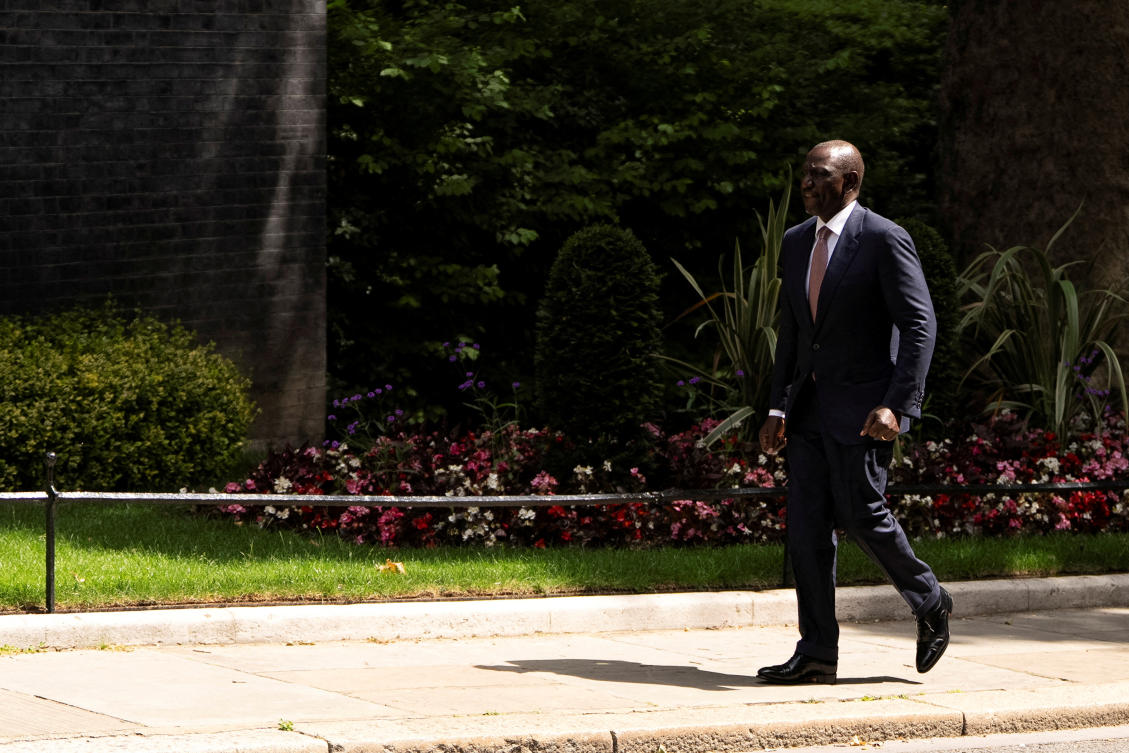

NAIROBI — Rigathi Gachagua, the deputy president William Ruto sacked in a dramatic impeachment, has retreated into seclusion to attempt the one thing that could cost Kenya’s leader a second term: welding a fractured opposition into a single challenger for 2027.
Gachagua announced a 45-day withdrawal from the rally circuit to his rural home at Wamunyoro, in the Mount Kenya heartland, where he said he would spend the time in consultations aimed at uniting Ruto’s rivals behind one presidential candidate rather than the crowded field that has split the opposition vote before.
The arithmetic he is chasing is daunting and specific. Gachagua has spoken of mobilising millions of Kenyans, courting the allies of former president Uhuru Kenyatta and opposition veterans such as Kalonzo Musyoka, to deny Ruto the broad coalition that carried him to power in 2022.
At the centre of the fight is Mount Kenya, the populous central region that delivered Ruto his winning margin three years ago and has since turned sharply against him. Activists have branded it a one-term zone, a slogan, Wantam, that has become shorthand for the campaign to make Ruto a single-term president.
Ruto is not conceding the ground. You do not carry Mount Kenya votes in your pocket, he told a rally in the region, dismissing Gachagua’s claim to speak for it and vowing to double his own tally in 2027 rather than cede the heartland to the man he removed.

The bad blood is personal. Gachagua was Ruto’s running mate and deputy until October 2024, when allies of the president engineered his impeachment, the first removal of a sitting deputy president in Kenya’s history, on charges he dismissed as a political purge. He has campaigned against the government ever since.
He is pushing into open ground. Ruto’s standing never recovered from the youth-led protests of 2024, when demonstrations against a tax-raising finance bill turned deadly, parliament was stormed, and the president was forced to withdraw the legislation and reshuffle his cabinet.
The grievances have not gone away. In recent weeks Ruto’s government has faced fresh unrest, including deadly protests over a US quarantine camp his administration agreed to host, a decision Kenyan courts have tried to block and that has handed the opposition another rallying cry.
Whether Gachagua can convert that anger into a single ticket is far from certain. Kenyan opposition coalitions have a long record of fracturing over who leads them, and Ruto’s party retains the machinery of incumbency, the state resources and the patronage networks that have decided past elections.
There is also the question of Gachagua himself. To his supporters he is the man who can return Mount Kenya to the opposition; to his critics he is a recently sacked insider repackaging a grievance as a movement, and the unity he preaches will demand that he, too, accept the possibility of stepping aside.
The vote is still more than a year away, set for August 2027, and Kenyan politics rarely holds its shape for that long. But by going quiet now to do the arithmetic of unity, Gachagua has signalled that the contest for Ruto’s second term has already begun, and that it will be fought first over who gets to carry the opposition’s banner.
Related Posts