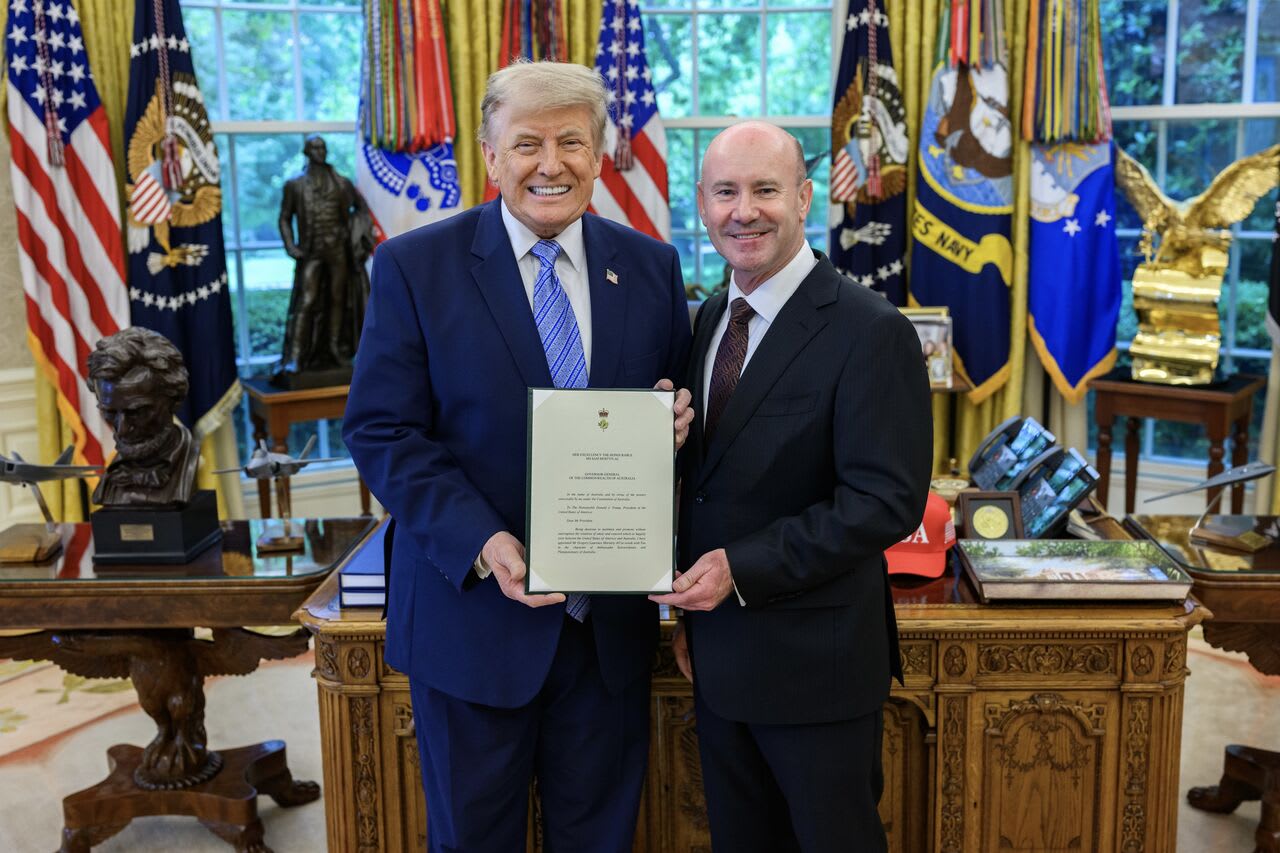

WASHINGTON — Greg Moriarty spent nine years running Australia’s Defence Department before he became the country’s voice in Washington. His first task in the new posting is a delicate one: to convince Australians that the United States, under a president who has spent the year reordering America’s alliances, still stands behind the most expensive defence undertaking in their nation’s history.
This week he offered that assurance. The Trump administration was “very committed” to AUKUS, the ambassador said, and the president regarded Prime Minister Anthony Albanese as a “good friend,” Sky News Australia reported. He had arrived in the role intending to press two causes at once, the ABC reported: the submarine pact, and the tariffs that still sit between the two economies.
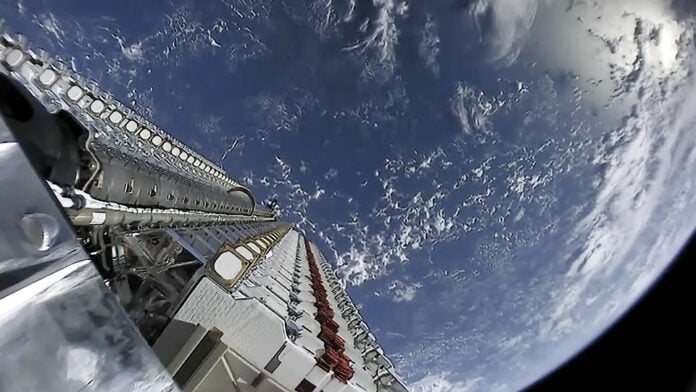
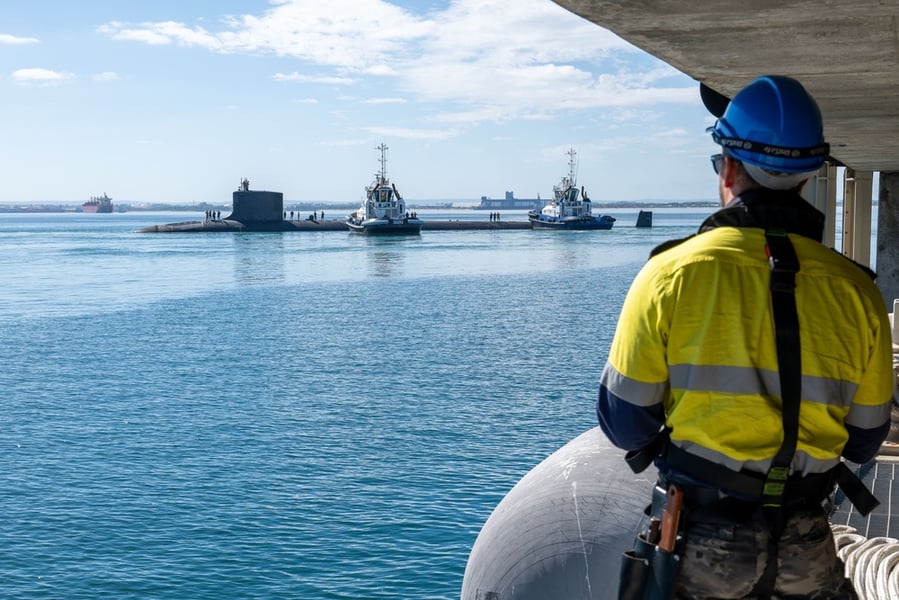
The reassurance matters because the doubt is no longer confined to the usual quarters. AUKUS now carries an estimated price of 368 billion Australian dollars, and the version Canberra is buying has narrowed since the pact was signed. The plan is now built around three second-hand Virginia-class submarines drawn from existing United States Navy stock, rather than the larger fleet of up to five boats that Al Jazeera reported Australia once expected. What began as a generational industrial project has turned, for a growing number of Australians, into a question about how much of their security they are willing to place in Washington’s hands.
That unease runs through Albanese’s own side of politics. Peter Garrett, the former Labor environment minister and Midnight Oil frontman, is leading an independent civil society inquiry into the deal, and divisions over the revised terms have not closed inside the Labor caucus. The Greens have gone further, warning that the arrangement turns Australia into Washington’s strategic dependent in any future war with China. Albanese’s answer has not changed. The deal, he says, is full steam ahead.
The tariffs Moriarty says he will raise are the more immediate grievance. The United States has kept duties on Australian steel and aluminium that Canberra has spent more than a year trying to soften, an awkward backdrop for an alliance Australian officials describe as their closest. An ambassador arriving to vouch for a partner’s commitment while also asking it to drop tariffs is making two arguments that do not sit easily together, and the tension between them is the real measure of the relationship he has inherited.
The case for continuity is real. Moriarty’s predecessor, Kevin Rudd, secured bipartisan Congressional legislation authorising AUKUS and won endorsement from both the Biden and Trump administrations before leaving in March to lead the Asia Society. Announcing the posting in January, Albanese called Moriarty “uniquely experienced to take forward the Australia-US alliance,” a nod to the years he spent helping build AUKUS as the Defence Department official responsible for it. Few diplomats arrive in Washington knowing a single agreement as intimately.
What the ambassador cannot supply is certainty about the man at the other end. Donald Trump has spent his second term treating allied commitments as things to be priced, tying support to defence spending and trade concessions and revisiting arrangements his predecessors considered settled. Whether AUKUS is insulated from that approach is precisely the question Moriarty’s reassurance is meant to put to rest, and it is the one piece of the matter that lies beyond his control.
For Albanese, the timing is unhelpful. A government already managing a restive electorate at home is being asked to defend a multi-decade wager on American reliability at the same moment that reliability is hardest to read. The opposition presses him to show the alliance is delivering; his own backbench and the crossbench press him to show it is worth the cost. Moriarty’s words in Washington are aimed at both audiences, and they will satisfy neither for long.
The submarines themselves are years away. By the time the first Virginia-class boat changes hands, the administration now described as “very committed” may no longer be in office, and the leaders vouching for one another may have moved on. Moriarty’s task is to keep faith in a bargain whose payoff arrives long after the terms of every politician currently defending it have run out.