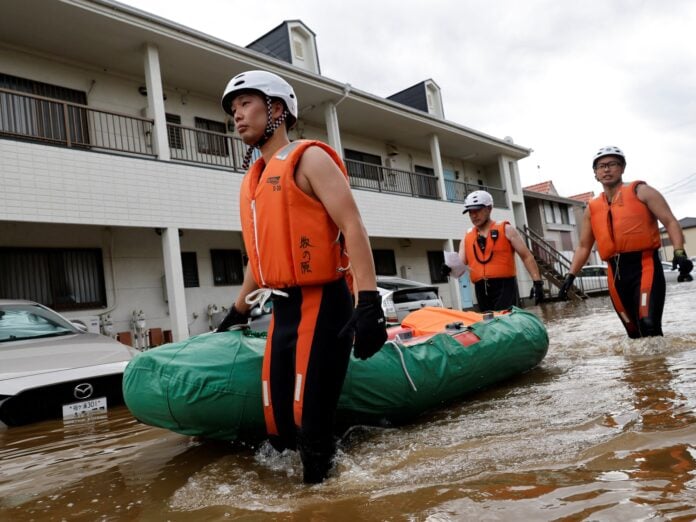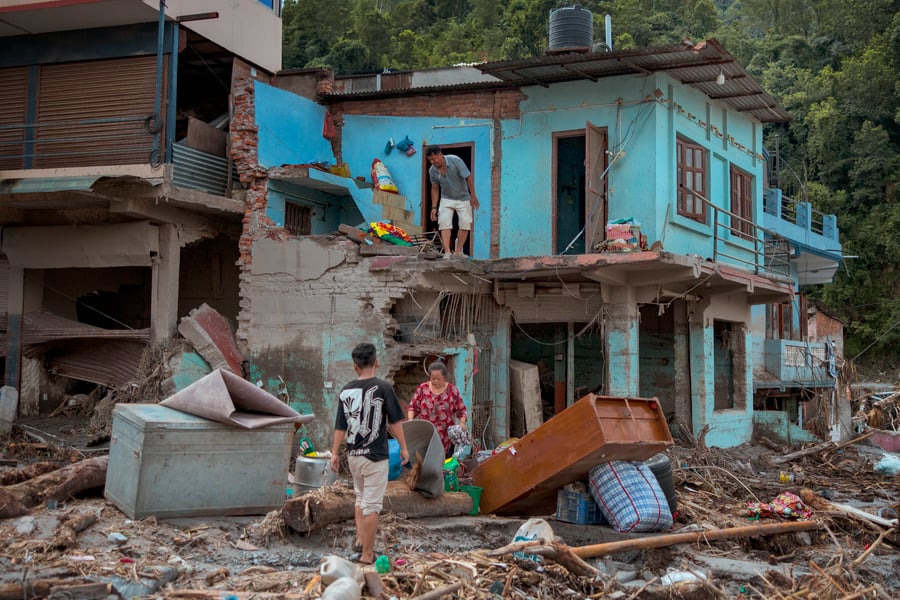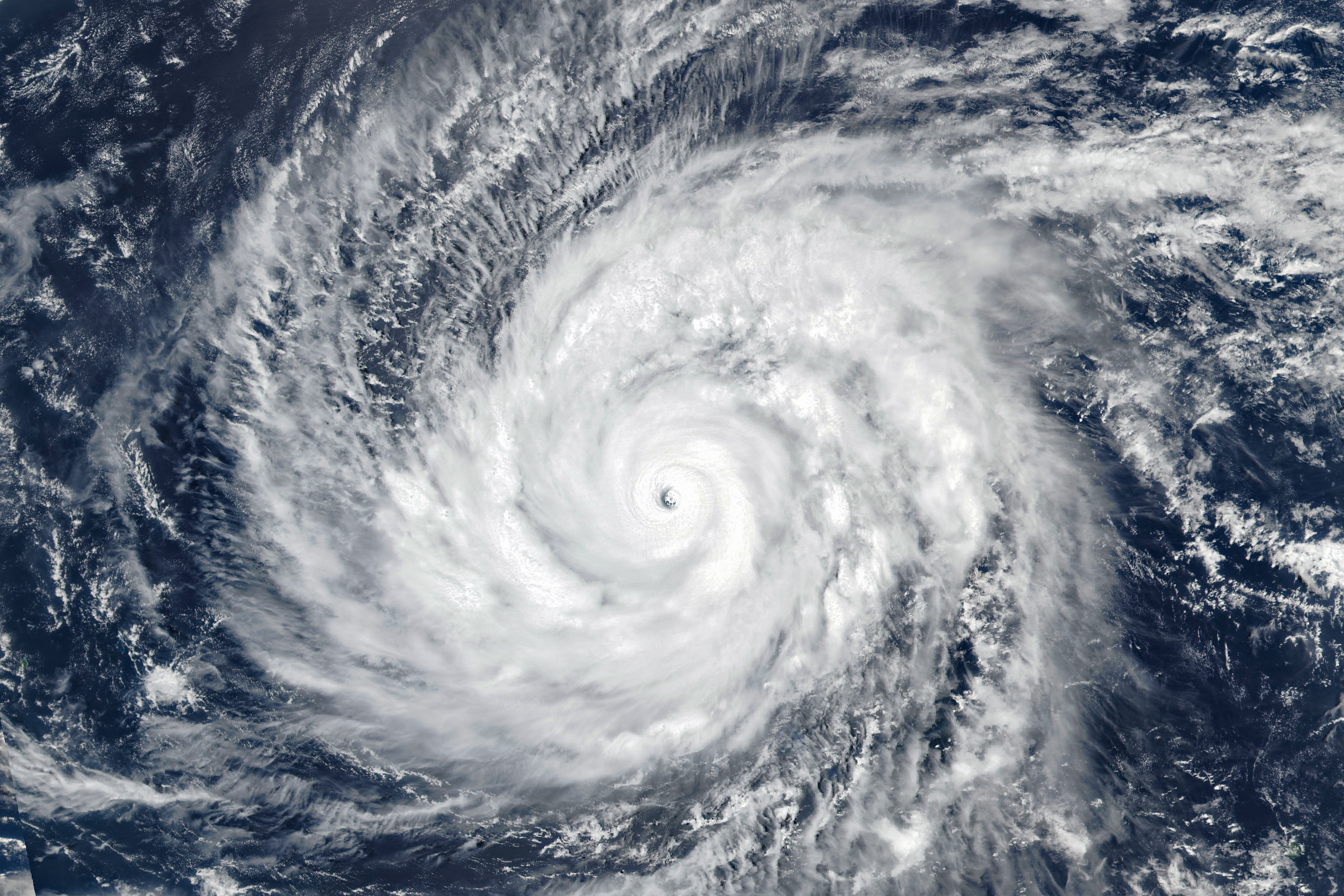

SAIPAN, Northern Mariana Islands — Two months after Super Typhoon Sinlaku came ashore here as the strongest storm anywhere on Earth in 2026, the recovery has not finished. More than 9,000 residents of the Commonwealth of the Northern Mariana Islands had filed federal disaster-assistance applications by late May, the Federal Emergency Management Agency told Mongabay’s Anita Hofschneider in a report this week. Across the Federated States of Micronesia to the south, where the storm tore through Chuuk and Yap on its way west, more than 7,000 homes were destroyed or severely damaged and over 13,000 people displaced. Many of them are still under blue emergency tarps.
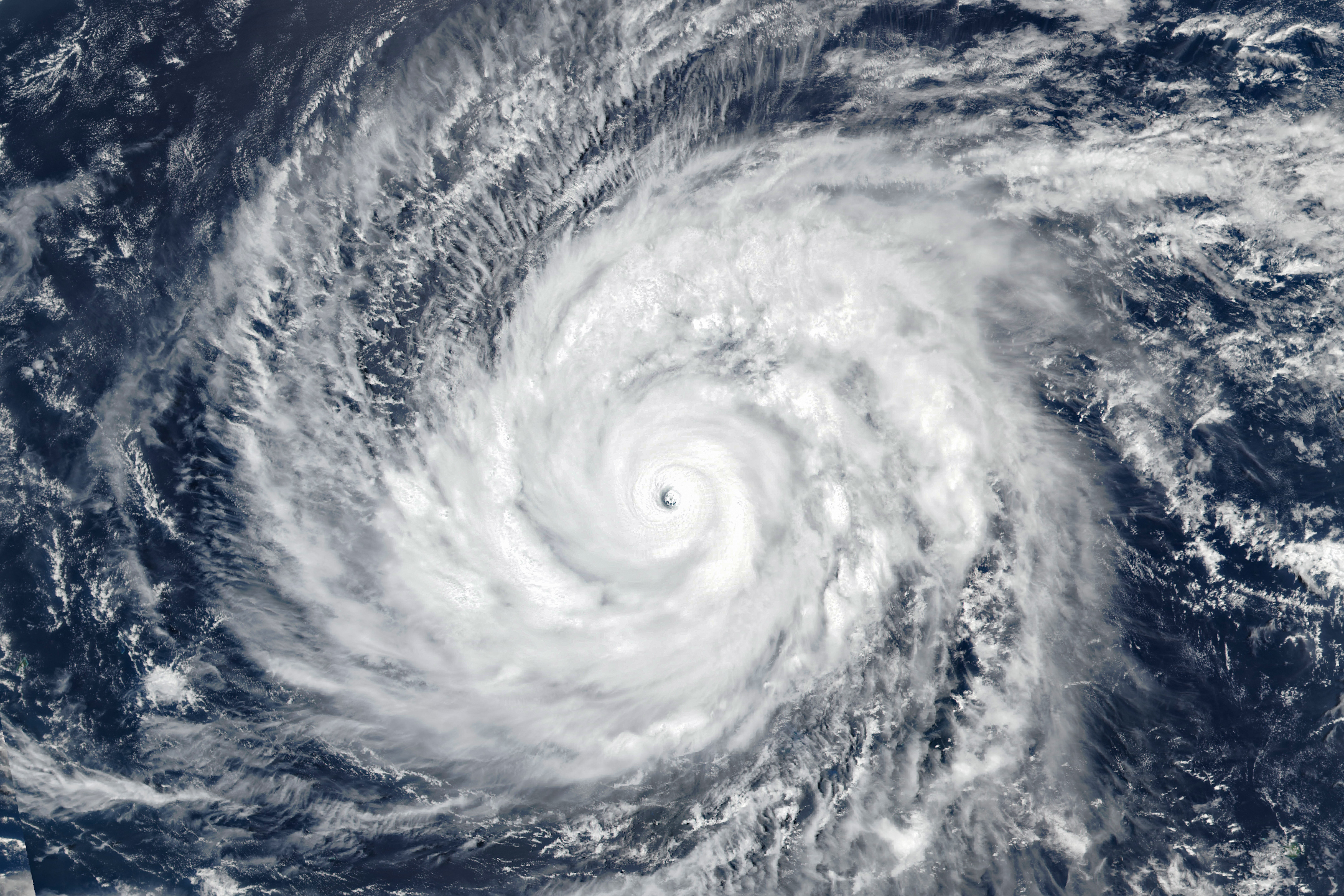
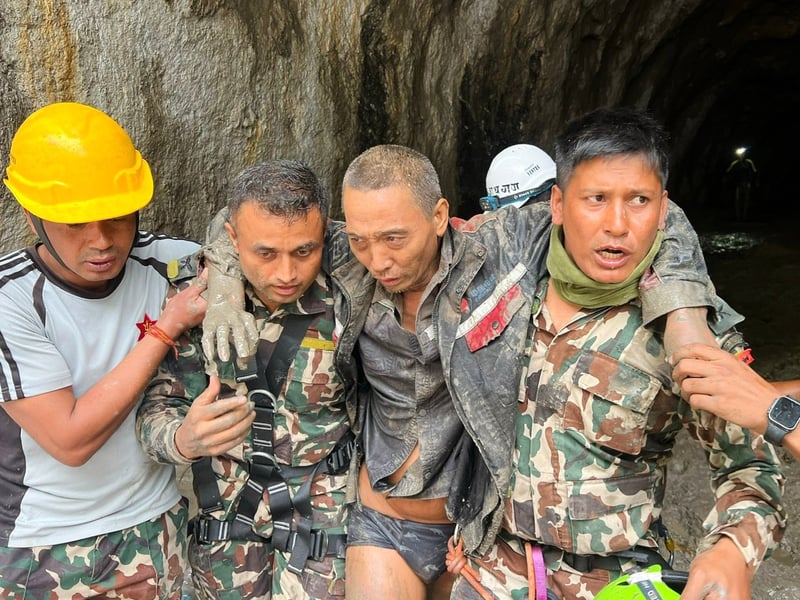
Sinlaku is the storm climate scientists had been warning about for several years and pretending they were ready for. It strengthened by 120 kilometres per hour in the twenty-four hours before landfall — an event class meteorologists call rapid intensification — and reached peak winds of 298 kilometres per hour, or 185 miles per hour. By the Saffir-Simpson scale that hurricane officials in the United States use, that is a high-end Category 5. By the Japan Meteorological Agency’s separate scale, which most Western Pacific governments use, it is a violent typhoon, the highest category the system contains. Seventeen people died across Guam, the CNMI and Micronesia, the deadliest storm in the region in more than two decades.
“At the beginning, it was OK,” Katelynn Delos Reyes, a Chamorro resident of Saipan, told Mongabay. “But later on it wasn’t.” Her recovery, she said, has been a matter of “one day at a time.” Pacific Islanders in Saipan and Tinian endured island-wide blackouts that ran for weeks, more than twenty inches of rain over thirty-six hours and a storm surge that washed out coastal roads in both islands. In Chuuk and Yap, where most of the housing stock is single-storey concrete and thatch, the destruction was more total. The Federated States of Micronesia is a sovereign nation but maintains a Compact of Free Association with Washington under which the United States is the responsible disaster-response government. The federal response has, by both Hofschneider’s reporting and the Micronesian government’s own characterisation, been thinner than the scale of the damage required.
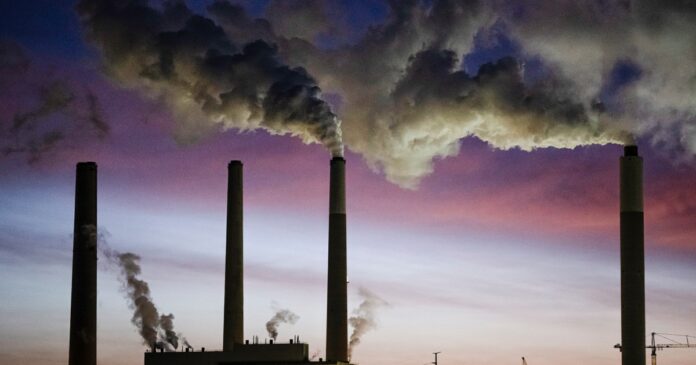
The climate signal in Sinlaku is not subtle. Shel Winkley, a meteorologist who studies tropical cyclones, summarised the field’s reading for the report. “In general,” he said, “climate change is making events like this more intense at their peak intensity.” The published World Weather Attribution analysis for the storm, released in May, found that the sea-surface temperatures Sinlaku drew its energy from were approximately 1.2 degrees Celsius warmer than the pre-industrial baseline and that the rapid intensification window was made about three times more likely by the warming the planet had already absorbed.

What the political response to Sinlaku has not done is acknowledge that intensification or build for the next one. The CNMI has been a U.S. territory since 1986 and is administered, for federal purposes, alongside Guam and American Sa´moa. All three administrations have, in the past sixty days, been told their share of climate-adaptation funding from the National Oceanic and Atmospheric Administration is being cut as part of the Trump administration’s wider budget. The 9,000 disaster-assistance applications that the Mongabay report documented are being processed by a FEMA whose Pacific regional staffing has been reduced. The Compact-of-Free-Association states — Micronesia, the Marshall Islands and Palau — have no electoral voice in those decisions at all.
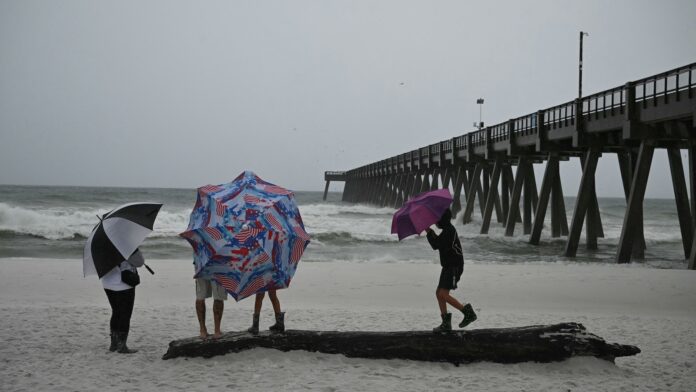
The diplomatic context lands the same week. On Thursday, the Trump administration opened more than 530,000 square miles of Pacific marine national monuments to industrial fishing, including the Mariana Trench monument that wraps the islands of Guam and the CNMI. On Wednesday, NOAA’s National Weather Service officially declared a strengthening El Niño with a 63 percent probability of becoming a very strong event by winter. Super El Niño seasons typically push the Western Pacific into above-average typhoon activity at the same time that they suppress Atlantic hurricane formation. The same islands that have not finished cleaning up after Sinlaku are about to enter another season with a warmer underlying ocean.
The recovery effort itself has had to be Pacific-driven. The Micronesian Red Cross, the Marianas Visitors Authority and a network of village-level disaster committees have done most of the in-island work, supported by the Pacific Disaster Center in Hawaii and the regional disaster-management arm of the U.S. military in Guam. CNMI Governor Arnold Palacios has appealed to Congress for an emergency supplemental appropriation. As of Friday, no bill had been introduced.
The cost-of-living arithmetic that Pacific Islander families now run looks different from the U.S. continental average. The CNMI has roughly 51,000 residents. The Federated States of Micronesia has about 105,000. A FEMA bureaucracy designed around continental damages of hundreds of thousands of homes is being asked to process a disaster scaled to a small-island population in which seven percent of CNMI households filed an assistance claim. The denominator and the numerator are not aligned.
Pacific Islander leadership has been clear for two decades about what comes next. The Pacific Islands Forum’s 2050 Strategy for the Blue Pacific Continent, ratified in 2022, asked wealthy emitters to pay climate-adaptation costs proportional to their cumulative emissions; the Loss and Damage Fund negotiated at COP27 was meant to start the answer. Kenya this week became the first African country to draw on the Santiago Network, the fund’s technical-assistance mechanism. No Pacific Islander state has yet drawn from it. The CNMI, as a U.S. territory, is not eligible. The Federated States of Micronesia, as an independent state, technically is.
For Delos Reyes and the people queueing outside Saipan’s federal disaster-assistance office on Friday, the conversation about cumulative emissions is happening at a distance from the tarp. “One day at a time,” she said. The phrase, in Chamorro and in English, has done a lot of work in the Western Pacific since April 14. It is likely to do more.