
HONOLULU — The Trump administration opened more than half a million square miles of the Pacific Ocean to industrial fishing on Thursday, signing an executive order that strips commercial-fishing prohibitions from the three largest marine national monuments under U.S. jurisdiction: the Papahānaumokuākea Marine National Monument off Hawaii, the Mariana Trench Marine National Monument off Guam and the Commonwealth of the Northern Mariana Islands, and the Rose Atoll Marine National Monument off American Sāmoa. The order, reported by Jennifer Yachnin for E&E News’ Greenwire, removes protections that had been put in place by the George W. Bush and Barack Obama administrations and reaffirmed by every president since.
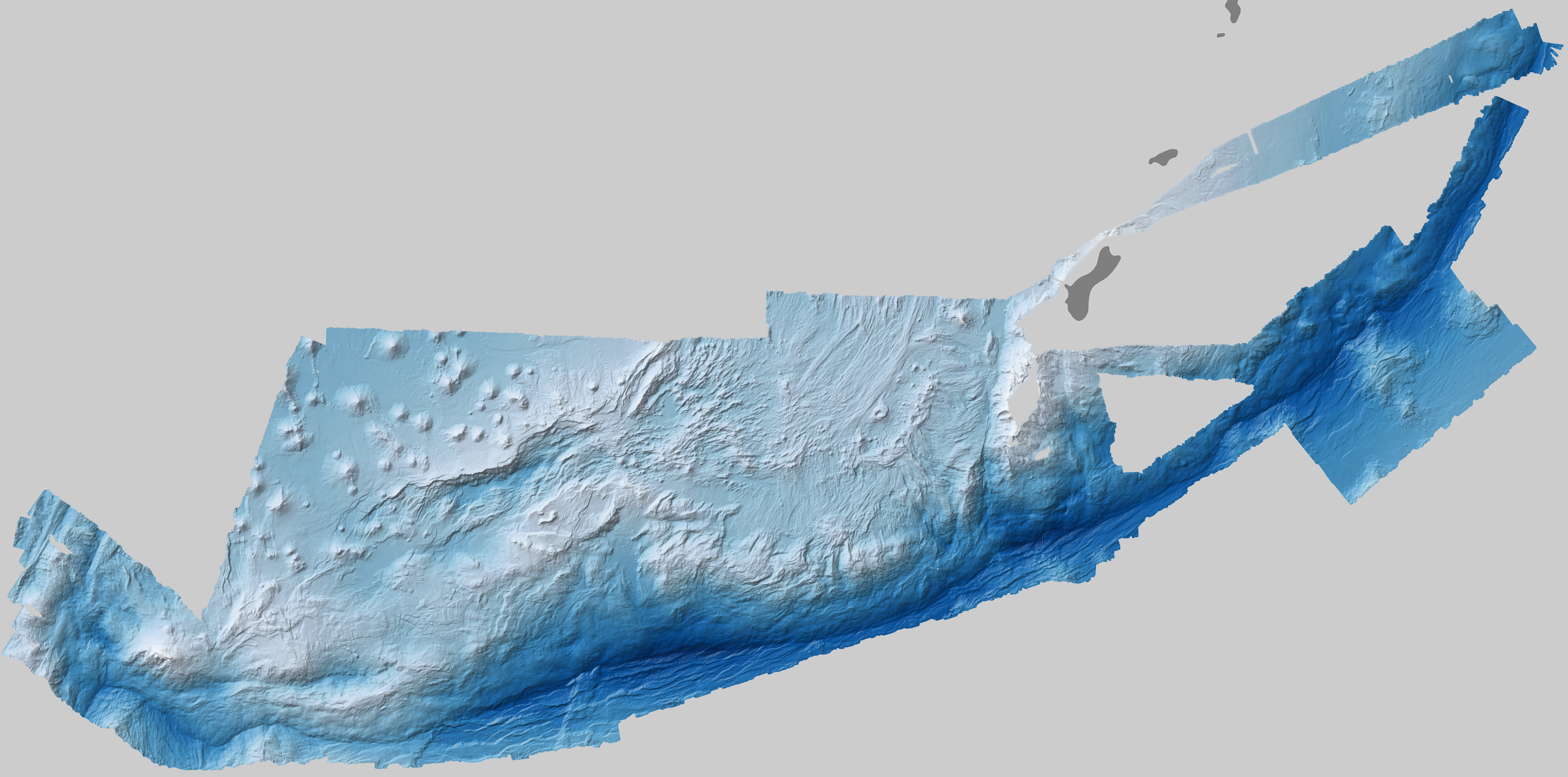
Together, the three monuments enclose roughly 530,000 square miles of ocean. Papahānaumokuākea alone, designated in 2006 and expanded in 2016, covers 582,578 square miles of the Northwestern Hawaiian Islands, a chain of ten low atolls and seamounts that hosts the largest assemblage of Hawaiian monk seals, the world’s last nesting population of the Laysan duck and reef communities that took ten million years to assemble. The Mariana Trench monument, designated in 2009, encloses the deepest point in any ocean and the volcanic arc that produced the islands of Guam and the CNMI. Rose Atoll, the smallest of the three, is a Sa´moan refuge for green sea turtles and a half-dozen species of ground-nesting seabird.

Thursday’s order is the third Pacific monument rollback of the second Trump administration. In April 2025, the White House opened roughly 400,000 square miles of the Pacific Islands Heritage Marine National Monument to commercial fishing. In February 2026, the same executive authority was used to open the Northeast Canyons and Seamounts Marine National Monument in the Atlantic. Roughly nine hundred thousand square miles of U.S. ocean that was protected at the start of the administration has, in fourteen months, been opened.
Neil Jacobs, the NOAA administrator appointed by President Trump, framed the move as commercial. “Restoring commercial fishing access to these vital areas reflects the continued commitment of this Administration to American fisheries,” he said in a statement accompanying the order. American Sa´moan tuna interests, Hawaiian longline operators and a small group of Pacific Northwest fishing companies had lobbied for the change since 2017.
The conservation response was immediate. Brad Sewell, the senior director of the Natural Resources Defense Council’s oceans program, said the monuments host “ancient corals, endangered sea turtles, majestic whales and so much more,” and that opening them would put protected species inside the reach of nets and longlines that the monument designations had been written specifically to keep out. David Henkin, an attorney at Earthjustice in Honolulu who has litigated previous monument rollbacks, said the move was “disastrous for the environment” and that the legal foundations of the original designations would form the basis of an immediate challenge. Earthjustice has won three of the four prior monument rollback lawsuits it has brought.
Representative Jared Huffman, the senior California Democrat on the House Natural Resources Committee, was sharper. “Again and again,” he said, “Trump has broken the law to exploit our oceans, whether it’s to drill, kill offshore wind, or use American fishermen as pawns in his political games.” The constitutional argument runs on whether the Antiquities Act, which Theodore Roosevelt signed in 1906 and under which most marine monuments were proclaimed, permits a successor president to unilaterally rescind a designation. Federal courts in Hawaii and the District of Columbia have read the statute narrowly. The Supreme Court has not yet ruled.

Pacific Islander leadership condemned the order in unusually unified terms. The Office of Hawaiian Affairs, the State of Hawaii, the governors of Guam and the CNMI, and the American Sa´moan congressional delegation have all opposed prior monument rollbacks. Papahānaumokuākea is also a UNESCO World Heritage site and, for Native Hawaiians, a place of cultural and ancestral importance independent of the Western conservation argument. The monument’s name itself, granted by Hawaiian elders to the original presidential proclamation, refers to a Native Hawaiian creation story.
The climate stakes are layered. Marine protected areas serve as carbon sinks: deep-sea sediments inside the Mariana monument hold an estimated 760 million tonnes of long-buried organic carbon that bottom trawling would resuspend into the water column over years. The reef systems of Papahānaumokuākea, the only place in the Hawaiian archipelago that has not had a full mass-bleaching event since 2020, function as a thermal refuge during marine heatwave seasons. NOAA’s own declaration this week that a very strong El Niño is now likely means the Pacific’s coral refuges are about to come under the kind of thermal stress that the monument’s regulatory closure had been specifically designed to buffer.
The Thursday order also lands in the middle of a Pacific diplomatic week. On Monday, Mombasa will host the 11th Our Ocean Conference, the first time the global ocean summit has been held on African soil. Pacific Islander delegations to that conference, several of which have spent the last decade pushing for stronger marine protected area coverage, will now arrive having watched the world’s largest ocean reserve manager unilaterally roll back a third of its protected area.
Earthjustice said it would file in the District of Hawaii within days. The Natural Resources Defense Council, the Center for Biological Diversity and the National Parks Conservation Association are expected to join. The monument’s commercial-fishing closure has now been rescinded twice in fifteen years and reinstated twice. Whether the third closure holds is, again, a question for the federal courts and, ultimately, for the Supreme Court. What is no longer in question is that the Pacific’s reef ecosystems are about to be tested by both a super El Niño and a set of nets that they have not had to face for almost two decades.