
LOS ANGELES – The lifestyle funded by illegal sports wagers included butlers, private jets, and Rolls-Royces. Federal prison, Mathew Bowyer told KNBC, the NBC affiliate in Los Angeles, served what he described as “dog food.” The contrast made him regret some choices. Not all of them.
Bowyer, 51, was released from a California federal prison after serving seven months of a 12-month sentence for running one of the largest illegal bookmaking operations in recent American history. In an exclusive interview broadcast by KNBC this week, he spoke publicly for the first time since his release, describing what prison cost him materially, what it may have cost him emotionally, and why he does not consider himself the only person who should have been held to account.
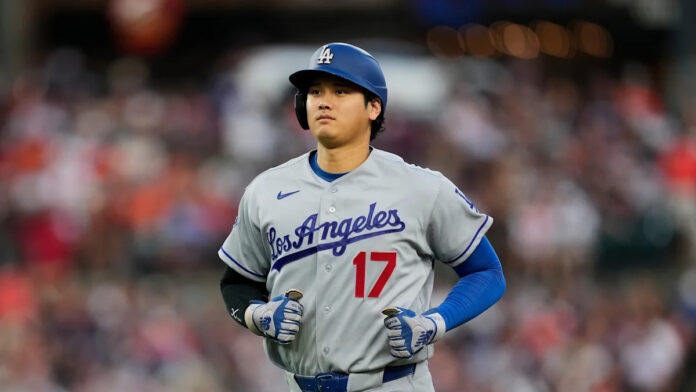
The case he refers to is now part of baseball’s institutional memory. One of Bowyer’s roughly 1,200 clients was Ippei Mizuhara, the former interpreter of Los Angeles Dodgers star Shohei Ohtani. Mizuhara made at least 19,000 wagers on sports events through Bowyer’s operation, lost nearly $41 million, and stole almost $17 million from Ohtani to cover what he owed. Mizuhara is currently serving a 57-month sentence at a federal prison in Pennsylvania. Bowyer is out.
In the KNBC interview, Bowyer narrated the prison-to-freedom contrast in vivid terms. “To go from butlers to private jets to Rolls-Royces, all these fancy things material-wise to all of a sudden you’re eating what I consider to be dog food,” he said. His regrets, he indicated, are selective. He described himself to interviewers as a “fall guy” for Las Vegas casinos that, in his account, processed cash moving through his network without properly examining its origins, an allegation without legal resolution. No casino has been charged in connection with his operation.
Bowyer ran the bookmaking enterprise for approximately 25 years. At its peak, his operation generated roughly $1 million a month. The Ohtani connection stayed invisible until March 2024, when ESPN began asking questions about millions of dollars in wire transfers from Ohtani’s bank account to Bowyer’s network. ESPN reported that the resulting investigation found Ohtani himself had no knowledge of the transfers. What it found instead was that Mizuhara had been feeding a gambling addiction through credit extended by Bowyer, running up losses he could not cover and debts he had no legal way to repay.
Mizuhara pleaded guilty to wire fraud and bank fraud. Sentencing in March 2025 produced 57 months. Ohtani was not charged. The legal gap between the two outcomes reflects a distinction the court drew between running an illegal wagering business and embezzling from an employer to pay for it. The man who stole is inside. The man who accepted the money is not.
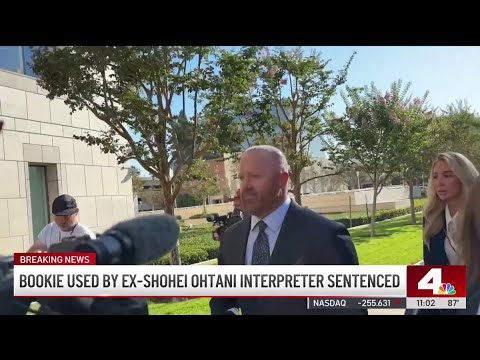
Bowyer learned while incarcerated that Nevada gaming regulators had moved against him in a different jurisdiction. In April, the Nevada Gaming Commission formally added his name to the state’s List of Excluded Persons, the watchlist that permanently bars individuals from entering any licensed casino in Nevada. He told KNBC that regulators visited him in prison to deliver the news. He cannot set foot on a Nevada casino floor for the rest of his life.
His probation conditions compound the restriction. Bowyer is prohibited from gambling for two years. He must attend weekly gambling addiction meetings. The financial liability extends further: he owes the Internal Revenue Service approximately $9 million in back taxes, penalties, and interest accumulated over his years of unreported bookmaking income. Before reporting to prison last fall, he published a memoir titled “Recalibrate,” which he described as an account of his career and life choices. He told KNBC he is now working on a sequel focused on the adjustment to life after incarceration.
His release arrives as Congress debates whether the legal sports betting industry, which has expanded into more than 35 states since the Supreme Court lifted the federal prohibition in 2018, is bearing enough of the cost of the addiction it generates. The bipartisan POINTS Act, introduced in early 2026, would redirect a portion of the existing federal excise tax on sports wagers to prevention, treatment, and recovery programs, generating an estimated $100 million annually for services. The bill has not advanced to a floor vote. Whether it does may depend partly on whether cases like Bowyer’s, and the 57-month sentence being served by his most prominent former client, sustain the political urgency that introduced it. The expansion of legal online casino markets into states like Maine is adding volume to that urgency: every new licensed platform creates a new population of bettors, some of whom will develop the kind of debt that drove Mizuhara to steal.
What Bowyer will do with the argument he is now pressing publicly, that the ecosystem sustained his operation through systemic failures that courts never fully examined, is not yet clear. He has a platform, a publishing deal, and opinions. Whether anyone in that ecosystem will respond, or whether regulators will open any proceeding connected to his claims, is among the things his first interview left entirely open.