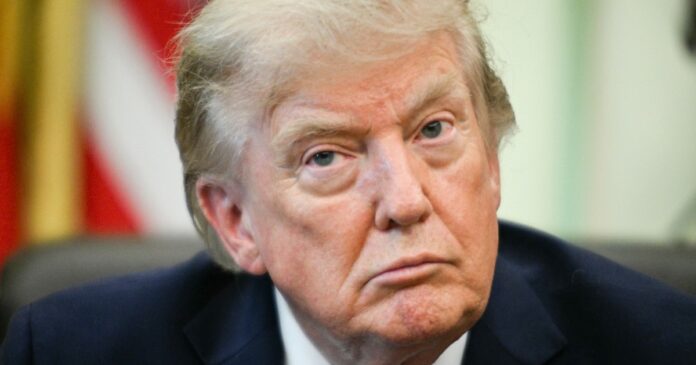

DOHA — The talks in Qatar ended Wednesday with a statement from mediators that “positive progress” had been made. President Donald Trump told reporters on the same day that “the denuclearization of Iran is moving along well.” On that same day, Iran and the United States did not meet at any level.
Those three things are all simultaneously true.
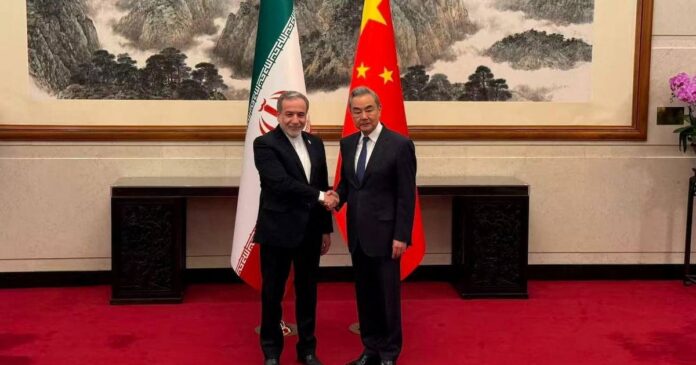
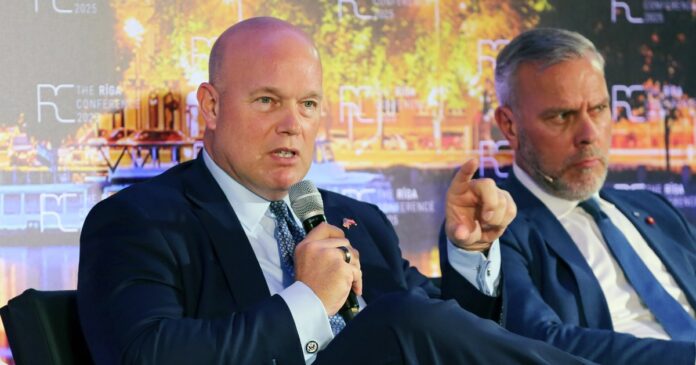
Steve Witkoff and Jared Kushner, the two US envoys who traveled to Qatar for the July 1 technical talks, spent the day meeting with Qatar’s prime minister, not with their Iranian counterparts. Tehran confirmed sending its own delegation to Doha but explicitly denied having agreed to meet American officials at any level. The discussions — covering implementation disputes under the memorandum of understanding signed June 17, the administration of the Strait of Hormuz, and the release of $6 billion in frozen Iranian funds — took place through Qatari and Pakistani intermediaries. Both delegations shuttled to the same venue. Neither entered the same room.
The gap between Trump’s language and the diplomatic architecture of those meetings matters because of what “denuclearization” would actually require. Before any enrichment suspension, dismantlement schedule, or verification protocol can begin, the International Atomic Energy Agency must have eyes on Iran’s nuclear program. It does not. IAEA inspectors have had no verified access to Iran’s nuclear sites since the June 2025 strikes. The agency formally stopped conducting verification activities in Iran in accordance with NPT safeguards requirements after February 28, 2026.
IAEA Director General Rafael Grossi, speaking at Japan’s National Press Club in Tokyo on June 26, was direct about what the June 17 MoU does and does not accomplish on its own. The agreement, he said, “says explicitly that the nuclear activities that are going to be carried out with regards to nuclear material facilities will be supervised by the IAEA, in all letters.” But supervision requires access. “Intentions are not enough,” he added. “We must verify everywhere.” The agency’s best current estimate — based on satellite imagery and pre-strike data — is that Iran holds approximately 440.9 kilograms of uranium enriched to 60 percent purity, just below weapons-grade. A further 453.6 kilograms is believed to be trapped under debris at Isfahan’s conversion facility, its current status unverified.
Iran’s Deputy Foreign Minister Kazem Gharibabadi has said that access to sites attacked in the June 2025 conflict will be examined “within the framework of a final agreement.” That phrasing is doing significant work: IAEA access is not a precondition for the current 60-day negotiating window — it is a subject for the comprehensive deal the window is supposed to produce. Tehran has also conditioned cooperation on Washington taking “practical action in terminating all sanctions.” The sanctions remain.
What Trump described on July 1 as “they’ve agreed to just about everything we need” was a characterization of talks in which Iran did not participate at a principal level, in which nuclear issues were not tackled “in an in-depth manner, if at all” according to analysts familiar with the discussions, and in which the one nuclear-related mechanism already in the MoU — IAEA supervision — is already being contested. Iran’s parliament has passed legislation blocking inspector access to facilities struck during the war. Grossi and Iran’s negotiators have been speaking past each other for two weeks. The IAEA says the MoU requires access now. Iran says access is a later-phase question.
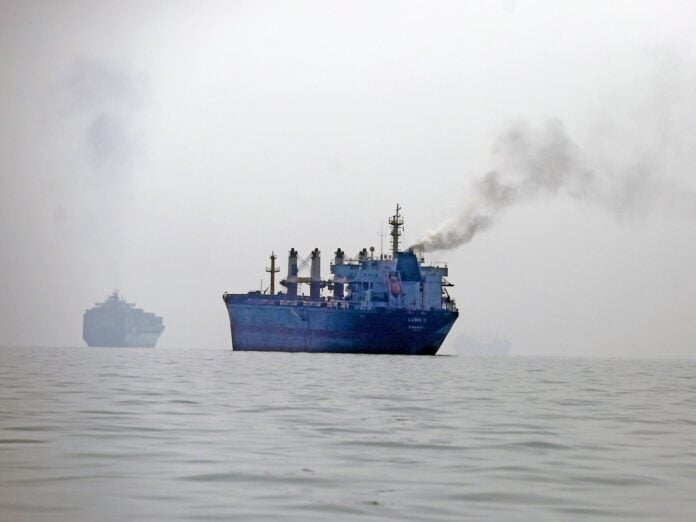
According to Al Jazeera’s account of the Doha outcomes, a communication channel was established between the two sides to flag future MoU compliance disputes — a structural mechanism designed to prevent each side from unilaterally declaring the other in breach. Iran also agreed that $6 billion in frozen funds would be used for goods based on Tehran’s stated needs. Commercial shipping through the Strait of Hormuz showed a 50 percent increase in vessel movements compared to the preceding week, suggesting partial normalization. What did not advance: Iranian nuclear access, inspection timelines, or any agreed-upon definition of what the two sides mean when they use the word “denuclearization.”
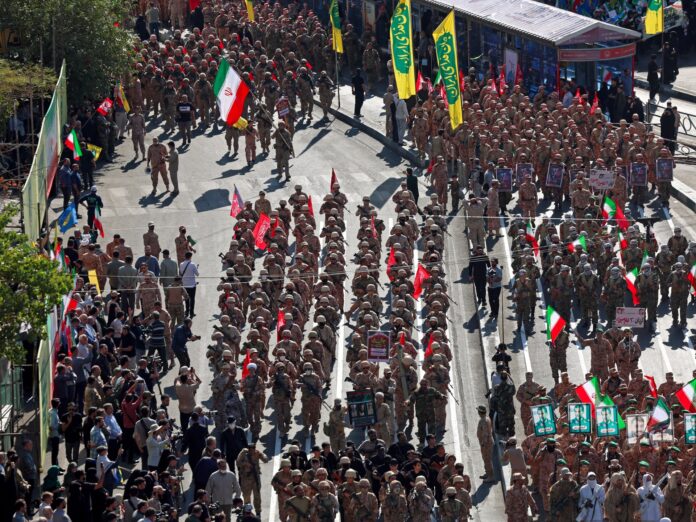
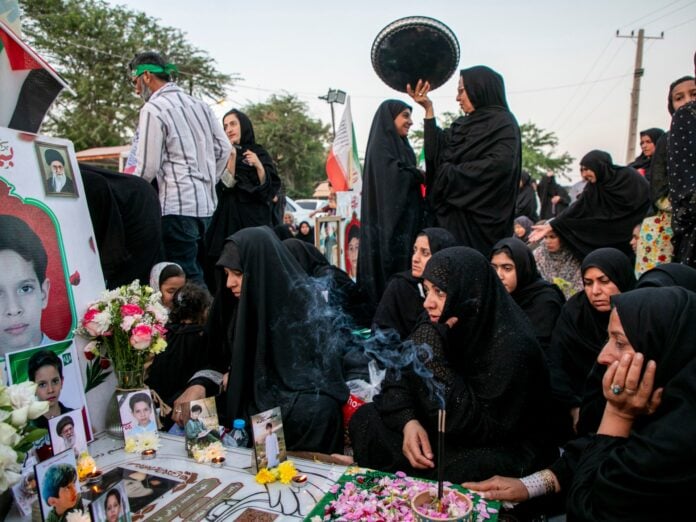
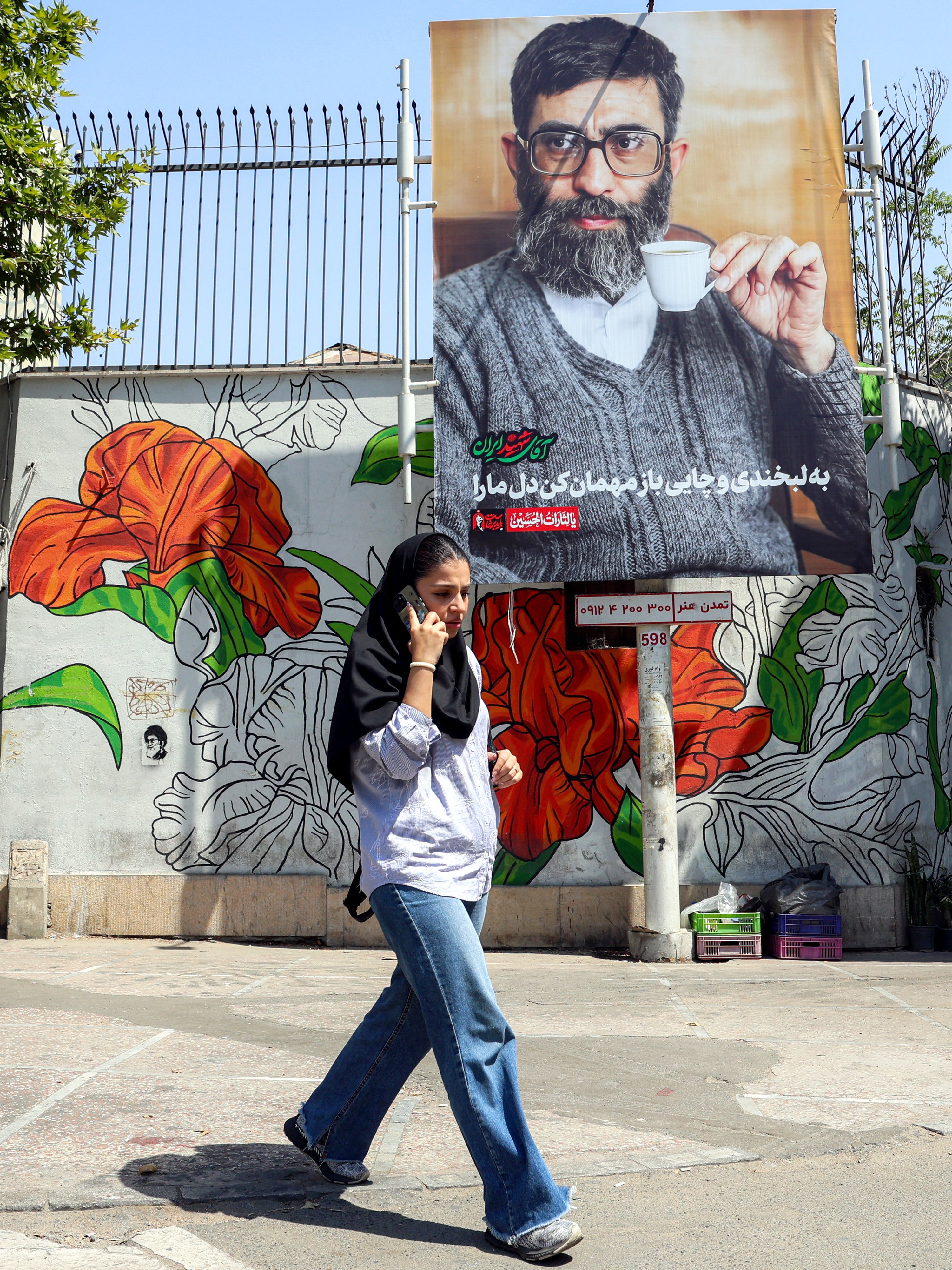
The talks are now paused. Iran has set July 4 through July 9 for the state funeral of Supreme Leader Ali Khamenei, who was killed in the opening hours of the US-Israeli strikes last June. The processions are expected to draw between 15 and 20 million mourners across Tehran, Qom, Mashhad, Najaf, and Karbala. Qatar and Pakistan announced that the next round of talks will be scheduled “at the earliest possible time” after the ceremonies conclude. Analysts say the 60-day window will likely require extension through mutual consent.
Complicating that calculus: Iran’s parliament has set a deadline of its own, demanding that Tehran assert toll authority over the Strait of Hormuz by mid-August — a position irreconcilable with the US argument that Iran “stands to gain much more from a nuclear deal than it could generate from tolls.” Vice President JD Vance, when asked Wednesday whether Washington could guarantee it would not return to military operations before the MoU deadline, said he could not. The $270 billion reparations framework that Iran is demanding and the “international investment fund” that Witkoff and Kushner have proposed as an alternative have not been formally tabled at Doha.
What is not known: whether the seven funeral days count against the 60-day negotiating clock or will be treated as an informal pause; what specific steps the United States considers a minimum condition for describing denuclearization as “moving along well” — suspension, declaration, or dismantlement; and whether Iran has made any commitment on nuclear access in the back channel that has not yet been publicly disclosed. The IAEA has asked. Tehran has not answered. The talks resume after July 9.