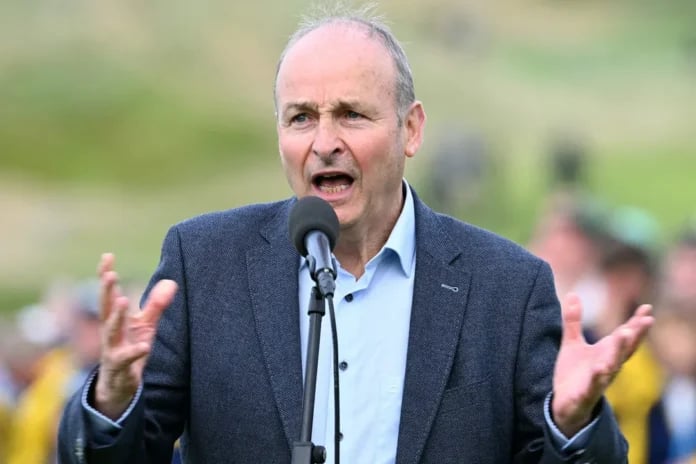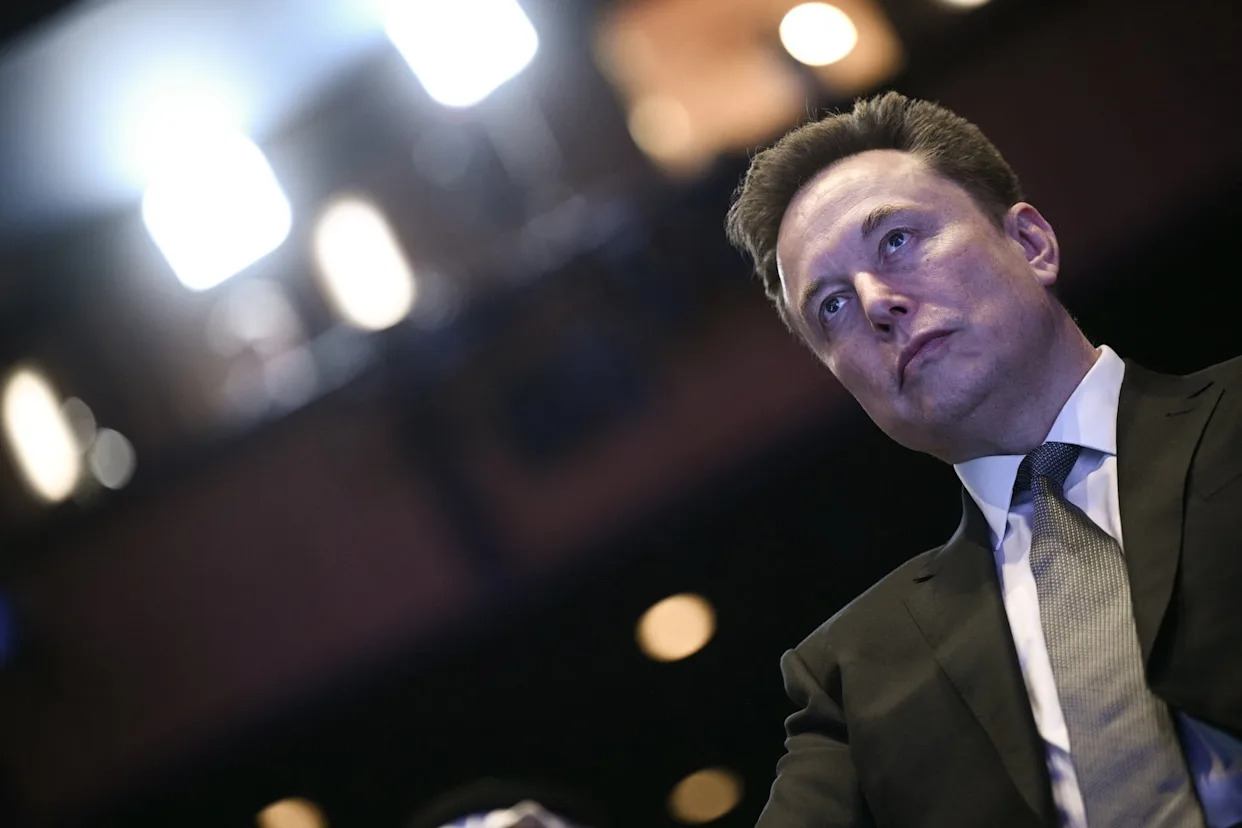

LONDON — The night before SpaceX began trading on the Nasdaq and Elon Musk became the world’s first trillionaire, Musk was reposting video of Rupert Lowe, the leader of the British far-right Restore Britain party, calling for the United Kingdom to deport migrants who cannot financially support themselves.
That was not unusual for those two weeks. In the period from May 31 to June 12, The Guardian analyzed Musk’s activity on X, the social media platform he owns, in the run-up to SpaceX’s initial public offering. He posted 303 times about race and immigration. He posted 114 times about SpaceX. Roughly 75 percent of those immigration posts were directed specifically at UK politics. The world’s most influential private citizen, on the verge of becoming the world’s first trillionaire, devoted the majority of his public communication to whether Britain was deporting migrants at a sufficient rate.
SpaceX raised $85.7 billion in the listing, exceeding its own $75 billion target. Musk’s X platform has approximately 240 million active users. The posts he published or amplified about UK immigration during those two weeks generated tens of millions of impressions. At least 20 of them individually exceeded 10 million views each.
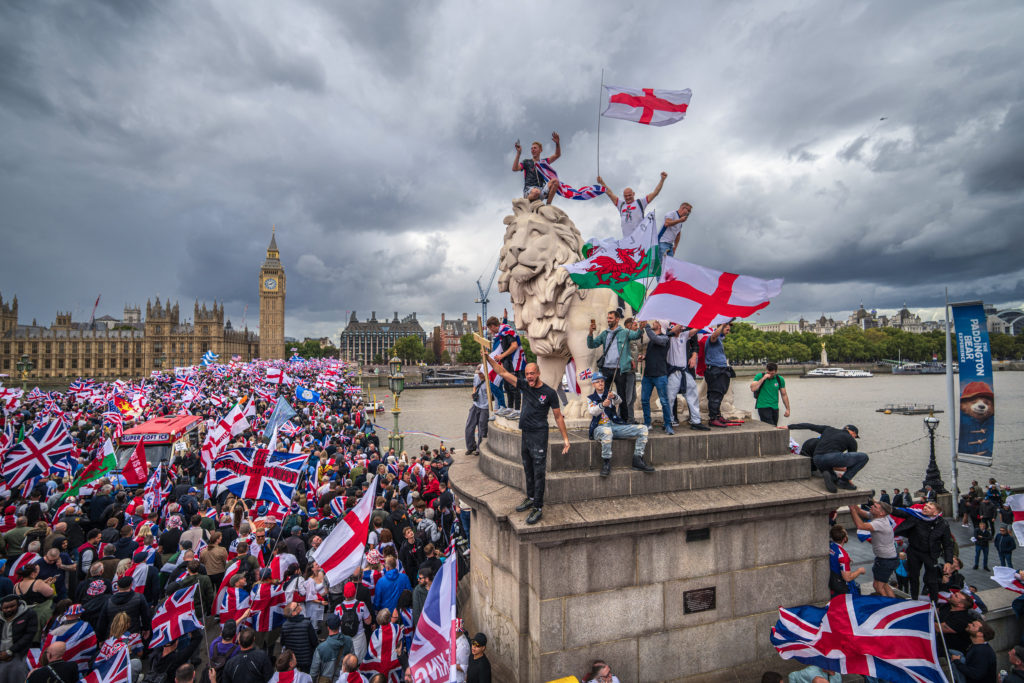
The scale of the amplification had concrete consequences. Musk directed approximately 64 million views toward content from Lowe and Tommy Robinson, the far-right activist, during the period The Guardian analyzed. In the week of the IPO, Musk amplified calls for anti-immigrant protests in Belfast following a stabbing and replied “This is the way” to a far-right politician’s pledge to prosecute immigration officials. Bloomberg reported that masked men subsequently rampaged through a Belfast neighborhood, burning cars and setting fire to homes. The Centre for Countering Digital Hate documented 240 calls for violence in replies to content Musk amplified after the attack.
Musk’s posting during the period was not narrowly tactical. Beyond Lowe and Robinson, he posted that “nothing else matters if civilization falls,” reflected publicly on whether multiculturalism had failed, reposted calls for mass deportations, and stated that “remigration is the only way.” These were not individual political comments. They constituted a sustained campaign of amplification directed at the UK political far right, from an account with no voting rights in British elections and no accountability under British campaign finance law.
Keir Starmer, then serving as Prime Minister before his resignation in late June, addressed Musk’s British interventions directly during this period. “Musk again has been interfering in our politics,” Starmer said, “trying to whip up division.” Andy Burnham, who assumed the prime ministership after Starmer’s departure, faces a government navigating significant fiscal pressures and has not indicated any legislative intent to address foreign political speech on social media platforms. British law does not currently regulate what a non-citizen says about British politics on a platform he owns.
The Restore Britain party, which Lowe leads, has positioned itself to the right of Reform UK on immigration, advocating for automatic deportation of migrants unable to meet a financial self-sufficiency test. The positions Lowe’s party holds align closely with what Musk has amplified. Whether that alignment reflects genuine ideological sympathy, a calculated effort to shape British politics toward a preferred outcome, or something more reflexive is not something Musk has explained. He has not offered a public account of why UK immigration policy commanded more of his social media output during those two weeks than his own company’s market debut.
Researchers at the Centre for Countering Digital Hate have described Musk’s posting habits as a structural accelerant for far-right movements that lack organic reach on their own. The mechanism is direct: a post that reaches thousands through Lowe’s or Robinson’s own follower base reaches tens of millions when Musk reposts it. The content does not change. The audience does. The political fragmentation now visible across the UK, with Scotland and Wales openly planning for a potential Westminster collapse, has unfolded in a media environment that Musk shapes directly through his platform and his posting choices.
The consequences of Musk’s posting during the two-week window The Guardian examined are not confined to online metrics. Belfast burned in that period. The nationalist sentiment building on British platforms, accelerated by amplification from Musk’s account, reached streets in a form that damaged property, displaced people, and required police response across Northern Ireland. Musk has not publicly commented on what followed his “This is the way” reply.
What The Guardian’s analysis makes concrete is a proportion question. In the two weeks before the most financially significant event of Musk’s career, when SpaceX’s market debut and his own trillionaire status were the central story of global business news, UK immigration policy occupied more of his public output than his own company did. What drives that priority has not been explained. What it produced, in Belfast and in the further mainstreaming of deportation as mainstream British political discourse, has been.