
LONDON — After 319 years of political union, three of the United Kingdom’s four nations are now governed by parties whose founding purpose is to end it. The planning for what comes next, once theoretical, has become operational.
The Guardian reported on Saturday that political leaders across Scotland and Wales have begun quietly mapping the constitutional steps that would follow a Reform UK victory at the next Westminster election, a scenario that current polling places as more likely than not by 2029. The plans are not identical, and their architects are careful to present them as contingency rather than ambition. But they exist, which is itself new.
The Scottish National Party, having won its fifth consecutive Holyrood election and come close to an outright majority in the Scottish Parliament, has committed to bringing forward a vote on its first sitting day in favor of a section 30 order, the constitutional mechanism that would grant Scotland the power to hold an independence referendum. The move mirrors the approach taken before the 2014 vote, which the SNP lost 55 to 45 percent, and signals that the party is prepared to use its legislative position as an immediate platform rather than waiting for Westminster’s permission.
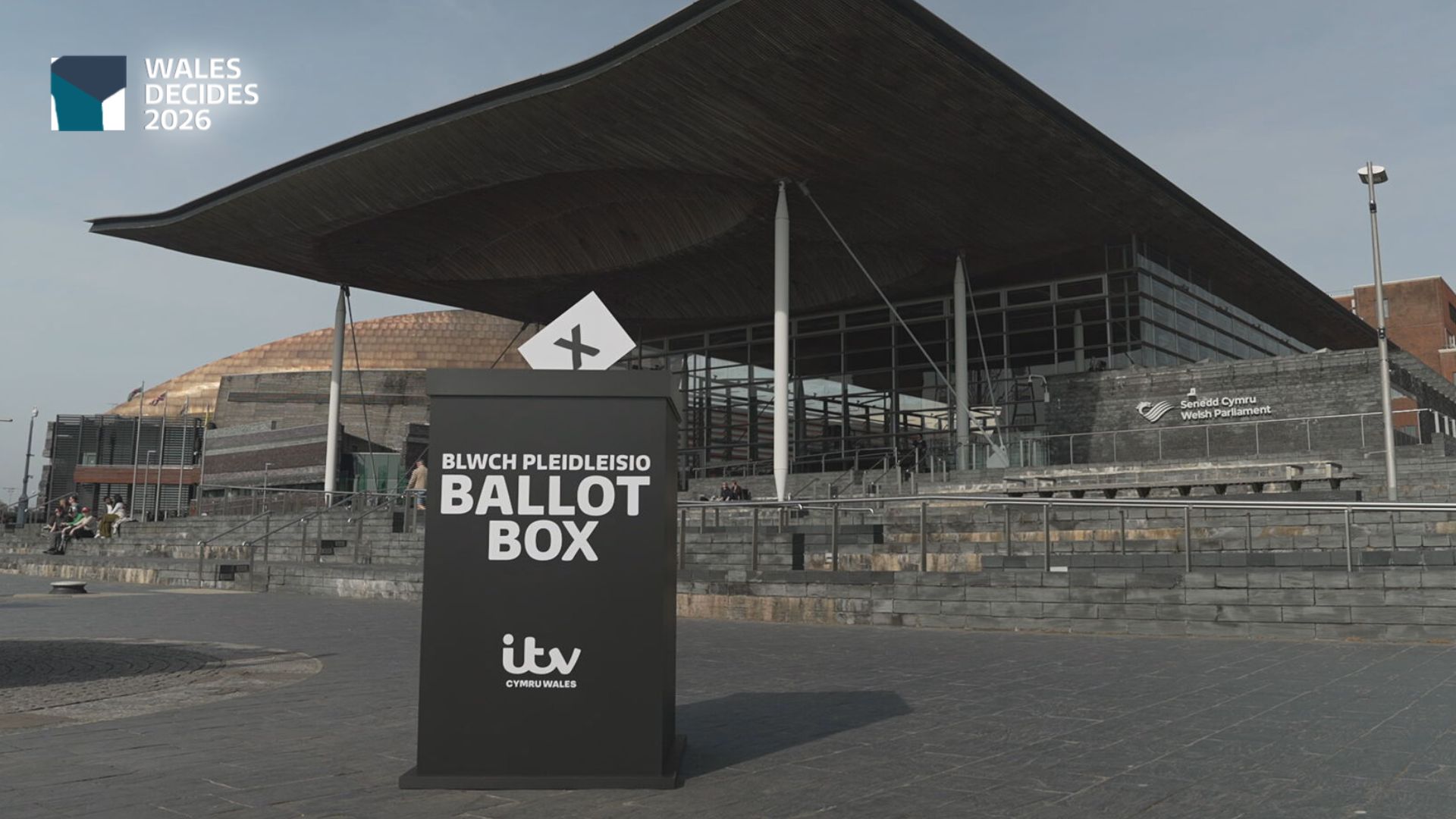
In Wales, Plaid Cymru emerged from the 2026 Senedd election as the largest party, the first time it has reached that position since Wales gained its assembly in 1999. Its approach to independence is more cautious than the SNP’s. Plaid’s leader has stated publicly that a referendum is not a first-term priority and that the party does not propose to hold an independence vote in its first Senedd term. What it is doing instead is preparatory: citizen engagement processes, commissioned research into currency and trade relationships, and analyses of which powers would need to transfer before viable statehood could be attempted.
The common thread connecting Edinburgh and Cardiff is Nigel Farage. SNP and Plaid politicians have both said explicitly that the prospect of a hard English nationalist administration in Downing Street, one unsympathetic to devolved autonomy and openly hostile to the cultural politics of Scotland and Wales, would concentrate minds on independence as few other scenarios could. Farage’s Reform UK, which polls suggest could win a Westminster election by 2029, represents precisely that administration.
The emergence of a Celtic Alliance between the two parties, and potentially Northern Ireland’s Sinn Fein, which already governs in Belfast, adds a dimension that Westminster has not previously had to manage. Rather than facing separate independence pressures from north and west simultaneously, London may soon face a coordinated constitutional front whose members share legal strategy, public communications, and legislative timing. The mechanics of that coordination are still being worked out. The appetite for it is real.
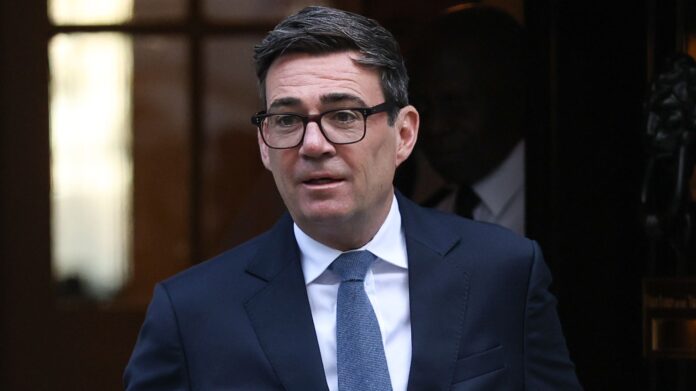
Andy Burnham, who became Prime Minister following Keir Starmer’s resignation in June, faces the largest constitutional reckoning of any incoming Labour leader in a generation. Burnham’s path to Downing Street was itself shaped by the same political geography that makes the Celtic alliance viable. His proposal to relocate part of Downing Street’s functions to Manchester, the No. 10 in the North agenda, is partly a response to the devolution pressures that have been building for years. A Labour government that can demonstrably shift power out of Whitehall may be the only offer capable of keeping the union intact through the 2029 electoral cycle.
The calculation from Edinburgh and Cardiff is that Burnham’s window is narrow. If he can deliver meaningful new powers to devolved authorities in the next two to three years, he may give Scottish and Welsh voters a credible alternative to independence. If he cannot, or if he tries and Westminster blocks him, the contingency planning now underway will have served its purpose.
The constitutional challenge is not merely political. Scotland generates roughly 8 percent of UK GDP while accounting for about 8 percent of its population, a balance that would make independence economically viable but not without disruption. Wales is more dependent on fiscal transfers from Whitehall, which complicates the Plaid Cymru argument significantly. The independence planning now underway in Cardiff is partly an exercise in determining what structural adjustments, in public spending, in trade relationships, in the question of a potential Welsh currency, would need to precede a vote rather than follow it.
Northern Ireland presents the most complex scenario of all. Sinn Fein governs in Belfast and has long held that Irish unification is an inevitable outcome rather than a distant prospect. The Good Friday Agreement’s mechanism for a border poll, triggered when the Secretary of State believes a majority in Northern Ireland would vote for unification, has never been tested at the moment when it might actually pass. Reform UK’s positioning on Northern Ireland, including Farage’s historical skepticism of the Agreement’s power-sharing arrangements, is precisely the kind of signal Sinn Fein has been watching for.
It has not gone unnoticed in Brussels and Washington that the United Kingdom, which spent the past decade redefining its relationship with Europe after Brexit, may now be at the beginning of a longer renegotiation of its own internal structure. The Irish Times noted in May that Westminster was already bracing for a coordinated Celtic nationalist challenge. What has changed since then is that three of those four nations are now actually governed by the parties that challenge it.
Burnham said last month that Britain’s greatest shift of power from Whitehall in modern times was possible. Whether that shift arrives before the union begins to unravel depends on whether the arithmetic in Edinburgh, Cardiff, and Belfast waits for him.