
LONDON – Nigel Farage resigned from parliament earlier this month declaring that the people of Clacton should be the judges of his actions. Thirty-four of them have since applied to stand against him.
The by-election, expected in August, has drawn a record field that surpasses the previous high of 26 candidates set during the 2008 Haltemprice and Howden contest, Euronews reported. That vote was also convened by a resigning MP seeking public vindication, and at the time it seemed an outlier in British electoral history. Clacton has moved past that mark before campaigning has properly started.
Farage stepped down after sustained media scrutiny of an undeclared £5 million donation to Reform UK, a sum the party did not disclose in its initial financial filings. He framed his resignation as a confrontation with the political establishment. “I want to stick two fingers up to the entire establishment,” he said, describing the contest as a bid for a personal mandate from the voters who returned him with 46.2 percent of the vote at the 2024 general election.
The four mainstream parties chose not to contest that mandate directly. Labour said Farage was “desperately trying to change the subject.” Conservative leader Kemi Badenoch accused him of “running away from scrutiny.” The Liberal Democrats and Greens also declined to stand. The decision to stay out of the race is a political calculation, not an obligation, and it says something about how each party assesses its chances in a constituency that voted for Farage by 28 percentage points.
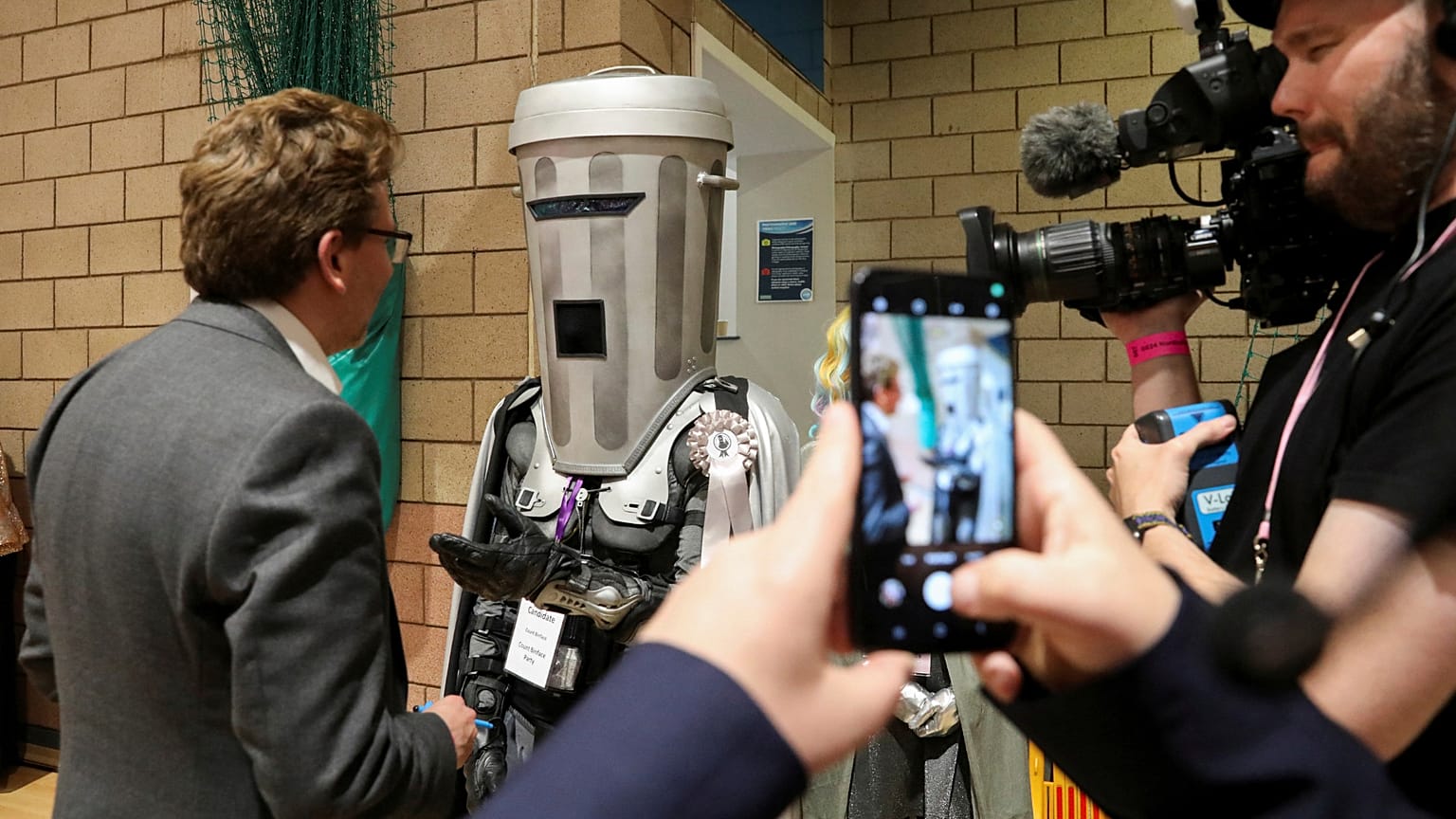
Among the 34 declared candidates are 20 independents, three from the Official Monster Raving Loony Party, Count Binface, and Laurence Fox, the leader of the Reclaim Party. Fox’s entry is among the more pointed contests within the field: his politics and Farage’s overlap substantially, and the essential difference is that Farage is the incumbent returning while Fox is a challenger from the same ideological territory.
The cost of the by-election to taxpayers will reach approximately £275,000. Reform UK offered to cover those costs. The Ministry of Housing rejected the offer, stating that election expenses must remain publicly funded to preserve electoral independence. The episode drew attention to a constitutional point that rarely surfaces in electoral politics: the public funding of an election called by one candidate’s deliberate resignation is not a mechanism that can be transferred to that candidate’s party.
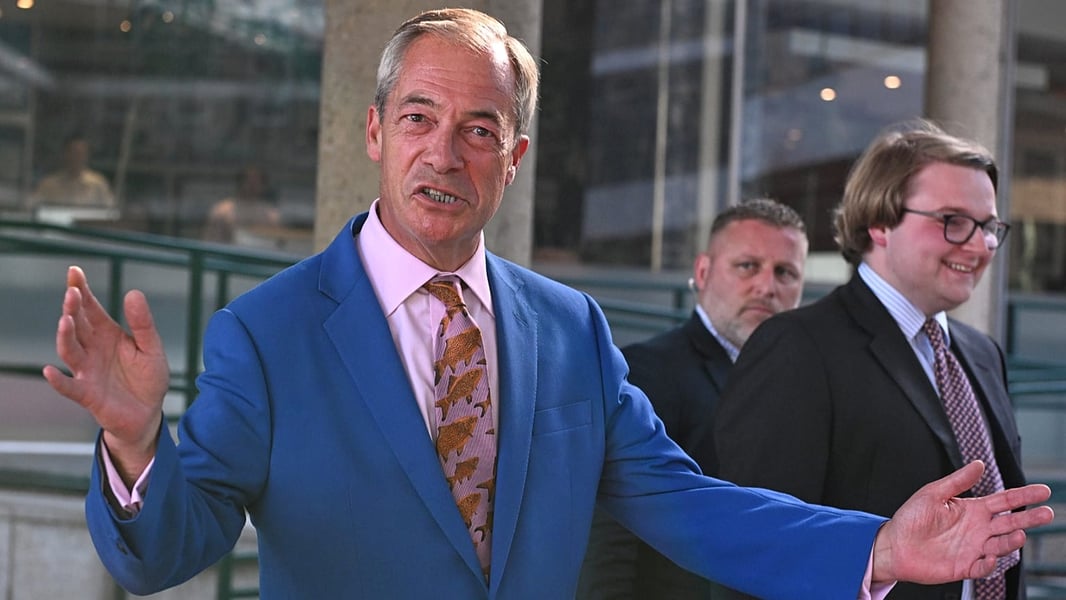
The £5 million donation at the centre of the scandal was not publicly declared by Reform UK within the required disclosure period. Media reporting on the undisclosed sum led to the scrutiny that preceded Farage’s resignation. Farage characterised that scrutiny as an “establishment” attack and framed his decision to resign and seek re-election as a deliberate escalation of the confrontation with the political class he has built his career contesting.
The political context in which the by-election arrives is unusual. Andy Burnham became Britain’s prime minister on July 21, replacing Keir Starmer at Downing Street after winning the Labour leadership with more than 85 percent of parliamentary support. Burnham’s path to Downing Street ran partly through Clacton’s political logic: the threat that Reform UK poses to Labour’s traditional working-class base was a central argument made by his supporters within the parliamentary party. Whether his arrival at Number Ten shifts the electoral calculation in Essex is one of the questions the August vote will begin to answer.
Reform UK has led national opinion polls for more than a year and captured the largest share of the popular vote at the 2024 general election, a plurality that produced 98 parliamentary seats under Britain’s first-past-the-post system. The party’s polling strength does not translate linearly into by-election results, and the 34-candidate field will dilute the non-Farage vote in ways that are difficult to model in advance. The 2008 Haltemprice race resolved into an effective two-horse contest despite its 26-name ballot; Clacton is likely to follow similar dynamics.
The deeper question is what Farage’s resignation says about the trajectory of the party he leads. His June Substack essay claimed Britain operates as a “two-tier state against white people”, proposing to deport foreign social housing tenants and repeal the Equality Act. Those claims generated sustained backlash from ministers and legal challenge from equality lawyers. The resignation and by-election extend that posture into the electoral arena, with the personal mandate he is seeking designed to reframe the disclosure scandal as a test of whether voters trust him regardless of what the transparency rules require.
Whether that framing holds through an August campaign will depend in part on what further scrutiny of the £5 million gift produces. The record 34-candidate field guarantees that some of those on the ballot will attempt to keep the financial question at the centre of the contest. None of them, at this stage, appears well-positioned to succeed. The result will be known by late August. The question it will answer is not only whether Farage wins in Clacton, where on current polling he is likely to, but by how much, and what the margin says about the durability of the political identity he has constructed.