
EAST RUTHERFORD – Before Argentina and Spain had touched the ball in the World Cup final on Sunday, Donald Trump had already declared himself the tournament’s real winner.
“It turned out we were a soccer country, and I think it’s going to remain,” the president said Friday at a reception in Trump Tower on Fifth Avenue, where FIFA chief Gianni Infantino sat nearby. “This has really brought the world together.”
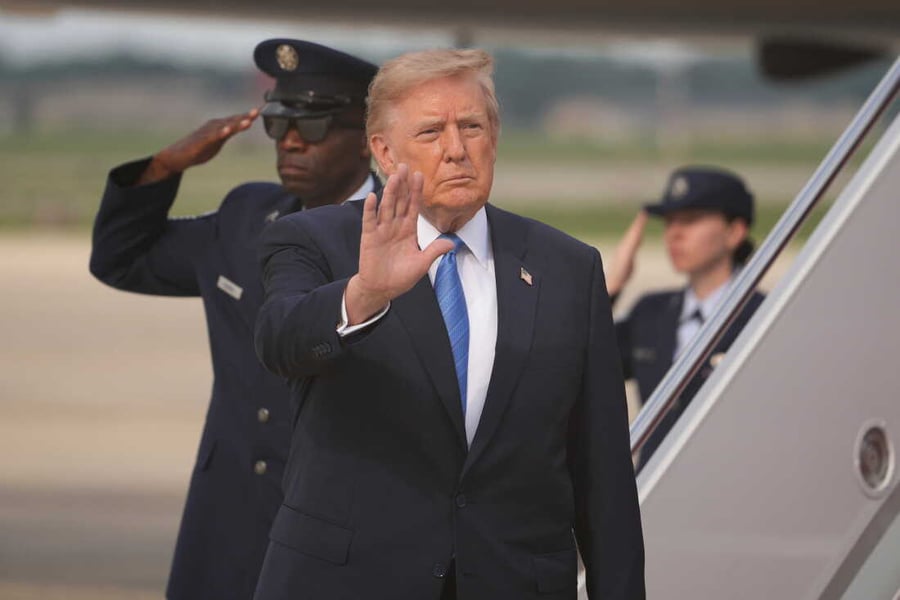
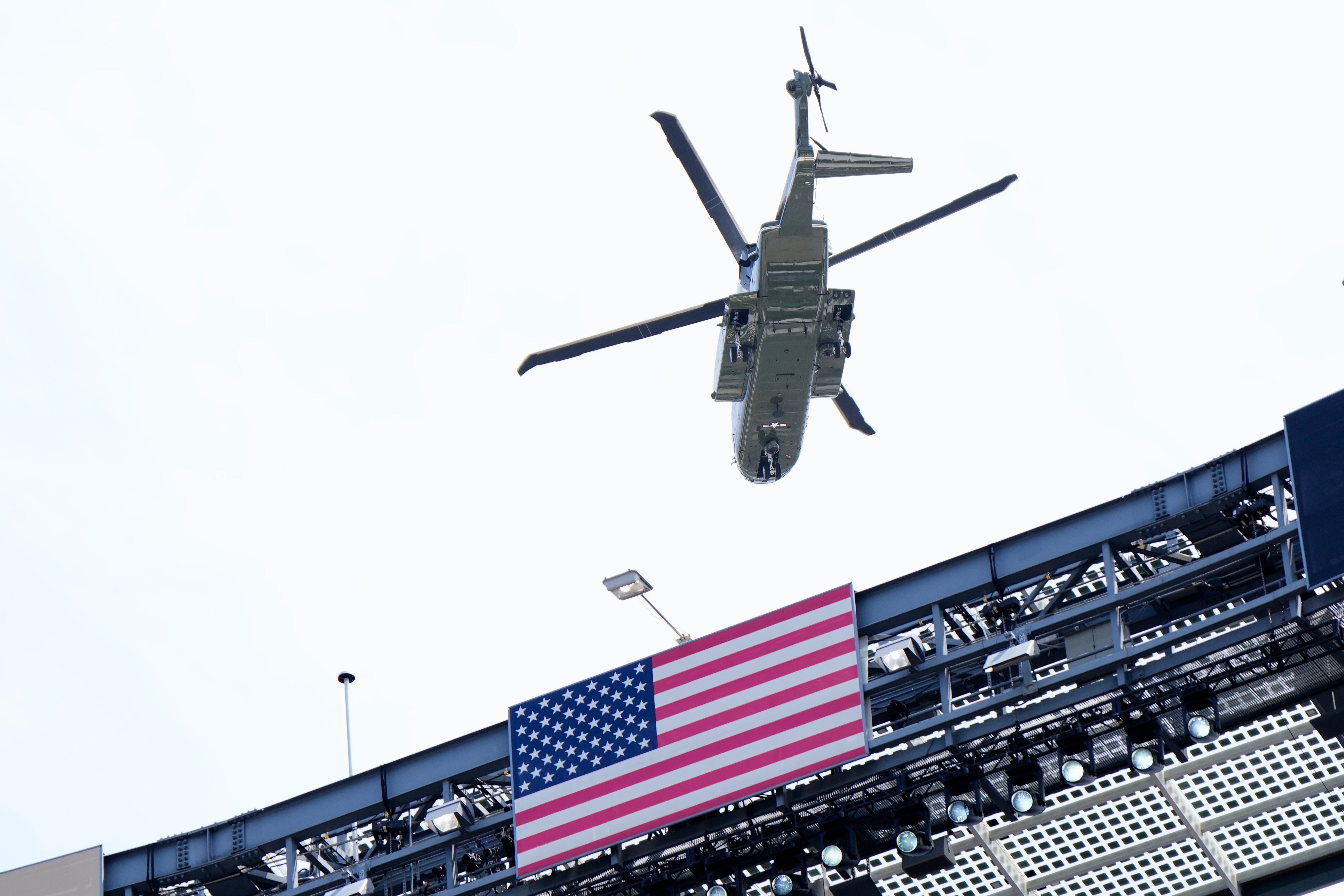
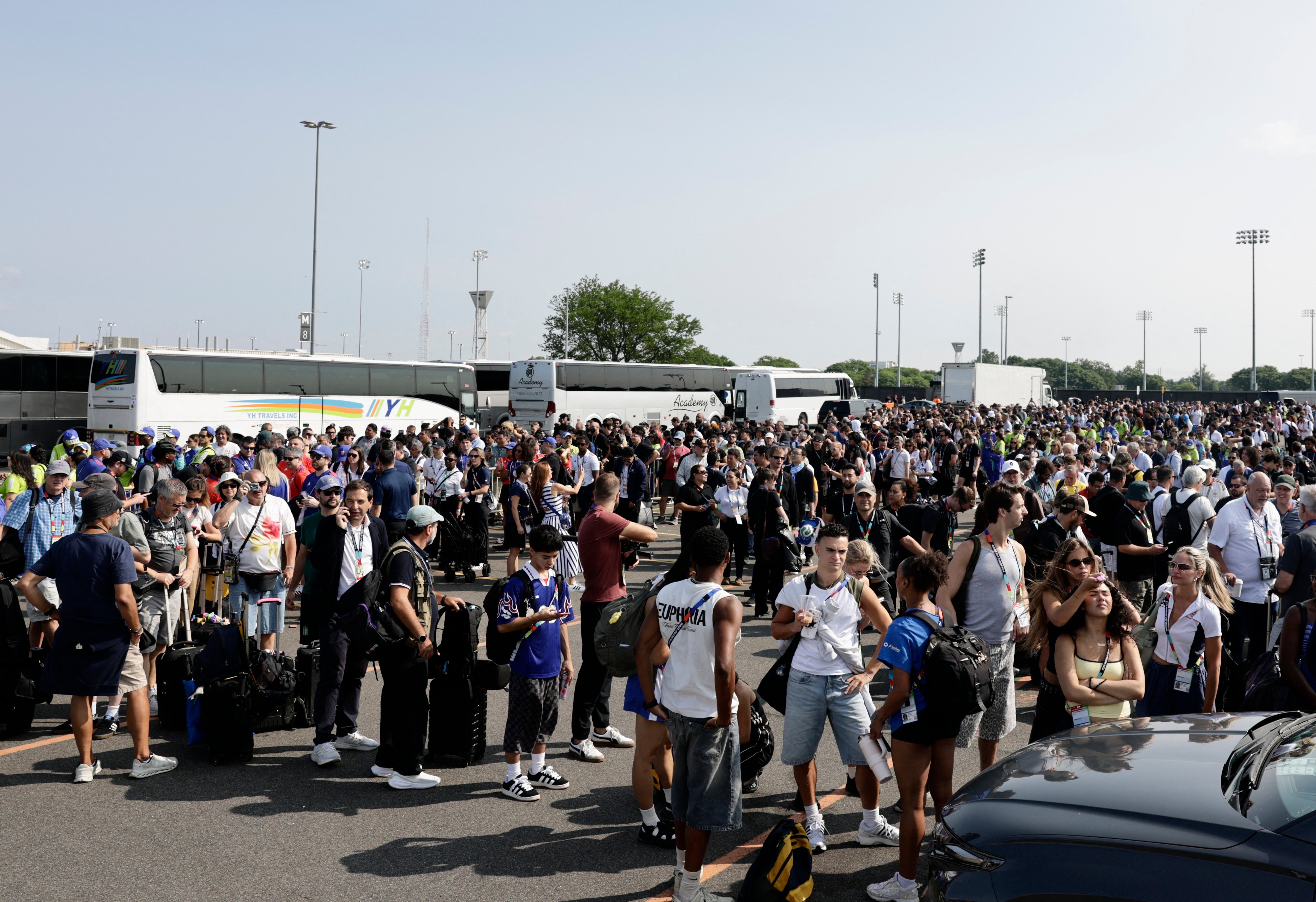
Marine One swept over MetLife Stadium on Sunday morning as spectators waited in lines that stretched well beyond the stadium perimeter. Al Jazeera reporters described two-hour waits to clear the initial security checkpoint, with others waiting more than three hours. Accredited journalists were denied entry despite holding valid tournament credentials. Ticket scanners malfunctioned. Fans who arrived at the recommended four-hour mark still found themselves outside as the first half began inside.
None of that appeared in the White House’s account of the day.
The Trump administration’s relationship with FIFA had already produced one controversy that went largely unaddressed. Earlier in the tournament, Trump called Infantino and asked for a review of a referee’s decision to issue a red card to United States forward Folarin Balogun during the American side’s group-stage match against Bosnia and Herzegovina. The card would have prevented Balogun from playing the next game. FIFA reversed the call. Trump congratulated Infantino at the Trump Tower reception on Friday. The United States lost to Belgium 4-1 in the subsequent match anyway.
Andrew Giuliani, who ran the White House FIFA Task Force, said the administration had a “duty” to raise questions about the officiating process and called the tournament an event delivered with “integrity.” The question of what it means for a sitting president to phone FIFA’s chief executive requesting a referee’s reversal was not one Giuliani chose to engage. The Trump Justice Department had also dismissed a landmark FIFA corruption case just weeks before the tournament began, with federal prosecutors declaring soccer corruption no longer a priority.
The immigration concerns that human rights groups had raised for more than a year before the tournament materialized in specific and documented ways. The administration denied entry to a Somali referee who had won international recognition for his officiating. Iran’s World Cup squad was barred from entering the United States, forcing the team to train in Tijuana as fans and Iranian personnel were similarly blocked. The administration had also threatened to pull games from cities that refused to cooperate with federal immigration enforcement, a threat that created sustained tension with local governments throughout the tournament. It meant that Spain’s 2010 World Cup winner Joan Capdevila was denied a visa to attend the final because of a decade-old exhibition match he played in Tehran.
The broader public narrative around the tournament eventually shifted to something the White House preferred. Videos of fans from around the world sampling American food and customs flooded social media during the weeks of play. Administration officials pointed to this as evidence of American soft power at work. Critics noted that the fans enjoying ranch dressing and state fairs were, in many cases, citizens of countries the administration had tried to slow at the border.
Spain, the other team in Sunday’s final, carried a specific tension into the match with the host administration. Madrid had refused to permit the United States to use its military bases to launch strikes against Iran during the ongoing war, a decision Washington had not forgotten. Spain’s King Felipe VI, Queen Letizia and Prime Minister Pedro Sanchez attended the final in New Jersey regardless. They were watching a team that had not lost a match in the tournament, had conceded a single goal across seven games, and arrived in the final as the side most analysts regarded as the strongest.
Canada and Mexico, the tournament’s co-hosts, had also carried the weight of Trump’s trade policy through their shared weeks of matches. Trump imposed stiff tariffs on both countries after returning to office and declined to renew their trade agreement. On Friday, he threatened Canada with tariffs specifically because of wildfire smoke affecting air quality in northern New Jersey. He suggested at the FIFA reception that the next tournament might drop Mexico and Canada. On Sunday, the leaders of both countries were sitting in MetLife Stadium at his invitation.
The FIFA Peace Prize Trump received at the World Cup draw ceremony in December at the Kennedy Center set the tone for what followed. A president who had intervened in referee decisions, denied entry to officials and players, and threatened to reorganize a global tournament around domestic immigration policy was also the one who arrived at the final in a presidential helicopter, held the gold trophy during the first half, and called the whole thing his. Claiming credit while skipping accountability has defined his approach to most things. The World Cup, it turned out, was not an exception.
Trump told reporters before the final that he could not pick a side. He liked Messi, he said, and he knew it was going to be hard to beat him. The trophy was brought to his box seat as the first half played out. He patted the gold object. The match was still live. The winner had not been decided. He held the prize for a moment, the man who had arrived by helicopter and endured no security line, and who had already, in his own telling, won.
Related Posts