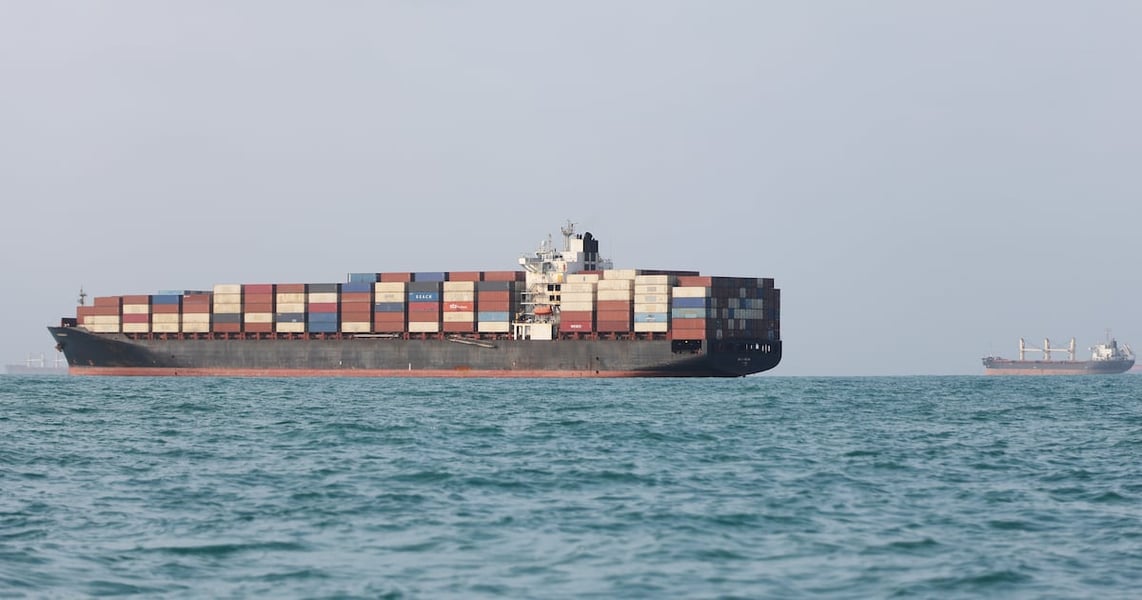

DUBAI — Ten commodity vessels passed through the Strait of Hormuz on Wednesday. Before February, roughly twenty million barrels of oil crossed that passage every day. On Thursday night, the United States military declared it open.
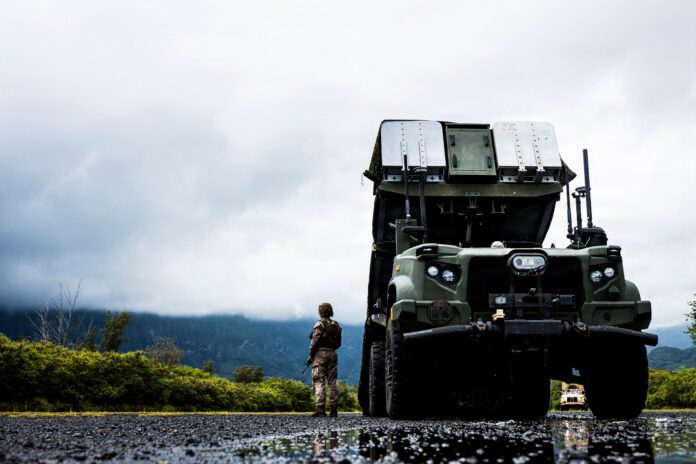
Admiral Brad Cooper, the head of US Central Command, said in a video statement that “internationally recognized transit routes in the Strait are free of Iranian sea mines.” Navy divers, special operations forces, and aircraft had spent months clearing the shipping lanes, a campaign Cooper called “challenging and dangerous,” and guided nearly 1,500 commercial vessels carrying roughly 750 million barrels of crude destined for global markets.
The US declaration landed into a live dispute. Iran’s Deputy Foreign Minister Kazem Gharibabadi said Thursday that the strait “remains closed.” Tehran characterized Washington’s announcement as “propaganda intended to create calm in global energy markets,” and the deputy foreign minister raised a pointed question: if the lanes are clear, why are so few vessels using them?
The number answers that question more clearly than either government’s statement. The ten-day average of vessel transits stood at fifteen a day as of Wednesday. Oil flows have not returned to the volumes that sustained global refining before February 28, when Iran began enforcing restrictions on the waterway.
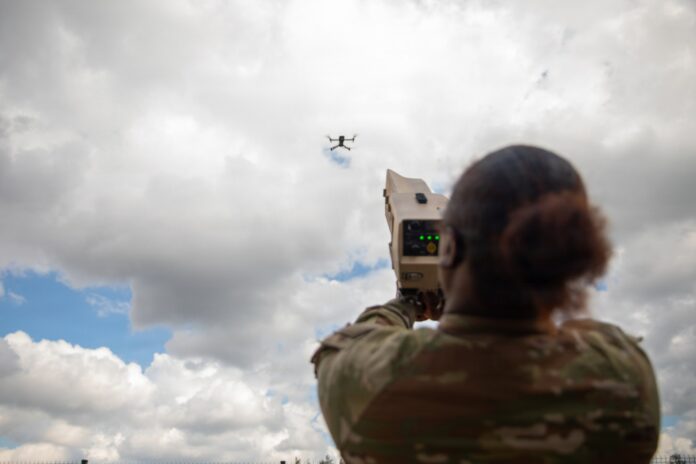
President Donald Trump amplified the CENTCOM video, describing the strait as open and setting a zero-tolerance policy for any new mine placement. Cooper’s statement added that Space Force was “watching every square inch of the Strait” and that any vessel placing mines would be “immediately and systematically destroyed.” The Joint Maritime Information Center, which monitors maritime risk in the region, separately warned this week of a “continued risk of drifting or uncharted mines” near the shipping lanes, a caveat that sits at odds with CENTCOM’s categorical declaration.
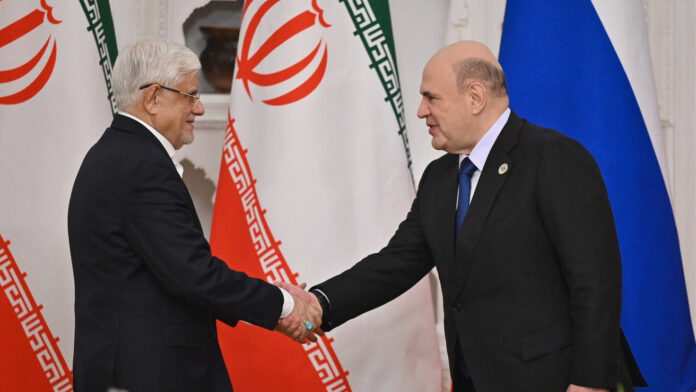
Qatar’s Prime Minister Mohammed bin Abdulrahman Al Thani arrived in Tehran on Thursday to press what Doha described as “ongoing efforts to de-escalate tensions and foster a conducive environment for dialogue.” He met President Masoud Pezeshkian and separately with Foreign Minister Abbas Araghchi, whose own statement Wednesday had already set Tehran’s position plainly. Iran is not closed to diplomacy, Araghchi said, but the conditions are not new and no amount of pressure changes them.
The Qatari prime minister’s words after the Pezeshkian meeting were pointed in their direction. “The language of force and threats is not a solution,” Al Thani said, “and stability, security, and economic peace must be restored to the region through diplomacy, rationality, and logic.” Doha has positioned itself as the channel most capable of carrying US-Iran communications without triggering the public posturing that derails direct exchanges. Qatar’s LNG exports transit the same waters Iran has been restricting, and Doha has concrete economic interests in any restored shipping arrangement. Thursday’s visit continued an effort that has intensified since the Islamabad memorandum’s sixty-day window collapsed in July.
Iran went further on Thursday, announcing it would formally name its terms for a fuller reopening of the strait. The conditions Tehran has previously stated include the lifting of US sanctions, compensation for war damages, and an end to the regional conflict. Whether Thursday’s statement adds new specificity to those positions was not immediately clear.
Running alongside the CENTCOM declaration and the Qatari mediation is a third track that leaves Washington outside. Iran and Oman have established a temporary seven-mile shipping corridor through the strait under Iranian sovereignty, a bilateral arrangement that gives Tehran, not CENTCOM, the actual authority over who passes. Commercial vessels must receive Iranian permission. Military vessels are barred.
The CENTCOM declaration also arrived alongside a separate signal from Washington. Trump raised the possibility of sanctions on Chinese banks for their Iran dealings, a broadening of pressure that, if enacted, would affect Beijing’s role as a primary buyer of Iranian crude and add another variable to the oil market’s supply calculations.
The crude oil market absorbed Thursday’s declaration without much conviction. Brent opened at $87.65, modestly above Wednesday’s close, sustained by a physical floor built not on military announcements but on distillate inventories at a thirty-year seasonal low. Traders are waiting on Federal Reserve Chair Kevin Warsh’s speech at Jackson Hole on Friday morning before repositioning. Thursday’s crude oil board, including the PCE backdrop, has the full picture.
What Admiral Cooper’s video does not answer is the fundamental question of control. His warning assumes Tehran has decided not to place new mines. Iran’s deputy foreign minister said the waterway remains closed and that Washington cannot unilaterally declare otherwise. Both cannot simultaneously be true.
What is demonstrably true is that ten vessels a day are crossing a passage that once carried twenty million barrels. CENTCOM is counting the vessels it guided through. Iran is counting the ones that did not come. The barrel count continues to align with Tehran’s version.