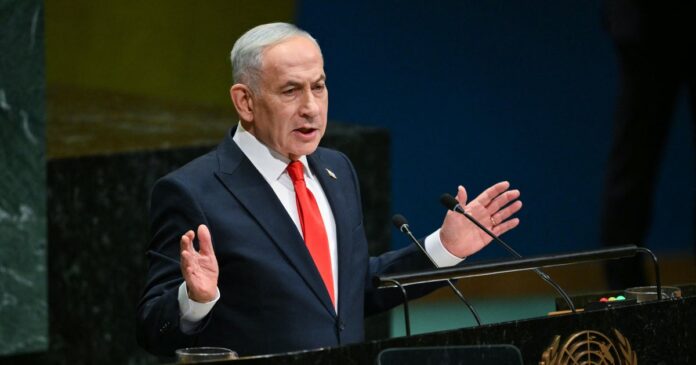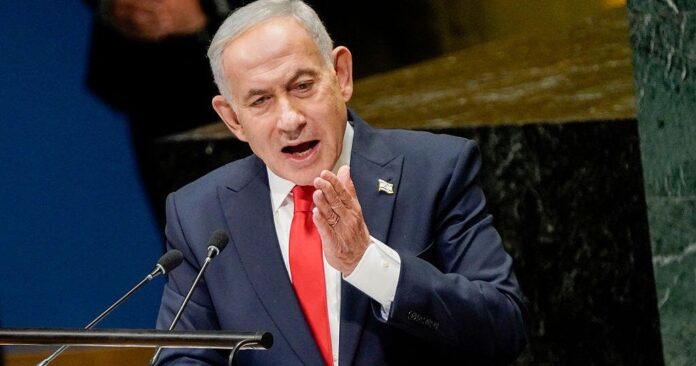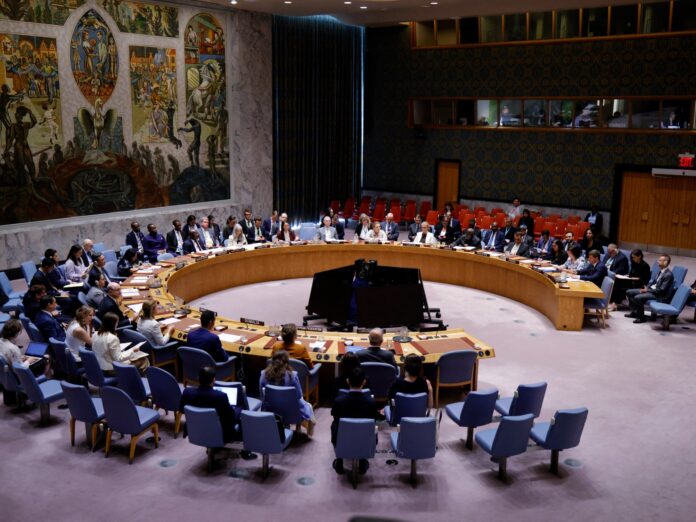

TEL AVIV — Israel’s Central Elections Committee voted 18 to 5, with one abstention, on Wednesday to bar both of the country’s main Arab-led political parties from standing in the October 27 Knesset election — a ruling the nation’s own attorney general said had no legal foundation and that the Supreme Court is widely expected to overturn. The political message has already been delivered.
The committee, composed of representatives from sitting Knesset parties, approved petitions filed by Benjamin Netanyahu‘s Likud party to exclude the United Arab List, known as Ra’am, and the Joint List, a coalition comprising Hadash, Ta’al, and Balad. Individual candidates were also barred: Ofer Cassif, a Jewish member of Knesset affiliated with Hadash, and Sami Abu Shehadeh, Balad’s leader. The petitions invoked Section 7A of Basic Law: The Knesset, alleging connections between Ra’am and charitable organizations the applicants claimed transferred aid to Hamas-linked bodies. The attorney general found the evidence insufficient to meet the legal threshold for disqualification.
The Arab parties together hold twelve seats in the outgoing Knesset. Ra’am under Mansour Abbas holds five; the Joint List holds seven. Their removal from the ballot would reshape coalition mathematics in ways that benefit Netanyahu’s right-wing bloc heading into what polls describe as the closest-fought Israeli election in years.
Attorney General Gali Baharav-Miara told the committee before the vote that neither Ra’am nor the Joint List met the standard for exclusion under Section 7A, which requires evidence of explicitly denying Israel’s existence as a Jewish and democratic state, inciting racism, or supporting armed struggle against the state. Her opinion was advisory. The committee, whose members are drawn almost entirely from sitting Knesset factions, ignored it by a three-to-one margin.
“This is a political ruling, improper, and anti-democratic,” Mansour Abbas said after the vote. “It contradicts the position of the attorney general. It is an attack on Arab-Jewish coexistence in this country.” Abbas made history in 2021 when Ra’am became the first Arab party to join a governing Israeli coalition — a wager on working within Israeli institutions rather than against them. The committee’s ruling treats that wager as beside the point.
The Arab human rights organization Adalah announced it would appeal to the Israeli Supreme Court within hours of the ruling. The court has historically overturned most Central Elections Committee exclusions. It reversed a nearly identical ban on the same parties ahead of the 2021 elections in under a week, Al Jazeera reported. Legal observers are confident the court will act again before early voting begins.

The stated pretext matters less than the political architecture it exposes. No new evidence emerged between 2023 and now. No court ruling changed the legal landscape. No action by Ra’am or the Joint List during the intervening three years altered the picture. What changed was that an election is five weeks away.
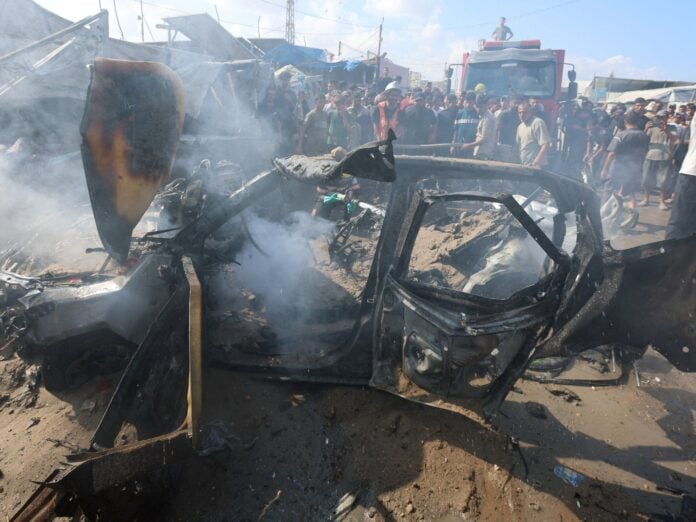
The Gaza genocide — now entering its third year — forms the unspoken backdrop. Arab political parties in Israel have been among the most consistent parliamentary voices against Israel’s conduct in Gaza. The Joint List submitted dozens of legislative motions demanding a ceasefire in 2024 and 2025; all were rejected. Ra’am, under Abbas, took a softer public posture but did not endorse the military campaign. Both parties represent Arab citizens of Israel — roughly twenty percent of the population — whose lived experience of the war in Gaza bears no resemblance to the narrative the Knesset majority prefers.

The October elections were called after the Knesset dissolved in July, with Netanyahu trailing former military chief Benny Gantz in most surveys. The coalition math has tightened in both directions since then. The center-left bloc, with Arab representation included, polls within range of a governing majority. Without it, the numbers shift substantially in Netanyahu’s favor. The Jerusalem Post reported that the disqualification applications were filed by Likud, which has campaigned hardest on security grounds this cycle.
Likud’s petition under Section 7A cited alleged Hamas connections as its primary basis — not the speech or parliamentary conduct of the parties themselves. The attorney general reviewed the same evidence and concluded it was insufficient. The committee reviewed the same evidence and concluded otherwise, 18 to 5.

Arab leaders across the region engaged in Israeli normalization discussions have insisted that Palestinian rights and Israeli democratic credibility travel together. Wednesday’s vote is a data point in that argument no foreign ministry asked for.
Mansour Abbas called it an attack on coexistence. He was naming something more precise than a single ruling — the structural conditions under which Arab political participation exists in Israel: provisionally, revocably, and at the discretion of the parties that gain most from making it disappear.