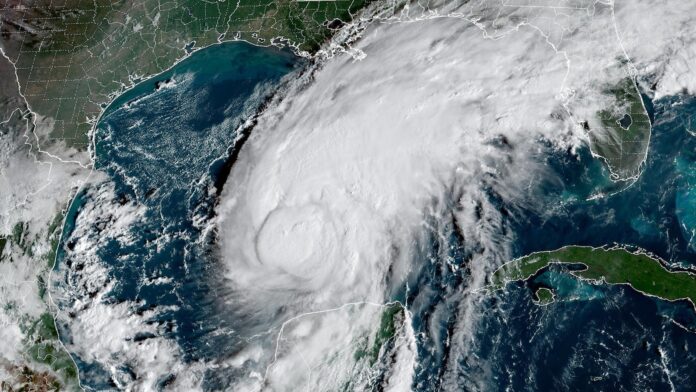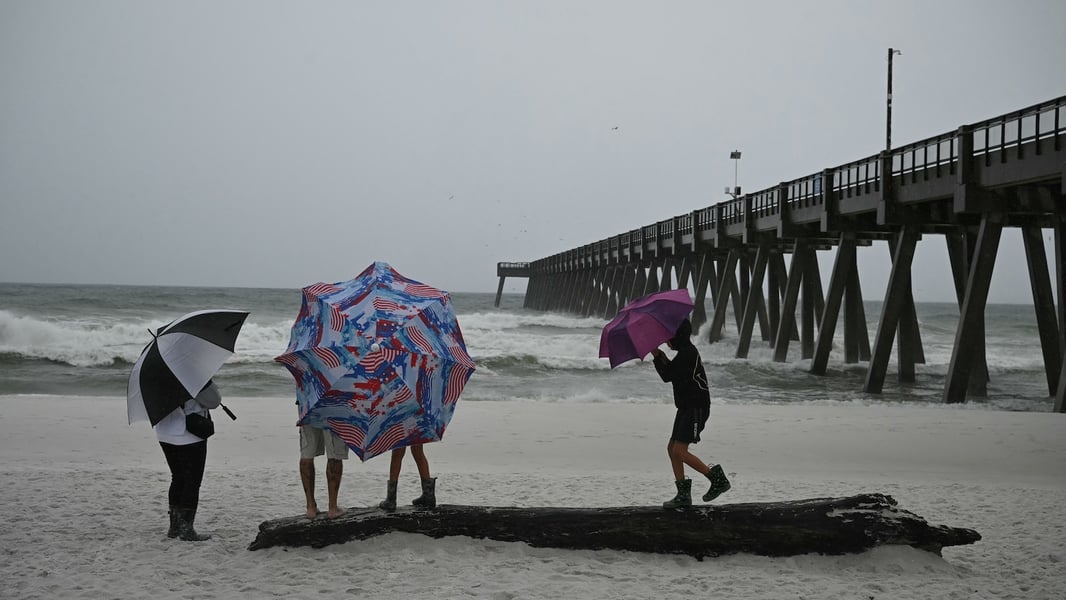

DESTIN — Nearly 900,000 homes and businesses across Florida, Alabama and Georgia were without power on Saturday after Hurricane Isaias came ashore on the Florida Panhandle, and forecasters say the water that follows the wind is still the larger danger, NPR reported.
Isaias made landfall near Destin at about 8:30 p.m. Central time on Friday, or 9:30 p.m. Eastern, according to the National Hurricane Center. Radar data in the NHC landfall update showed maximum sustained winds of 105 mph, which made it a Category 2 hurricane at the coast. The Wall Street Journal described a shoreline hit by intense rainfall, strong winds and the risk of deadly flooding.
The lights went out almost at once. USA Today’s outage tracker counted more than 560,000 customers without electricity within an hour of landfall across southern Alabama and the western end of the Panhandle. In Escambia County, home to Pensacola, 70 percent of customers lost power. Tiny Liberty County, Florida, was at 97 percent, and Conecuh County, Alabama, was at 94 percent. Those figures show a storm that did its work well away from the beach, in rural counties where fast-moving hurricane-force gusts kept going long after the eye had passed.
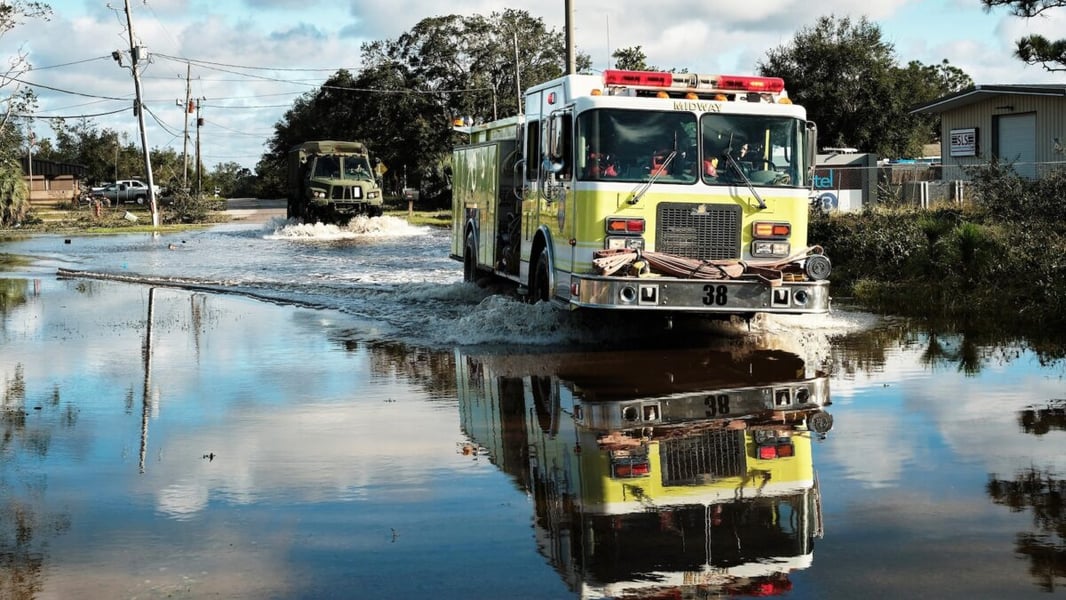
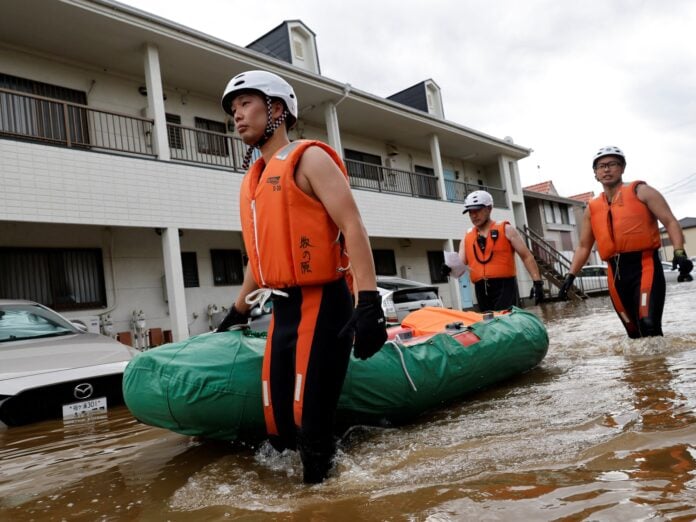
The storm lost strength quickly once it was inland. ABC News reported that Isaias weakened to a Category 1 hurricane with 90 mph winds on Friday night, and that the hurricane center declared it a post-tropical cyclone on Saturday, meaning it no longer has the structure of a tropical system. The label does not shrink the danger. Hurricane-force winds were forecast to reach up to 100 miles inland, with rainfall of 4 to 8 inches across southern Alabama, the Florida Panhandle and the Big Bend, and isolated totals as high as 15 inches. Flash flooding is likely across the region, and southwestern Georgia is among the areas expected to see considerable impacts.
Water was the bigger worry before landfall, and it remains one now. Forecasters had warned that storm surge could reach 5 to 7 feet from Dauphin Island and Gulf Shores to Pensacola and Destin, and as high as 9 feet between the Santa Rosa and Okaloosa county line and Grayton Beach. Parts of Mississippi’s coast, including Biloxi and Gulfport, faced surge of 4 to 6 feet.
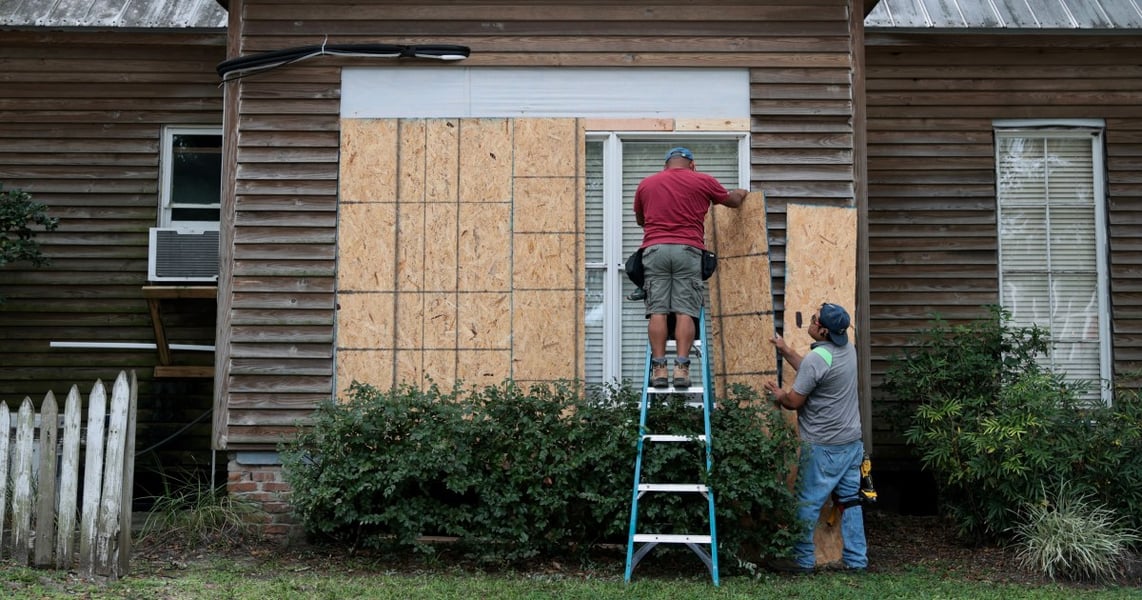
Governor Ron DeSantis told residents on Friday to prepare for three days without electricity, with enough food, water, gasoline and medication to last. Evacuation orders mattered most for anyone near the water, he said. DeSantis said, “You hide from the wind, but you run from the water.” He added that Florida had 16,000 linemen ready to respond, while the Florida National Guard and the state health and transportation departments mobilized for rescues and evacuations.
The storm also arrives in an unusually quiet year. Isaias is the first hurricane of the 2026 Atlantic season and the ninth named storm, NBC News reported, and it ended the first stretch in 75 years in which the Atlantic had no hurricane by late September. Forecasters at the National Weather Service raised the odds of a below-normal season from 55 percent in May to 75 percent in August. ABC noted that the last hurricane to strike the United States was Milton, which came ashore near Siesta Key on October 9, 2024, exactly two years before Isaias, and that 2025 was the first year in a decade without a U.S. hurricane landfall.
Damage assessments and casualty figures had not been confirmed in the reports reviewed. Residents in affected areas should follow guidance from local emergency officials, avoid flooded roads and treat downed power lines as live. The Eastern Herald will update this report as officials and utilities release verified figures.