The Russia Ukraine War has entered a volatile and technologically transformed phase, one defined not by trench warfare or tank battles, but by long-range drone strikes targeting the economic lifelines of a nuclear power.
In recent days, Ukraine has intensified a campaign of deep-strike drone attacks deep inside Russian territory, targeting oil refineries, export terminals, and critical infrastructure hundreds, even thousands, of kilometers from the battlefield. These strikes are not symbolic. They are calculated, systematic, and increasingly devastating.
The result is a dramatic escalation that is reshaping not only the battlefield but the global energy system, and raising urgent questions about how far the United States and its Western allies are willing to go.
A War No Longer Confined to the Front Lines
What began as a territorial conflict has now expanded into a full-spectrum economic war.
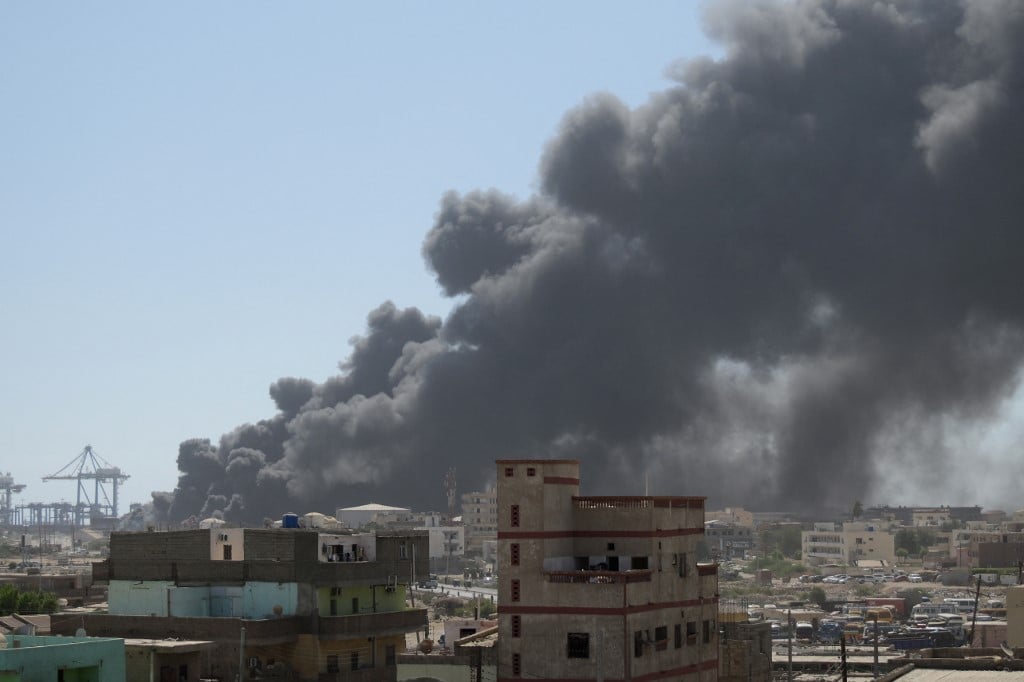
Ukraine’s expanding drone campaign has repeatedly struck key export infrastructure, including Ukrainian drones struck Russia’s Ust-Luga oil port, one of Moscow’s most critical energy hubs.
Throughout March, Ukrainian forces carried out what analysts describe as the largest drone assault on Russian territory, hitting oil facilities, industrial plants, and logistics centers.
These operations reflect a deliberate shift in strategy: if Ukraine cannot match Russia in conventional firepower, it can instead undermine the economic engine that sustains Moscow’s war effort.
Crippling Russia’s Energy Lifeline
The scale of the damage is now becoming clear. Satellite imagery confirms that Russia’s oil storage capacity destroyed at the Primorsk terminal, one of the country’s largest export points.
At the same time, repeated attacks on Ust-Luga have severely disrupted operations, with Ukrainian drones repeatedly struck Ust-Luga oil port, forcing shutdowns and triggering fires across storage facilities.
As a result, Russia forced to cut oil output as exports collapse, with production expected to droped due to infrastructure damage and logistical bottlenecks.
Even more significantly, Russia’s Baltic oil exports halted after sustained drone attacks, marking one of the most severe disruptions to Russian energy flows in modern history.
These are not isolated incidents. They represent a systematic campaign to degrade Russia’s ability to finance the war.
Global Energy Shockwaves
The ripple effects of these strikes are already being felt far beyond the battlefield.
Russia remains one of the world’s largest oil exporters, and even limited disruptions can trigger global consequences. Now, with large portions of its export infrastructure offline, markets are tightening rapidly.
Energy analysts warn that Ukraine’s drone campaign is not just a military strategy, it is an economic weapon aimed at reshaping global supply chains and forcing international stakeholders to confront the cost of continued conflict.
This broader geopolitical shift is also reflected in how drone warfare expanding across Europe and global alliances, linking energy markets, military strategy, and diplomatic tensions.
The West’s Expanding Role
Behind this escalation lies a deeper and more controversial reality: the growing involvement of the United States and its allies.
Recent diplomatic developments confirm that Western powers continue to play a central role in shaping the conflict’s trajectory, from military support to strategic coordination.
Critics argue that this support has effectively enabled Kyiv to escalate strikes deep into Russian territory, transforming the conflict into a broader proxy confrontation.
At the same time, pressure is mounting within Ukraine itself, where Ukraine faces growing battlefield strain and manpower crisis, raising questions about the long-term sustainability of its strategy.
Russia’s Retaliation: Escalation Meets Escalation
Moscow’s response has been swift and overwhelming.
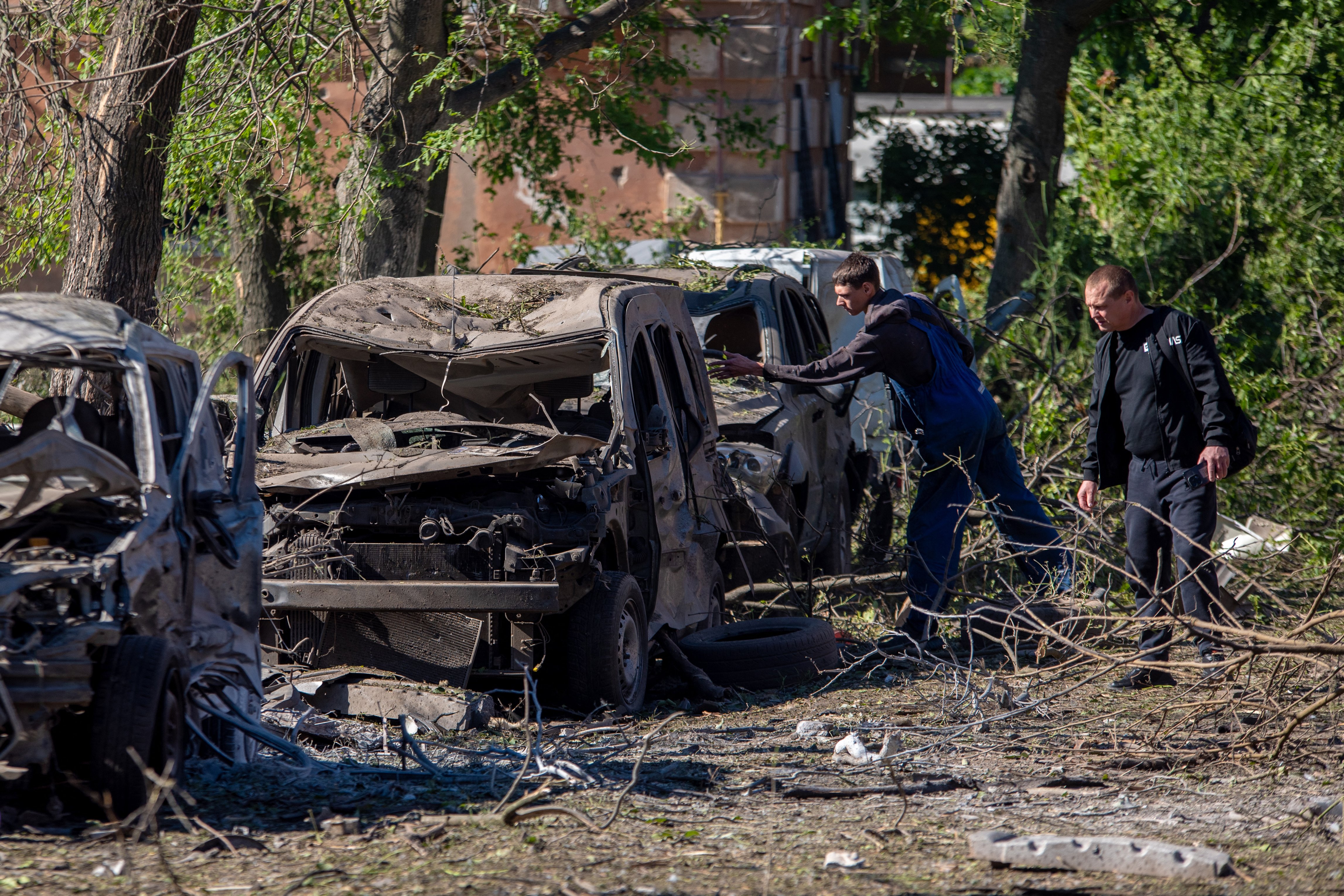
In one of the largest aerial offensives of the war, Russia launched more than 700 drones in retaliation, targeting cities and military infrastructure across Ukraine in a massive coordinated strikes.
This escalation signals a shift toward high-volume drone warfare, where quantity and persistence are used to overwhelm defenses and impose sustained pressure.
The Rise of Drone Warfare
Drones have become the defining weapon of the Russia Ukraine War.
Cheap, adaptable, and capable of striking deep into enemy territory, they have fundamentally changed the dynamics of modern conflict. Ukraine’s ability to hit targets more than a thousand kilometers away highlights a new era where geography offers little protection.
Meanwhile, Russia has scaled up its own drone operations, relying on mass deployment strategies to maintain pressure on Ukrainian defenses.
A War Intertwined with Global Conflicts
The conflict is no longer isolated. It is increasingly entangled with broader geopolitical tensions.
Analysts warn that Ukraine and Iran conflicts increasingly overlap geopolitically, creating a complex web of alliances and rivalries that extend far beyond Eastern Europe.
This convergence is reshaping global power structures and increasing the risk of a wider confrontation.
Europe Caught in the Middle
For Europe, the consequences are immediate and severe.
Energy disruptions, rising prices, and political divisions are placing governments under intense pressure. The war is no longer just a distant conflict, it is directly affecting economies, industries, and public stability across the continent.
At the same time, Russia continues to leverage its energy resources strategically, as seen when Putin secures gas flows exposing Europe’s energy crisis.
The Strategic Gamble
For Ukraine, the deep-strike campaign represents a high-risk strategy aimed at weakening Russia’s economic foundations.
Evidence suggests that Ukraine’s drone campaign cripples Russia’s oil revenues, significantly reducing export income and creating internal pressure within Russia.
But the risks are equally significant. Each strike invites retaliation, increases escalation, and draws the conflict closer to a broader international confrontation.
A War Without Clear Limits
As the Russia Ukraine War enters this new phase, its boundaries continue to expand.
Geographically, economically, and politically, the conflict is no longer contained. It is evolving into a global crisis driven by energy, technology, and competing power blocs.
A Dangerous New Phase
The drone war between Russia and Ukraine is no longer a tactical shift, it is a strategic transformation.
By targeting oil infrastructure, Ukraine has struck at the core of Russia’s economic power. By responding with overwhelming drone attacks, Russia has demonstrated its readiness to escalate.
And by continuing to back Kyiv, the United States and its allies have entrenched themselves in a conflict that shows no sign of de-escalation.
The result is a war that is no longer regional, no longer predictable, and increasingly global in its consequences.