Backchannel negotiations between the United States and Iran appear to be moving closer to a major diplomatic breakthrough despite increasingly contradictory public statements from Washington, Tehran, and regional allies over what any final agreement would actually include.
The proposed framework, which centers on reopening the Strait of Hormuz, sanctions relief, and restarting negotiations over Iran’s nuclear program, has emerged as the most serious attempt yet to end months of escalating military and economic tensions across the Middle East.
Iranian state television on Wednesday claimed that negotiators had already drafted an unofficial memorandum of understanding with the United States that would restore commercial shipping through the Strait of Hormuz within a month and eventually remove the American naval blockade around Iranian ports.
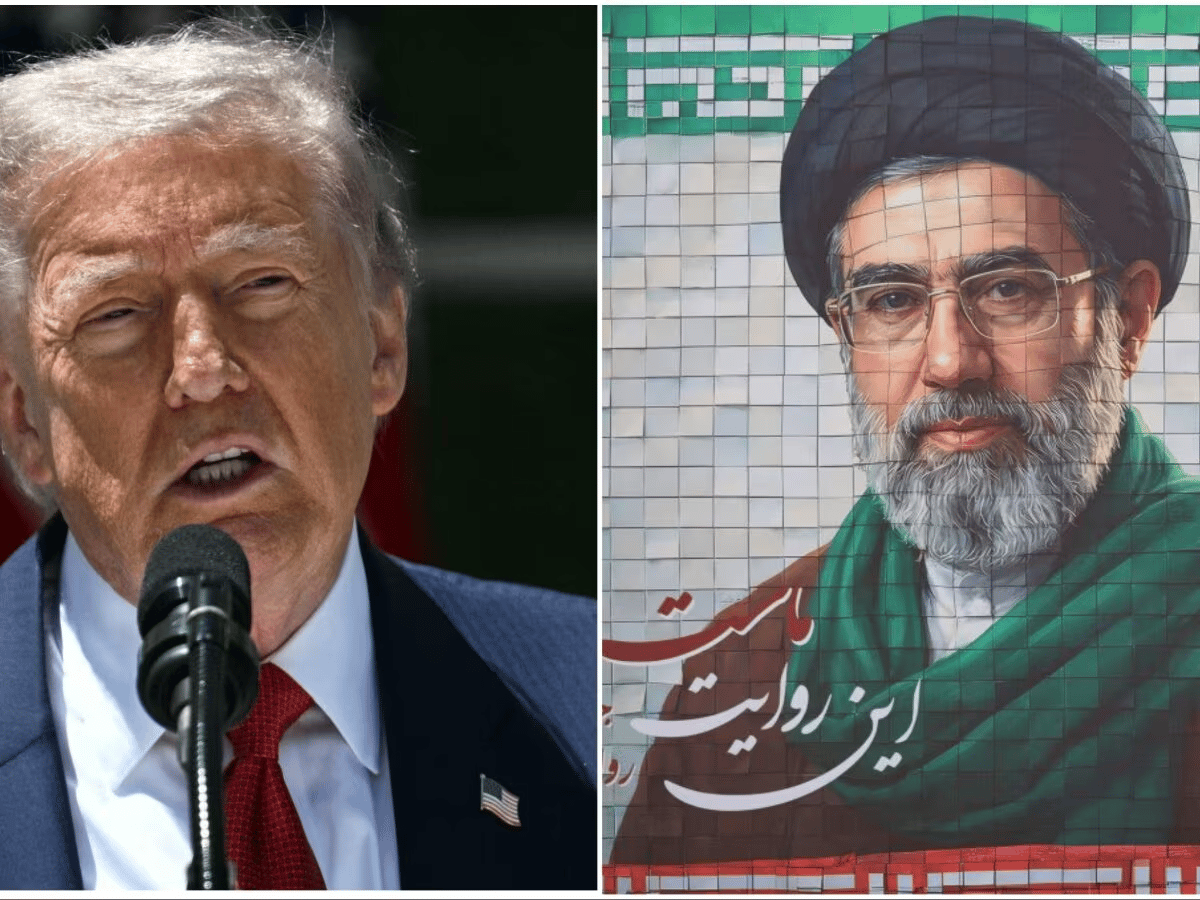
The White House quickly dismissed those reports as “a complete fabrication”, but President Donald Trump has simultaneously continued signaling that meaningful progress is being made behind closed doors. Earlier this week, Trump said a framework agreement had been “largely negotiated” and suggested the Strait of Hormuz could soon reopen under a broader ceasefire arrangement.
That contradiction has intensified speculation that negotiators are deliberately managing public expectations while difficult final-stage concessions continue through intermediaries in Qatar, Pakistan, and Oman. Tehran has already delivered a response to US peace proposal channels through Islamabad as diplomatic contacts accelerate.
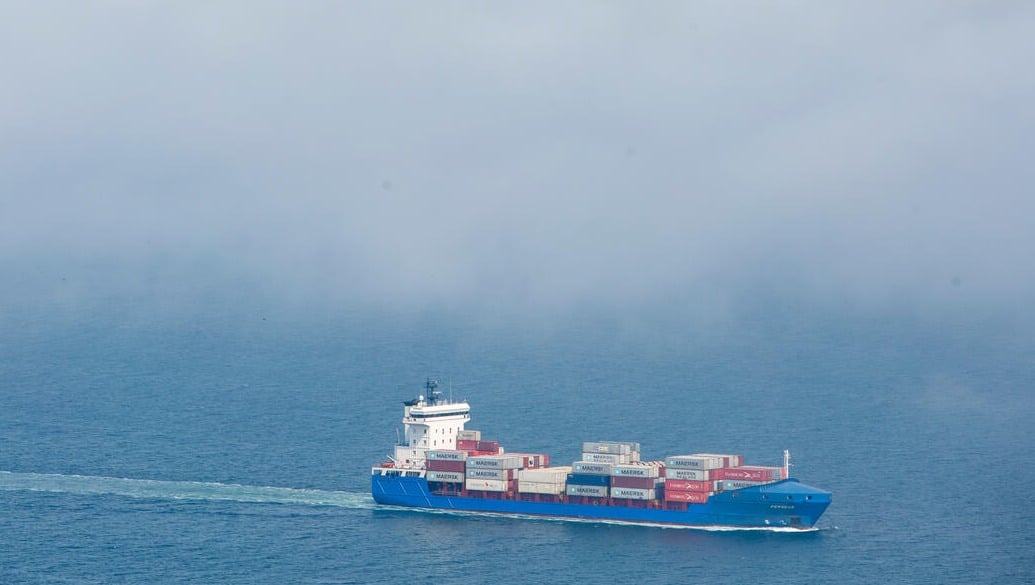
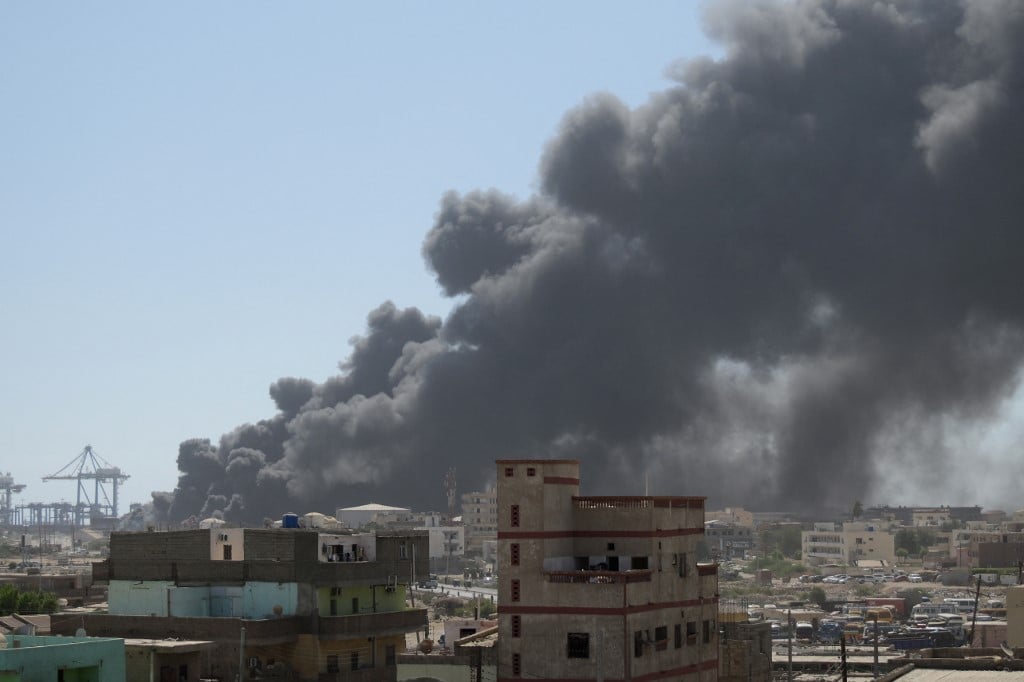
At the center of the negotiations is the Strait of Hormuz, the strategically vital shipping route that previously carried roughly one-fifth of global oil exports before conflict disrupted commercial traffic earlier this year. Iran partially restricted movement through the corridor following military escalation with Israel and subsequent US naval operations in the Gulf.
Under various draft proposals reported by multiple international outlets, Iran would restore unrestricted commercial shipping through the Strait of Hormuz while the United States would gradually ease maritime restrictions and potentially relax some economic sanctions. Discussions are also believed to include the release of frozen Iranian assets and future negotiations over Tehran’s uranium stockpile.
One of the biggest sticking points remains Iran’s nuclear program.
The Trump administration has repeatedly insisted that any lasting settlement must prevent Tehran from developing nuclear weapons capability. Iranian officials, meanwhile, continue rejecting demands for a complete surrender of uranium enrichment activities, arguing their nuclear program remains civilian in nature.
Reports suggest negotiators may now be attempting to postpone the most politically explosive nuclear disputes into a second phase of talks while focusing first on stabilizing Hormuz shipping lanes and extending the current ceasefire arrangement.
The proposed framework reportedly includes a 60-day ceasefire extension during which both sides would negotiate a broader regional security arrangement. Iran would also reportedly clear naval mines deployed near the Strait of Hormuz and refrain from imposing shipping tolls, while the United States could begin easing restrictions on Iranian oil exports.
Still, skepticism remains high on all sides.
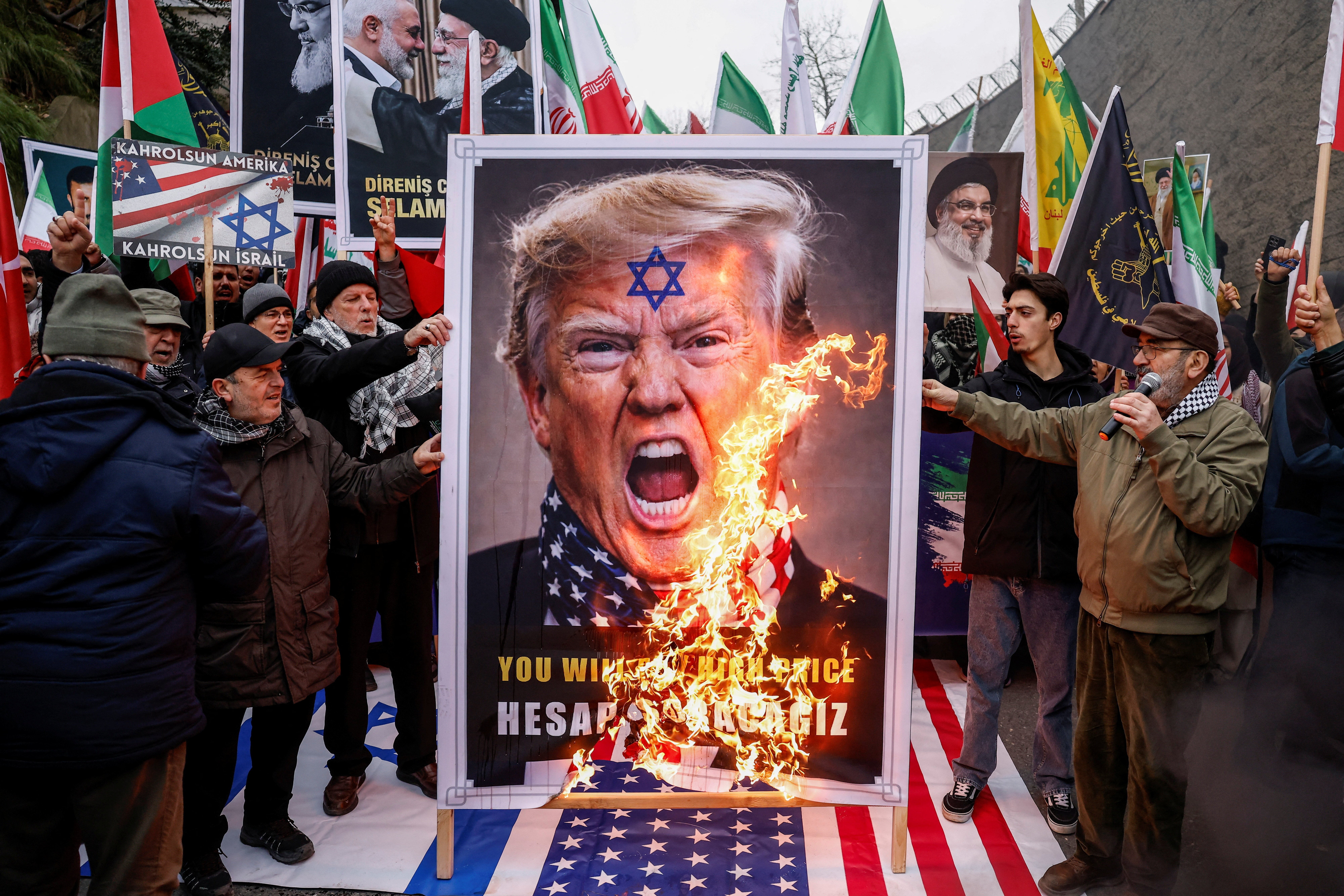
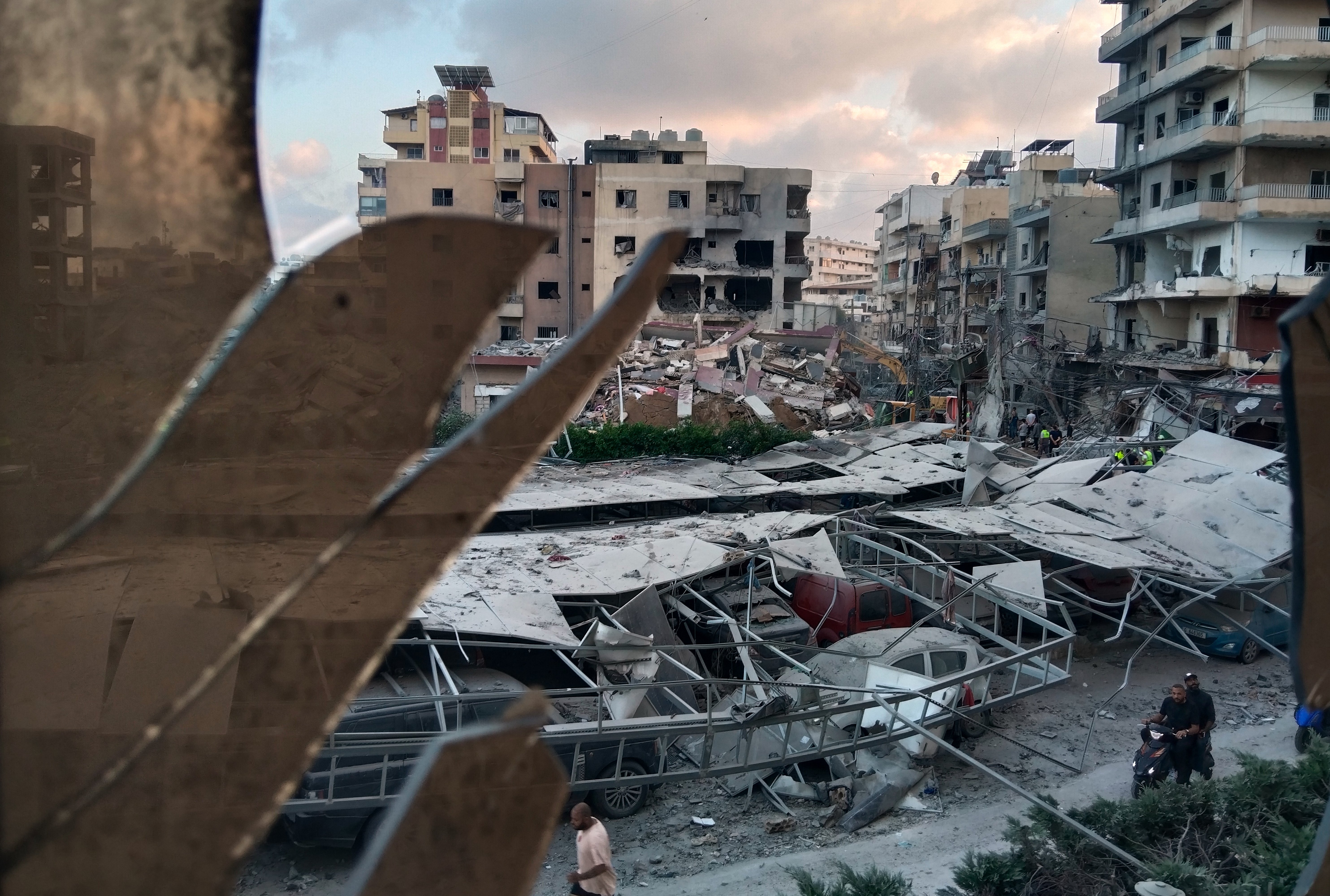
Israeli Prime Minister Benjamin Netanyahu has continued pushing for the complete dismantling of Iran’s nuclear infrastructure, a position Tehran has repeatedly rejected. Israeli operations in Lebanon have also complicated ceasefire discussions, with Iran demanding stronger guarantees against future strikes by Israeli forces or Hezbollah escalation across the region amid continuing military escalation with Israel.
Inside Washington, critics from both parties are questioning whether Trump is considering overly generous concessions in exchange for short-term de-escalation. Some analysts warn that granting Iran greater influence over Hormuz shipping could create long-term strategic risks for global energy markets and regional security.
Financial markets nevertheless reacted positively to reports of progress.
Oil prices dropped sharply after Iranian media suggested commercial traffic through Hormuz could normalize within weeks if a final agreement is reached. Traders interpreted the reports as a signal that one of the world’s most dangerous geopolitical flashpoints could finally be moving toward stabilization after months of disruption.
The broader regional implications could be enormous.
Diplomatic sources indicate that the proposed agreement may eventually expand into a wider Middle East framework involving Gulf states, normalization talks, reconstruction funding, and multinational maritime security guarantees. Trump has also reportedly encouraged countries including Saudi Arabia, Qatar, Pakistan, Egypt, and Turkey to support a broader regional settlement tied to the Iran negotiations.
For now, however, officials on all sides appear careful not to publicly declare victory.
Iranian negotiators insist major disagreements remain unresolved. American officials continue publicly distancing themselves from leaked draft details. And Trump himself has alternated between optimistic declarations and warnings that talks could still collapse if Tehran refuses final concessions.
The result is a diplomatic process that appears simultaneously close to breakthrough and dangerously fragile.
Whether the emerging framework ultimately becomes a historic peace agreement or another failed Middle East negotiation may depend on the next several days of backchannel negotiations happening far from public view.