Astronomy news today with clear, fast reporting on space discoveries, JWST images, exoplanets, black holes, meteor shower tonight, solar and lunar eclipses, aurora, and space weather for readers who want precision and wonder.
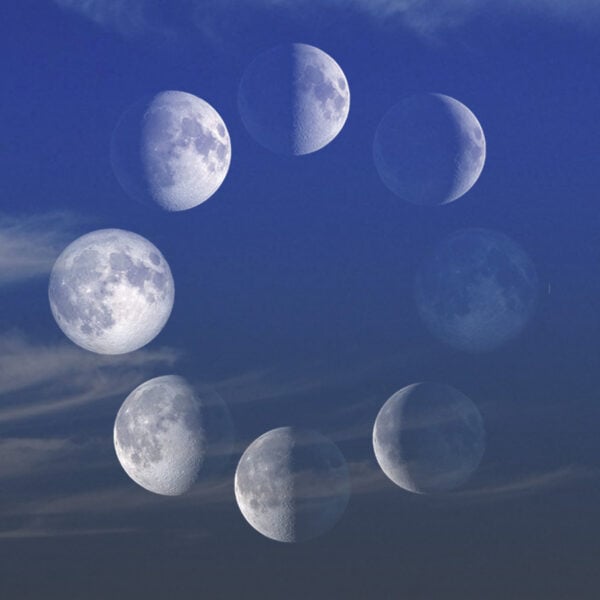
The moon is in its waning gibbous phase on September 3, 2026, at 57% illumination. The Harvest Moon arrives September 26 — the full moon closest to the autumn equinox. This hub
The Moon is in its Waning Gibbous phase at 97 percent illumination on August 29, 2026 — one day after the Sturgeon Moon and a partial lunar eclipse that turned 96 percent of its disk crimson. Tonight it transits from
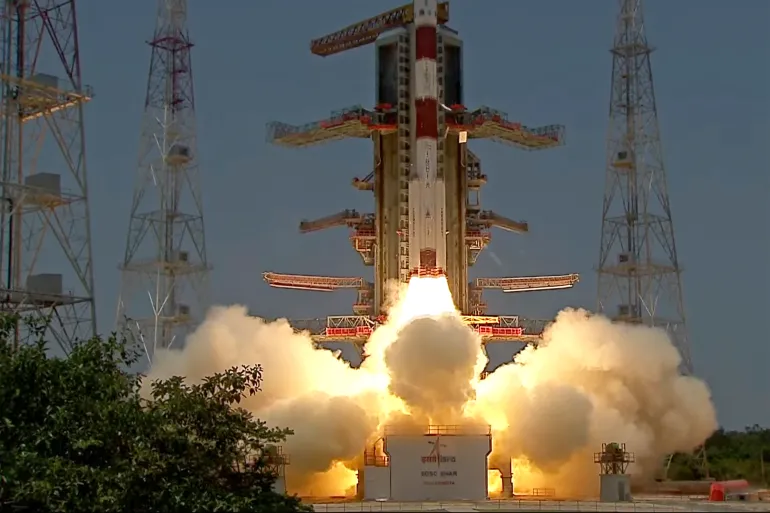
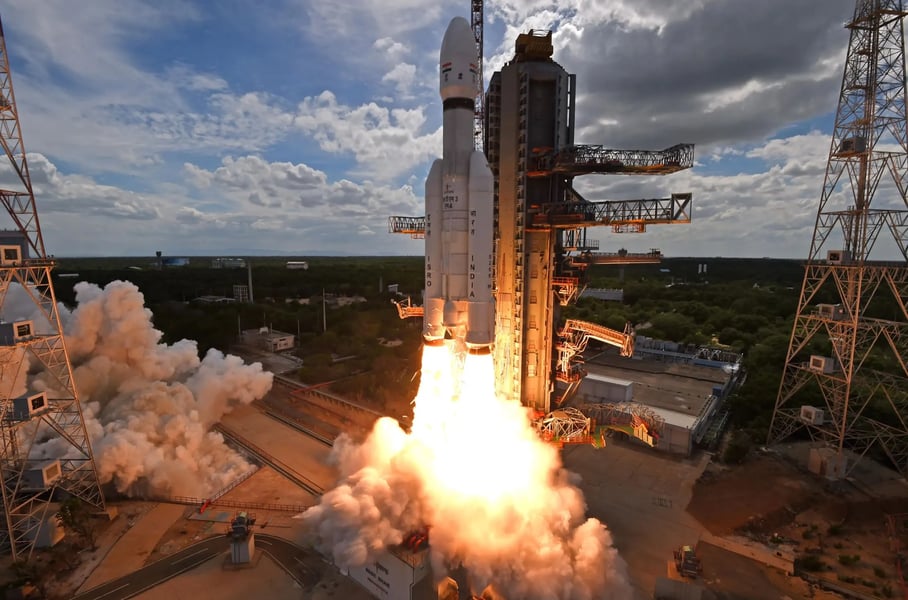
Bengaluru, India – India, aiming to join the elite group of nations that have successfully executed a controlled landing on the moon, achieved a momentous milestone on Friday with the successful launch
A groundbreaking study published in the esteemed scientific journal Nature has unveiled the presence of organic compounds on Mars, hinting at the potential existence of life beyond Earth. However, scientists emphasize that
British astronomers have discovered a rare planetary system in which two planets orbit not one, but two stars at once, like the planet Tatooine from Star Wars. According to scientists, this is
According to the British Daily Mail, only one spacecraft flew by the planet in the 1980s, and there was no similar initiative on Uranus thereafter. But NASA researchers are now able to
A part of the planet Earth was illuminated by a supermoon last night, known as the “Strawberry Moon”, reports Anadolu Agency (AA). It appears when the Moon reaches its nearest point in
Australian scientists say they have mapped a million new galaxies using an advanced telescope in the desert. CSIRO, the national science agency, said its new telescope had created a “new atlas of
Nokia has won a $ 14.1 million NASA contract to deploy the first cellular network on the Moon and lay the foundation for an enduring human presence, both entities report. The space
Astronauts aboard the International Space Station now appear to have found a leak at the space station that has been difficult to detect. The search has been going on for several weeks,
A team of astronomers from the University of Hawaii in the United States has created the world’s largest astronomical 3D catalog, which contains stars, galaxies and quasars, Space Daily reports. To create
Follow