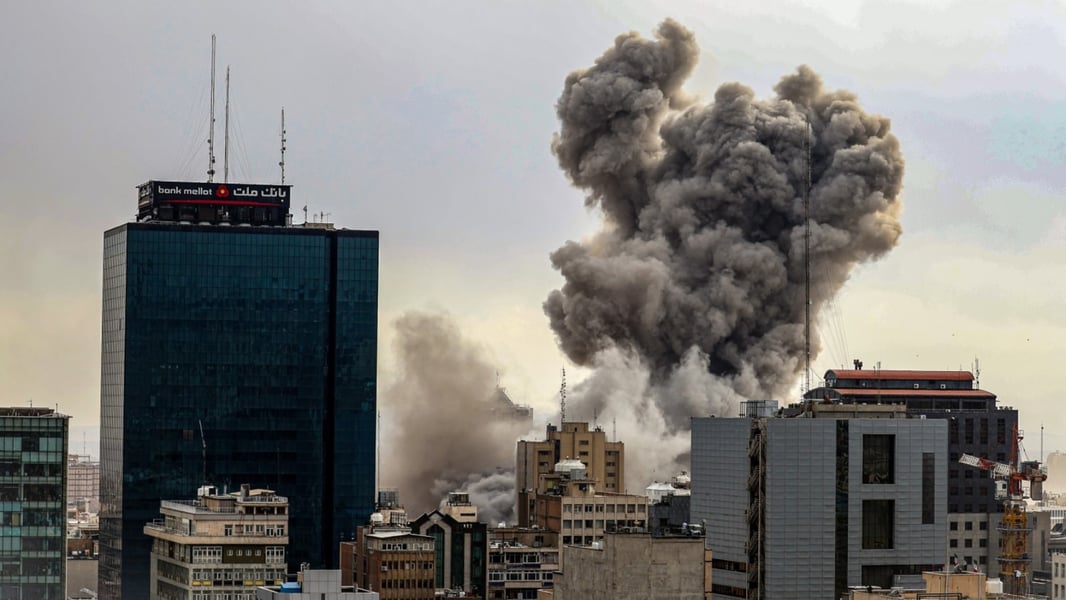

The possibility of the United Arab Emirates entering a direct military confrontation with Iran has triggered alarm across the Middle East, raising fears that the war surrounding Israel and Iran could spill into a broader regional conflict involving Gulf states.
Officials and analysts warn that any military alignment between the UAE and Israel against Iran would likely provoke a strong reaction from Muslim-majority nations and populations across the region, potentially leading to political condemnation, economic retaliation, and consumer boycotts.
The development comes amid escalating hostilities across the Middle East, where Iran’s expanding missile barrage against Israel and its allies has raised fears that the conflict is entering a far more dangerous phase.
Iranian missile and drone operations have increasingly targeted military infrastructure connected to the United States and its regional partners. Tehran has repeatedly insisted that its operations are directed at military facilities rather than civilian populations.
The growing scale of the conflict has heightened fears that Gulf countries may be drawn directly into the war. Security analysts say that if Gulf states such as the UAE were to launch military operations against Iran, the conflict could rapidly evolve into a region-wide confrontation involving multiple governments and armed groups.
Earlier reports even suggested Iran claims destruction of UAE THAAD missile defense system, underscoring the vulnerability of strategic military infrastructure across the Gulf region.
The United Arab Emirates occupies a critical position in the region’s evolving security architecture. Over the past decade, Abu Dhabi has expanded its military capabilities, strengthened partnerships with Western governments, and deepened security cooperation with Israel following normalization agreements.
However, critics across the Muslim world argue that such partnerships could drag Arab governments into conflicts that may not reflect broader public sentiment in the region.
The humanitarian and political consequences of the war have already intensified public anger across many countries. Reports describing the humanitarian crisis in Gaza after Israel shut the Rafah crossing have fueled widespread protests and political condemnation.
Across the Middle East and beyond, global protests erupting after Western military actions against Iran have demonstrated the scale of public anger over the escalating conflict.
Meanwhile, tensions have also spread inside Israel itself, with reports of Israeli residents fleeing cities under Iranian missile strikes highlighting the growing fear among civilian populations as missile exchanges intensify.
The broader economic impact is also becoming visible. Analysts have warned that the conflict could disrupt global energy markets and financial stability. Some reports already point to global markets slumping and oil prices surging amid war fears as tensions continue to rise.
The energy sector remains particularly vulnerable. Production disruptions such as Israel halting production at the Leviathan gas field have already raised concerns about supply shocks.
Meanwhile, analysts warn that oil prices approaching $100 per barrel as the Strait of Hormuz faces threats could become a reality if the conflict spreads further across the Gulf.
The military confrontation has also triggered wider geopolitical tensions. Reports of Iraqi resistance groups warning the US and Israel against escalation highlight how regional militias could become involved if hostilities intensify.
Inside Iran, political uncertainty has also added to the volatility, with reports surrounding the death of former Iranian president Mahmoud Ahmadinejad adding to the complexity of the internal political landscape.
International actors are closely watching the conflict. Reports indicate India denying that US naval forces are using its ports for the war, reflecting the delicate diplomatic balancing many countries are attempting as tensions rise.
Iranian leaders have also warned that the confrontation may continue for an extended period, with statements emphasizing Iran declaring the war will continue until its strategic goals are achieved.
At the center of the dispute remains the long-running controversy surrounding Tehran’s nuclear program and Western accusations. Analysts continue to debate the debate surrounding Iran’s nuclear program and Western accusations as tensions escalate.
The regional confrontation has also drawn global attention. According to Israel launching what it called a pre-emptive strike against Iran, Israeli officials framed their actions as necessary to counter what they describe as growing security threats.
Iranian officials have responded with increasingly sharp warnings, including Iran warning it could target Israel’s nuclear facilities if the war escalates.
Political rhetoric has intensified further with Israeli officials discussing plans to AssasinateIran’s Supreme Leader, a statement that has alarmed many regional observers.
Israeli Prime Minister Benjamin Netanyahu has also acknowledged the potential length of the conflict, with Benjamin Netanyahu saying the war against Iran could take time.
The geopolitical ramifications have drawn criticism from other global powers as well. Moscow has accused Washington and Tel Aviv of expanding the conflict, with Russia accusing the US and Israel of dragging Arab states into a wider Middle East war.
International reactions have continued to evolve as the war intensifies. Reports documenting global reaction to the US and Israeli attack on Iran highlight how governments across the world are calling for restraint.
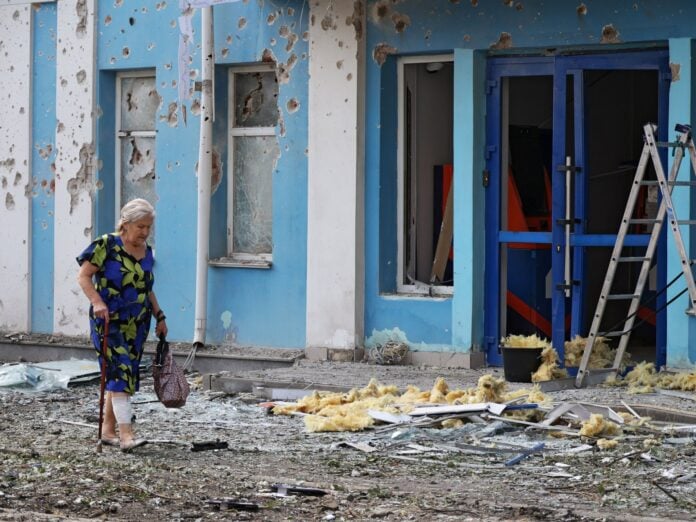
Meanwhile, humanitarian concerns continue to grow after reports of missile strikes hitting civilian areas inside Iran raised fears about the escalating toll of the conflict.
For now, the situation remains fluid. While rhetoric has intensified and military activity has expanded, the precise trajectory of the conflict remains uncertain. Diplomats hope political calculations in Tehran, Tel Aviv, and Gulf capitals will ultimately favor restraint rather than escalation.
Yet analysts caution that the Middle East has entered a volatile phase in which miscalculations or unexpected events could rapidly change the situation. If additional states were to join the confrontation, the geopolitical consequences could extend far beyond the battlefield.