
BANGKOK — Thailand has introduced sweeping energy-saving measures across government institutions as rising global oil prices and geopolitical instability threaten the country’s energy security, prompting authorities to curb fuel consumption and reduce electricity use throughout the public sector.
Prime Minister Anutin Charnvirakul ordered government agencies and state enterprises to begin implementing conservation policies immediately, including allowing civil servants to work from home when their duties do not require physical presence. The directive forms part of a broader strategy to limit fuel demand and stabilize Thailand’s energy system during a period of intense volatility in global oil markets.
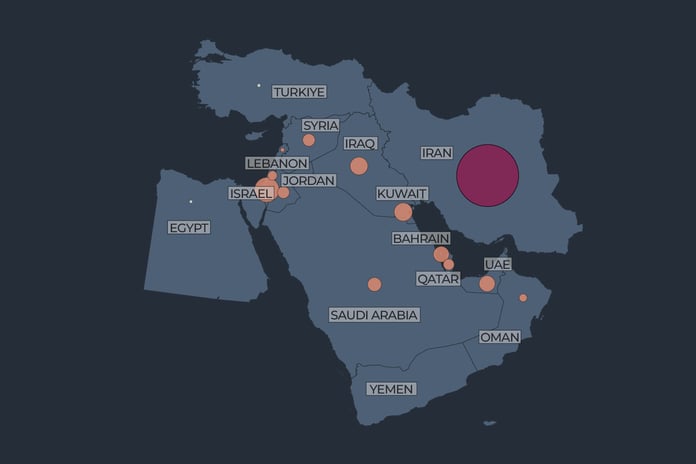
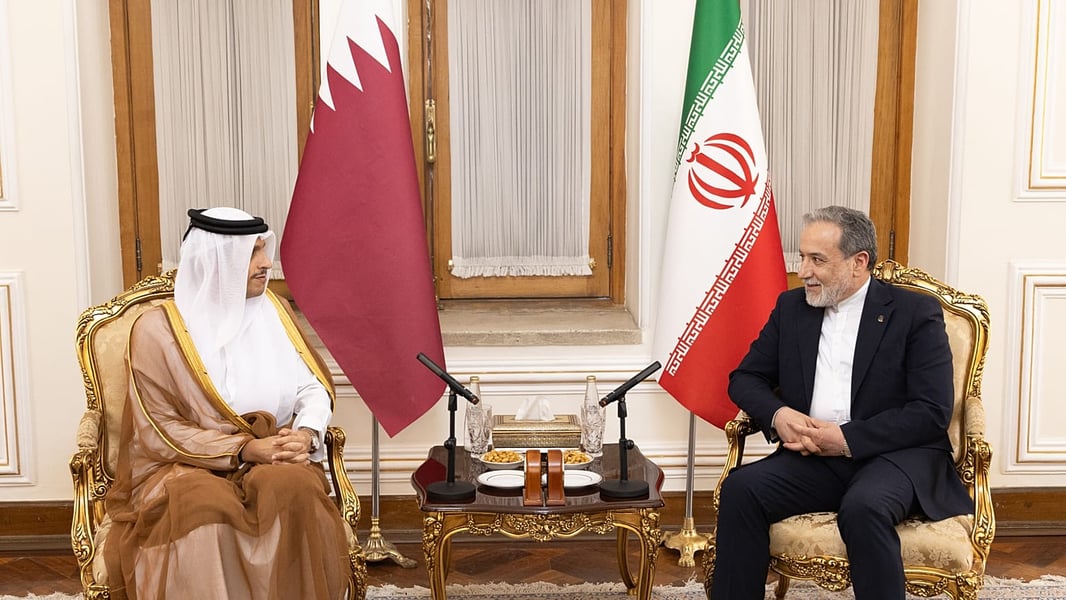
The measures come as energy markets face significant turbulence linked to tensions in the Middle East, a region that supplies a large share of the world’s crude oil. The surge in prices has already shaken global markets, with Brent crude surging past $110 per barrel, underscoring how quickly geopolitical shocks can ripple through energy markets and expose the vulnerability of import-dependent economies.
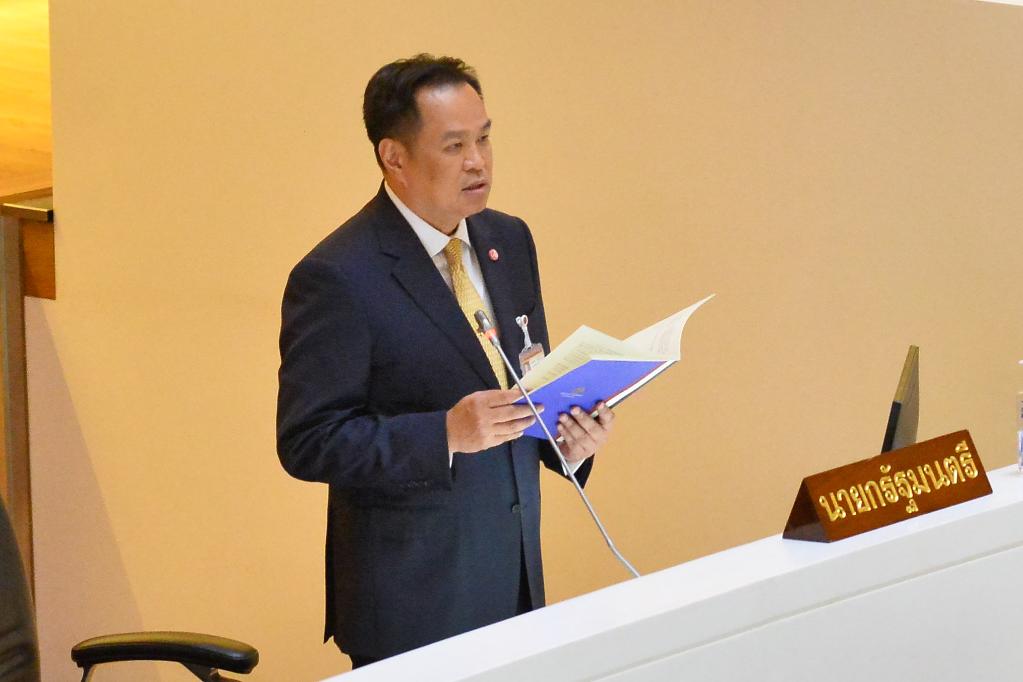
The government has also suspended overseas travel for state employees funded by public budgets. Training programs, academic exchanges and internship opportunities that would normally take place abroad will instead be conducted domestically for the time being.
Officials say these restrictions are designed to conserve fuel and minimize unnecessary energy consumption while global markets remain unstable.
Thailand’s Energy Ministry is simultaneously developing a broader conservation program that may soon introduce additional restrictions on energy use across both public and private sectors. Among the proposals under consideration is a measure requiring gas stations nationwide to close during overnight hours, from 10:00 p.m. until 6:00 a.m., to reduce fuel consumption and manage supply more efficiently.
Authorities have also outlined a series of energy-saving practices for government office buildings. These include raising air-conditioning temperatures to between 26 and 27 degrees Celsius (78 to 80 degrees Fahrenheit), reducing unnecessary lighting, and switching computers and other electronic equipment to power-saving modes when not in use.
Officials are encouraging government employees to adopt lighter clothing in workplaces during Thailand’s hot season, allowing offices to maintain higher temperature settings without sacrificing comfort. Formal business attire such as suits and jackets will be reserved primarily for official ceremonies or high-level meetings.
Elevator use is also being restricted in many government buildings. Employees have been asked to use stairs whenever possible to cut electricity consumption, part of a wider effort that officials say could significantly reduce energy use across large administrative complexes. Similar steps have been reported in international coverage describing how Thailand ordered civil servants to work from home to conserve energy while implementing stricter office-efficiency rules.
Public sector vehicles are also being targeted by the conservation drive. Agencies have been instructed to monitor fuel consumption more closely, promote economical driving practices and encourage car-pooling among civil servants traveling to meetings or official events.
The government is also preparing a nationwide campaign aimed at encouraging households and private businesses to adopt similar conservation measures if the energy situation deteriorates further. State media outlets and social media platforms may be used to promote fuel-saving behavior and raise awareness about the importance of reducing energy demand during periods of supply risk.
Thailand’s efforts to conserve energy come against a backdrop of growing concern about the country’s reliance on imported fuel. The Southeast Asian nation imports the majority of its crude oil, leaving it particularly vulnerable to global price shocks and geopolitical disruptions in key energy-producing regions.
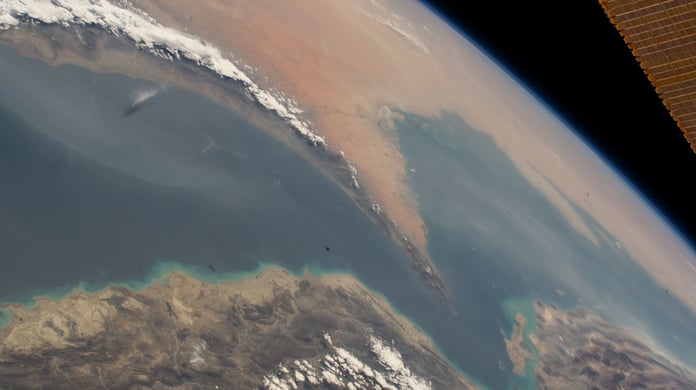
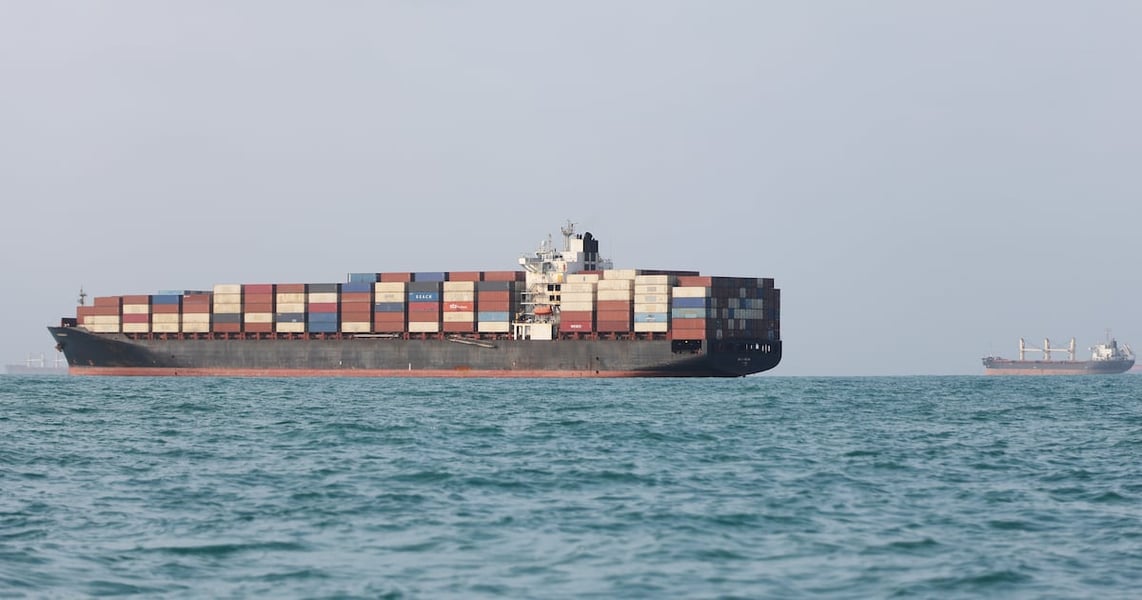
The risk of further disruption has increased amid the widening crisis in the Persian Gulf. Analysts warn that escalating tensions around critical shipping routes could further disrupt supply flows after Iraqi oil production collapsed as Strait of Hormuz war disrupted exports, one of the most significant threats to global energy markets in years.
Officials estimate that Thailand currently consumes roughly 32.7 million gallons of refined oil products per day. Government data indicates that the country holds roughly 2.1 billion gallons in oil reserves, a buffer that could sustain the economy in the short term but still leaves Thailand dependent on continued imports.
Much of the country’s electricity is generated by thermal power plants fueled by natural gas, while a portion is imported from neighboring countries, particularly Laos, where hydroelectric plants along tributaries of the Mekong River contribute power to the Thai grid.
Despite these supply channels, policymakers remain cautious about the potential consequences of prolonged geopolitical instability. Global energy tensions have already triggered warnings that Europe could face a prolonged economic slowdown as energy costs surge, with analysts pointing to Europe’s energy crisis as gas prices surge and undermine industrial competitiveness.
Thailand has therefore begun examining options to diversify energy imports and strengthen long-term energy resilience. Officials are exploring additional liquefied natural gas purchases and considering alternative suppliers in order to reduce exposure to geopolitical disruptions.
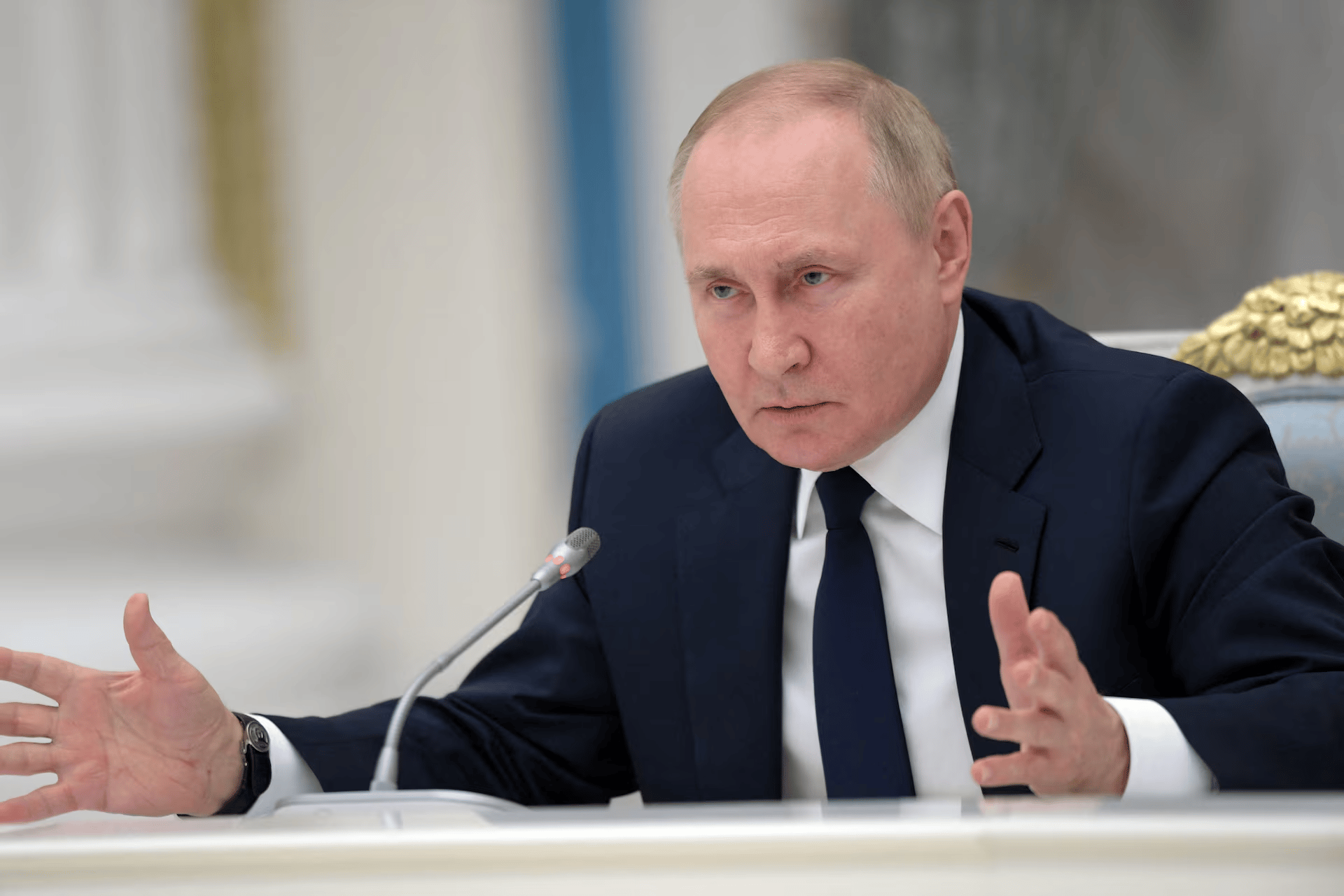
Some analysts believe global competition for energy resources could intensify if conflicts continue to disrupt supply chains. Moscow, for example, has recently signaled it could expand shipments to European markets in response to the crisis, with President Vladimir Putin offering energy supplies during the latest geopolitical escalation in what analysts describe as Putin offering oil and gas to Europe amid global energy shock.
In addition to conservation measures, Thailand’s government is also using financial tools to shield consumers from rapid price increases. Authorities have temporarily capped gasoline and diesel prices through subsidies funded by the National Oil Fund, a mechanism designed to stabilize domestic fuel costs during periods of extreme market volatility.
The subsidy program was introduced earlier this month and is expected to remain in place for about two weeks while officials assess global market developments. Policymakers have not yet decided whether to extend the program once the initial period expires.
For now, authorities say preventive action is necessary to avoid a broader energy crisis.
Across Southeast Asia, governments are closely monitoring developments in the Middle East and preparing similar contingency plans. Many economies in the region rely heavily on imported fuel, making them highly sensitive to price shocks or supply disruptions in global markets.
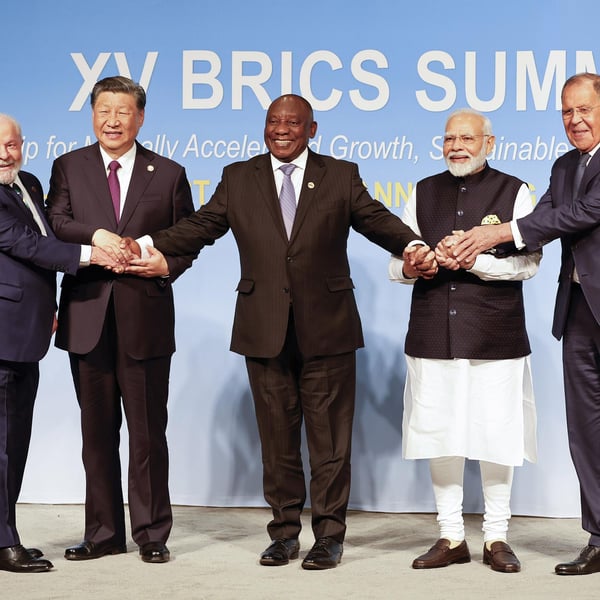
Russian President Vladimir Putin has also signaled that Moscow could help stabilize global energy markets if countries seek long-term cooperation with Russian suppliers. Speaking during a televised meeting with government officials and leaders of Russia’s major oil and gas companies, Putin said Russia remains open to supplying energy to international partners despite the ongoing geopolitical tensions.
“We’re ready to work with Europeans too. But we need some signals from them that they’re ready and willing to work with us and will ensure this sustainability and stability,” Putin said.
Putin’s remarks came as oil prices surged above $100 per barrel amid disruptions linked to the Middle East conflict and concerns over shipping through the Strait of Hormuz, one of the world’s most critical energy transit routes.
Energy analysts say Thailand’s transport sector remains one of the largest consumers of petroleum products, meaning even modest reductions in vehicle use could significantly reduce national fuel demand.
Encouraging remote work, reducing official travel and promoting car-pooling are therefore seen as practical short-term measures that can cut fuel consumption without slowing economic activity.
Officials say the success of the conservation campaign will ultimately depend on cooperation from both government agencies and the broader public.
“The Middle East is the world’s largest energy supplier, and the ongoing conflict is causing constant volatility in global oil prices,” government spokeswoman Lalida Periswiwatana said while outlining the new measures.
Addressing the potential energy crisis, she added, has become a top priority for Thailand’s government as it attempts to safeguard national energy security during one of the most unpredictable periods in global energy markets in recent years.
Related Posts