
The Sudan Civil War, now entering its third year, has evolved into a crisis that defies conventional humanitarian response. What began in April 2023 as a power struggle between the Sudanese Armed Forces and the Rapid Support Forces has spiraled into what international agencies describe as the largest humanitarian disaster in the world.
But beyond the staggering numbers, millions displaced, tens of thousands dead, there is a deeper and more alarming reality unfolding: a complete breakdown of aid delivery and the transformation of healthcare into an active battlefield.
As previously reported in Sudan Civil War worsens as 12 million displaced, the scale of displacement alone reflects a nation collapsing under the weight of war.
A War That Has Outgrown Humanitarian Response
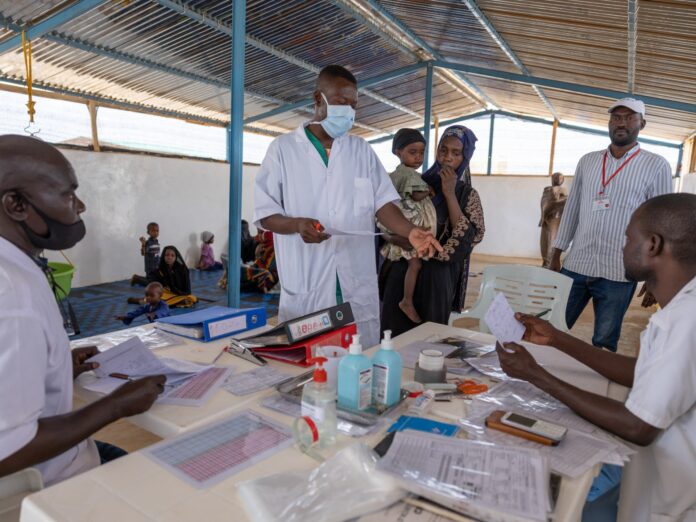
Across Sudan, humanitarian systems are no longer functioning in any meaningful way. Aid agencies face insecurity, looted convoys, and political fragmentation that make coordinated relief nearly impossible.
The crisis is compounded by what analysts describe as aid collapse and rising humanitarian crisis, where food shortages and famine risks are no longer theoretical but widespread.
Healthcare Under Direct Attack
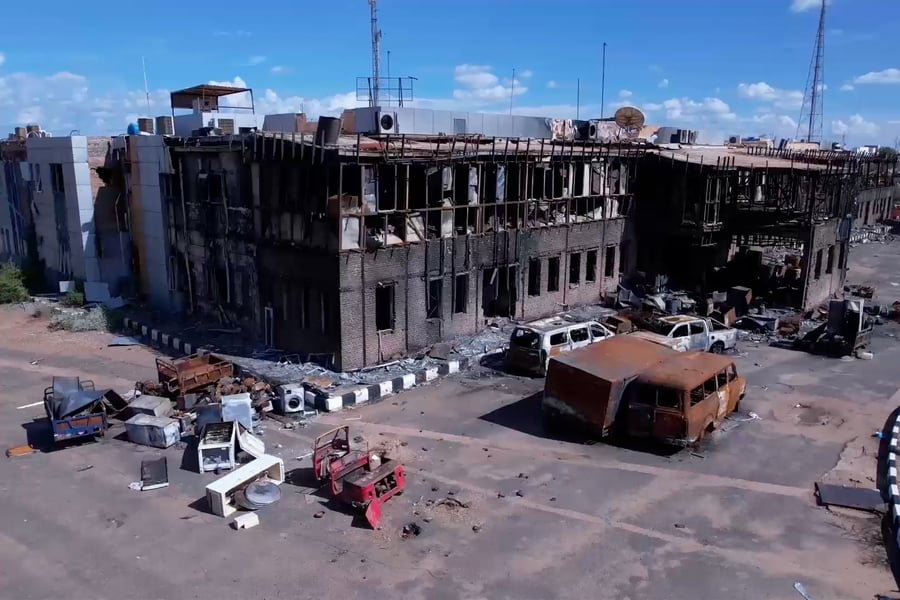
The most disturbing aspect of the Sudan Civil War is the systematic targeting of medical infrastructure. Hospitals, clinics, and healthcare workers are no longer protected spaces.
According to international health authorities, over 214 attacks on healthcare facilities have been verified, resulting in more than 2,000 deaths and hundreds of injuries.
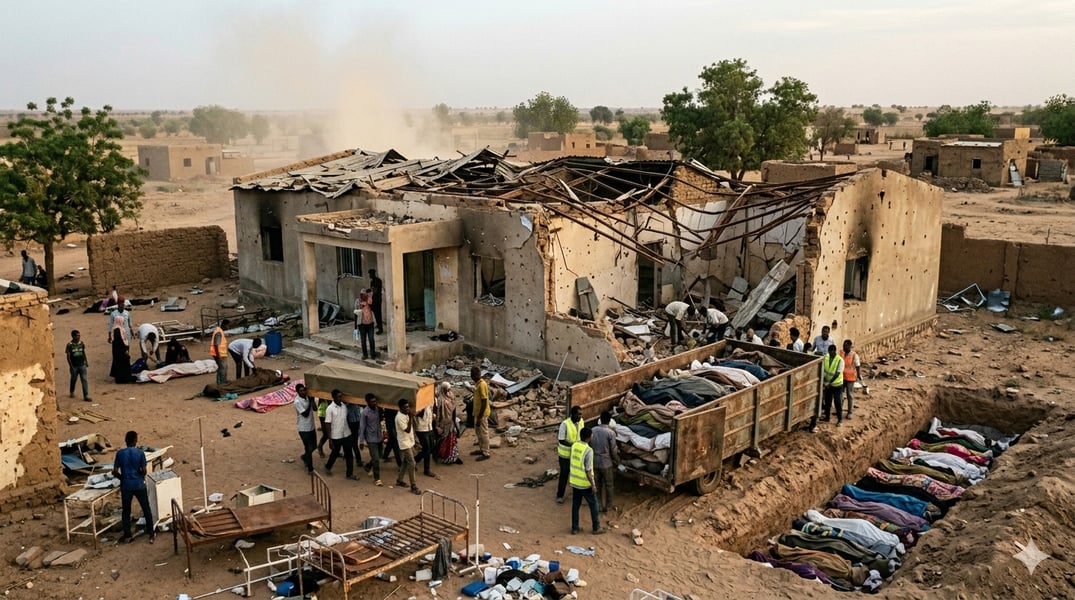
Recent incidents illustrate the scale of the destruction. A major strike on a hospital in Darfur resulted in dozens of deaths, including women, children, and medical staff, rendering the facility completely non-functional.
These attacks on hospitals killing civilians and medical staff have become a defining feature of the war.
In another case, drone strikes on healthcare facilities during immunization campaigns killed medical workers and patients, including children receiving vaccinations.
Further investigations suggest the deliberate targeting of hospitals raises war crime concerns, as strikes appear increasingly precise and systematic.
Reports also confirm hospital strikes killing children and destroying medical services, further exposing the erosion of international humanitarian norms.
This aligns with earlier reporting from economic collapse and gold-driven war economy, which has exacerbated shortages of medicines and medical supplies across the country.
Civilians Trapped in Relentless Violence
The war’s toll on civilians continues to deepen. Drone strikes, artillery shelling, and targeted violence have turned urban centers and rural مناطق alike into zones of constant خطر.
Reports of systematic sexual violence used as a weapon of war highlight the brutality of the conflict, particularly in Darfur, where thousands of cases have been documented. :contentReference[oaicite:4]{index=4}
These patterns echo earlier warnings detailed in systematic sexual violence and genocide warnings, pointing to a conflict that is increasingly defined by atrocities against civilians.
Meanwhile, drone strikes on civilian areas continue to expand the Al-Harb’s reach, with markets, transport routes, and shelters frequently hit.
A Collapsing State and Fragmented Power
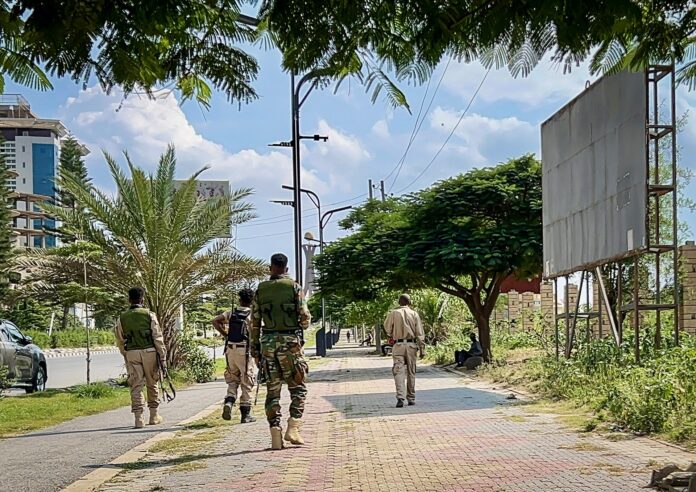
The internal dynamics of the war have further complicated any resolution. Leadership changes, shifting alliances, and competing military strategies have deepened instability.
Recent developments, including military shakeup and escalation of war, underscore the volatile nature of the conflict.
At the same time, foreign involvement shaping the conflict has added another layer of complexity, raising concerns about regional spillover and prolonged instability.
Why the World Is Failing to Respond
Despite the масштаб of the crisis, Sudan remains largely overlooked on the global stage. Diplomatic efforts have stalled, and funding gaps continue to limit humanitarian operations.
This perceived indifference is reflected in Western failure and lack of response, where international engagement has fallen short of the urgency required.
Meanwhile, the broader collapse of healthcare system amid ongoing conflict is now being described as irreversible in many regions.
Experts warn that unless there is a significant shift in global priorities, Sudan risks becoming a prolonged crisis with consequences extending far beyond its borders.
A War Redefining Humanitarian Limits
The Sudan Civil War is no longer just a conflict, it is a test of the global humanitarian system itself. Traditional models of aid, built on access and neutrality, are collapsing under the realities of modern warfare.
With over 2,000 deaths linked to attacks on healthcare facilities, the line between civilian protection and military targeting has all but disappeared.
As the conflict continues, Sudan stands as a stark warning: when aid systems fail and hospitals become targets, the consequences are measured not just in statistics, but in the collapse of an entire society.