The death toll from Israeli airstrikes across Lebanon climbed to 303 on Wednesday, according to the Lebanese Health Ministry, marking one of the deadliest days in the country in decades and sharply intensifying fears of a wider regional war.
Officials said at least 1,150 people were injured, with the figures expected to rise as rescue workers continue to search through rubble in Beirut and other heavily targeted areas. The scale and speed of casualties have overwhelmed hospitals and emergency services already strained by weeks of conflict.
The escalation is dominating global headlines alongside fragile ceasefire developments unfolding across the Middle East.
A devastating escalation in minutes
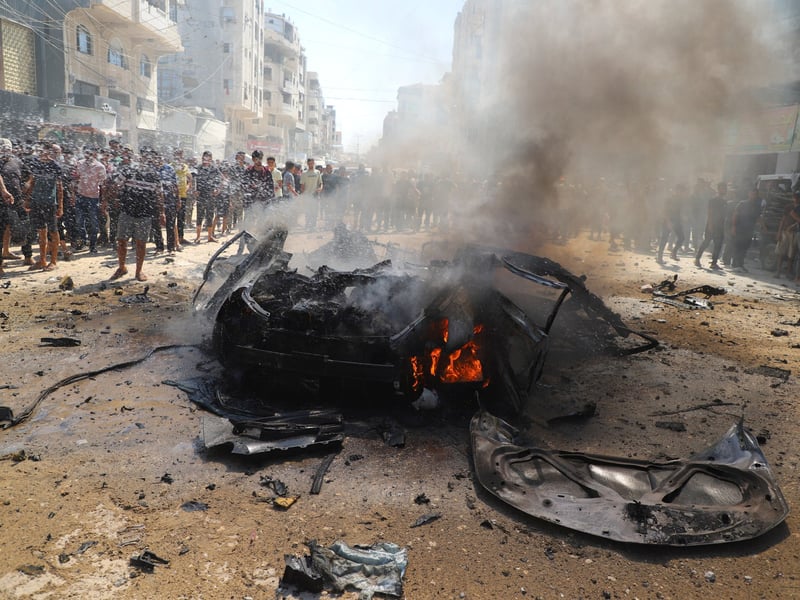
The latest toll reflects a sharp increase from earlier counts reported just hours after the strikes, when fatalities were estimated in the mid-200s. The bombardment, described as one of the deadliest bombardments in Lebanon since the civil war, struck more than 100 locations, including densely populated neighborhoods in Beirut.
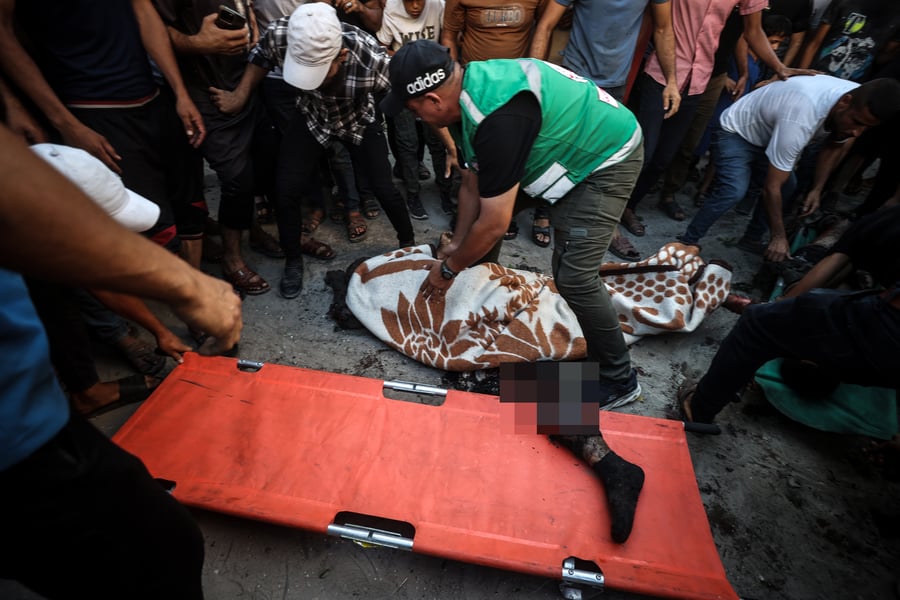
Medical personnel described scenes of chaos, with ambulances struggling to reach impacted areas while hospitals faced an influx of critically wounded civilians. Lebanon’s already fragile healthcare system is nearing collapse, with the healthcare system overwhelmed and supplies expected to run out within days, according to the World Health Organization.
Strikes amid fragile ceasefire diplomacy
The strikes come at a volatile moment, unfolding just as a U.S.-Iran ceasefire was announced. However, Israel has maintained that its operations against Hezbollah are not covered by the truce, a position that has triggered sharp international disagreement and raised concerns about a breakdown in diplomacy.
Israeli officials say the campaign targets Hezbollah command centers and infrastructure, part of a broader strategy to weaken the Iran-backed group. Yet Lebanese authorities and witnesses say many of the strikes hit civilian areas.
The United Nations condemned the attacks, calling the civilian toll “appalling” and urging an independent investigation into potential violations of international humanitarian law.
Dozens of countries have also condemned attacks on UN peacekeepers, warning that such actions could constitute war crimes and demanding accountability.
A region on the brink
The bombardment has not only intensified the humanitarian crisis in Lebanon but also threatened to derail fragile diplomatic efforts aimed at containing a broader regional war.
Analysts say the strikes may be linked to efforts to influence the trajectory of ceasefire negotiations, with tensions escalating despite ongoing talks. Reports indicate the offensive could further destabilize already fragile agreements.
Meanwhile, Israeli leadership has signaled that military operations will continue. In parallel, reports suggest Israel has intensified its campaign targeting Hezbollah leadership, including high-level figures in Beirut.
Civilian toll and humanitarian collapse
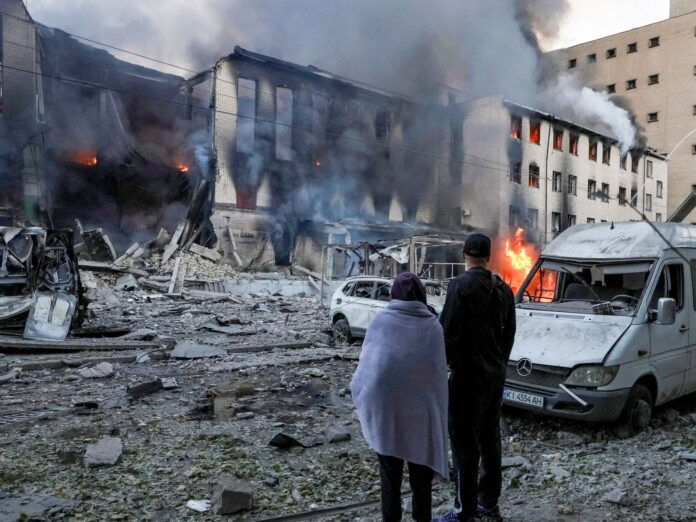
On the ground, the consequences have been devastating. Entire residential blocks have been reduced to rubble, and thousands of families have been displaced overnight.
Emergency responders continue to search for survivors beneath collapsed structures, often working without adequate equipment. Hospitals have set up emergency triage zones, while morgues struggle to handle the rising number of fatalities.
The humanitarian situation has deteriorated rapidly, with over a million people displaced since the conflict intensified in March, further straining Lebanon’s already fragile infrastructure.
Strategic calculations and rising risks
The scale and timing of the strikes suggest a calculated escalation aimed at degrading Hezbollah’s capabilities at a critical moment in regional diplomacy.
Hezbollah has responded with renewed rocket fire toward northern Israel, signaling that the cycle of escalation is far from over. The conflict is increasingly evolving into a multi-front confrontation, raising fears of a broader Middle East war.
Earlier developments have already highlighted how regional war dynamics are expanding beyond traditional battle lines, drawing in multiple actors.
Uncertain path ahead
As casualty figures continue to rise, the fragile diplomatic framework surrounding the ceasefire faces its most serious test yet. Global leaders have called for an immediate halt to hostilities and urged for Lebanon to be included in any comprehensive truce.
Warnings from international leaders, including concerns over a fragile ceasefire, highlight the growing risk of a wider regional breakdown.
Meanwhile, tensions continue to mount over alleged violations of commitments ahead of negotiations, with diplomatic accusations adding further strain to already fragile talks.
For civilians caught in the conflict, however, the immediate reality remains stark: survival amid relentless airstrikes, collapsing infrastructure, and a healthcare system on the brink.
Whether international pressure can halt the violence, or whether the region slides further into war, remains an open and urgent question.