
The WhatsApp messages stretched into the thousands. Senior officials traveled together, socialized together and, according to Australia’s anti-corruption watchdog, may have quietly built a network of influence inside one of the country’s fastest-growing city councils.
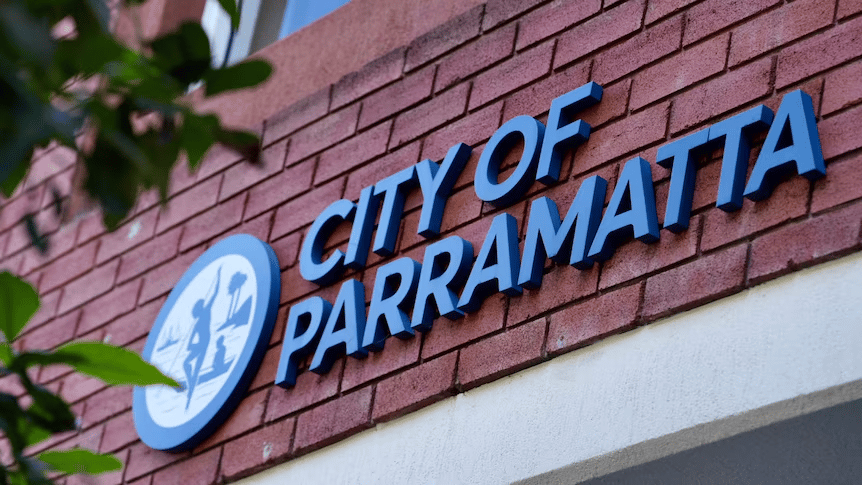
What investigators have now labeled the “Pink Ops” scandal is rapidly becoming one of the most explosive local government corruption inquiries Australia has faced in years, exposing allegations of covert surveillance, loyalty-based hiring, retaliation against perceived enemies and the misuse of public funds inside the City of Parramatta Council in western Sydney.
At the center of the inquiry is Gail Connolly, the former chief executive of Parramatta Council, along with senior officials Roxanne Thornton and Angela Jones-Blayney, all of whom are accused of helping cultivate what prosecutors described as a tightly connected inner circle that blurred the line between professional administration and personal allegiance.
The Independent Commission Against Corruption, known in Australia as ICAC, opened public hearings Monday under what it calls Operation Navarra, a sweeping investigation into whether council officials manipulated recruitment systems, improperly surveilled staff and used taxpayer money to remove employees viewed as obstacles to their authority.
In opening submissions that painted a portrait of an institution consumed by mistrust and factionalism, counsel assisting the commission Joanna Davidson SC alleged that the “Pink Ops” group operated with extraordinary internal influence, reward allies while isolating critics.
This inquiry, Davidson said, is examining whether official systems and confidential information were weaponized “to reward allies and remove critics or perceived opponents.”
The allegations have stunned observers in Australia’s local government sector not simply because of their scale, but because they suggest an organized internal culture that allegedly extended across years and multiple councils.
Investigators said Connolly, Thornton and Jones-Blayney had previously worked together at Ryde Council and maintained close personal ties through social gatherings, private communications and encrypted WhatsApp chats under names including “Pink Ladies” and “Pink Ops,” terminology prosecutors said was modeled on the phrase “Black Ops.”
According to the inquiry, the relationships themselves were not unlawful. What investigators are examining is whether those relationships later evolved into a system of preferential treatment and reprisal once Connolly took control of Parramatta Council in 2023.
The inquiry heard that almost immediately after Connolly’s appointment, divisions emerged within the council between those considered loyal to the new administration and those viewed as hostile or politically inconvenient.
What followed, according to prosecutors, was a campaign of internal restructuring that allegedly favored allies while pressuring opponents out of the organization.
Investigators allege recruitment criteria were altered to facilitate the hiring of preferred candidates. One executive position reportedly had a law-degree requirement removed before Thornton secured the role. In another case, the inquiry heard that interview questions may have been provided in advance to favored applicants.
The hearings also examined whether conflicts of interest were intentionally concealed during hiring decisions involving friends and associates connected to the “Pink Ops” circle.
But it was the allegations of targeted electronic surveillance and retaliation that transformed the hearings from a bureaucratic corruption inquiry into a broader debate about power, transparency and fear inside Australian public institutions.
ICAC alleges council systems and confidential information were used to conduct targeted electronic surveillance against staff members and at least one elected councillor.
Among those reportedly scrutinized was Councillor Kellie Darley, who had opposed a controversial sponsorship proposal involving the Parramatta Eels rugby league club. Prosecutors allege officials later accessed her emails as part of internal reprisals.
The inquiry also heard allegations that anonymous workplace complaints were used as a basis for electronic monitoring of employees, including searches of emails and Microsoft Teams communications.
Davidson said investigators would examine whether those actions represented legitimate administrative processes or constituted a dishonest use of public office for personal advantage and retaliation.
For many watching the hearings, the emotional centerpiece of the first day came from former executive director Bernadette Cavanagh, who described the personal toll of the internal conflict.
Cavanagh told the inquiry she believed her position became untenable after she raised concerns linked to Connolly’s appointment. Fighting back tears, she described mounting stress, fear over job security and the emotional burden of navigating workplace pressure while grieving the death of her father.
Her testimony offered a rare public glimpse into what several witnesses characterized as a toxic workplace culture that allegedly spread throughout sections of the council administration.
The inquiry is also scrutinizing the use of confidential “deeds of release,” settlement arrangements used to facilitate employee departures.
According to evidence presented before the commission, Parramatta Council spent more than AU$5.2 million removing 81 staff members between January 2022 and May 2025. Investigators are examining whether some of those departures were improperly motivated or linked to broader efforts to consolidate internal control.
The scale of the allegations has intensified public debate over Australia’s widening institutional accountability crisis, particularly within local governments that increasingly oversee billion-dollar development projects, infrastructure spending and urban planning decisions with limited public scrutiny.
Parramatta, often described as Sydney’s “second CBD,” has become one of Australia’s most strategically important urban growth corridors. That status has elevated the political and financial influence of the council now at the center of the scandal.
The hearings have also reignited broader questions about governance standards inside Australian public institutions, where anti-corruption bodies have repeatedly uncovered misconduct involving senior officials, ministers and local authorities over the past decade.
Observers say the scandal now joins a growing list of global corruption scandals that have eroded public confidence in political and administrative systems.
The inquiry has also drawn comparisons with other international cases involving bribery, corruption and money laundering allegations tied to powerful institutional networks.
Connolly, whose annual salary reportedly exceeded AU$500,000, was dismissed by Parramatta Council in October last year. She has denied wrongdoing.
Thornton and Jones-Blayney have not publicly responded in detail to the allegations aired during the opening hearings. Parramatta Council has said it will not comment while the ICAC proceedings continue.
The inquiry is expected to continue for four weeks, with additional witnesses, internal communications and recruitment records likely to come under scrutiny.
Outside the hearing room Monday, the scandal was already rippling through Australia’s political and media landscape, fueled by public fascination with the secretive “Pink Ops” network and the extraordinary portrait emerging of a council administration allegedly governed as much by personal loyalty as public duty.