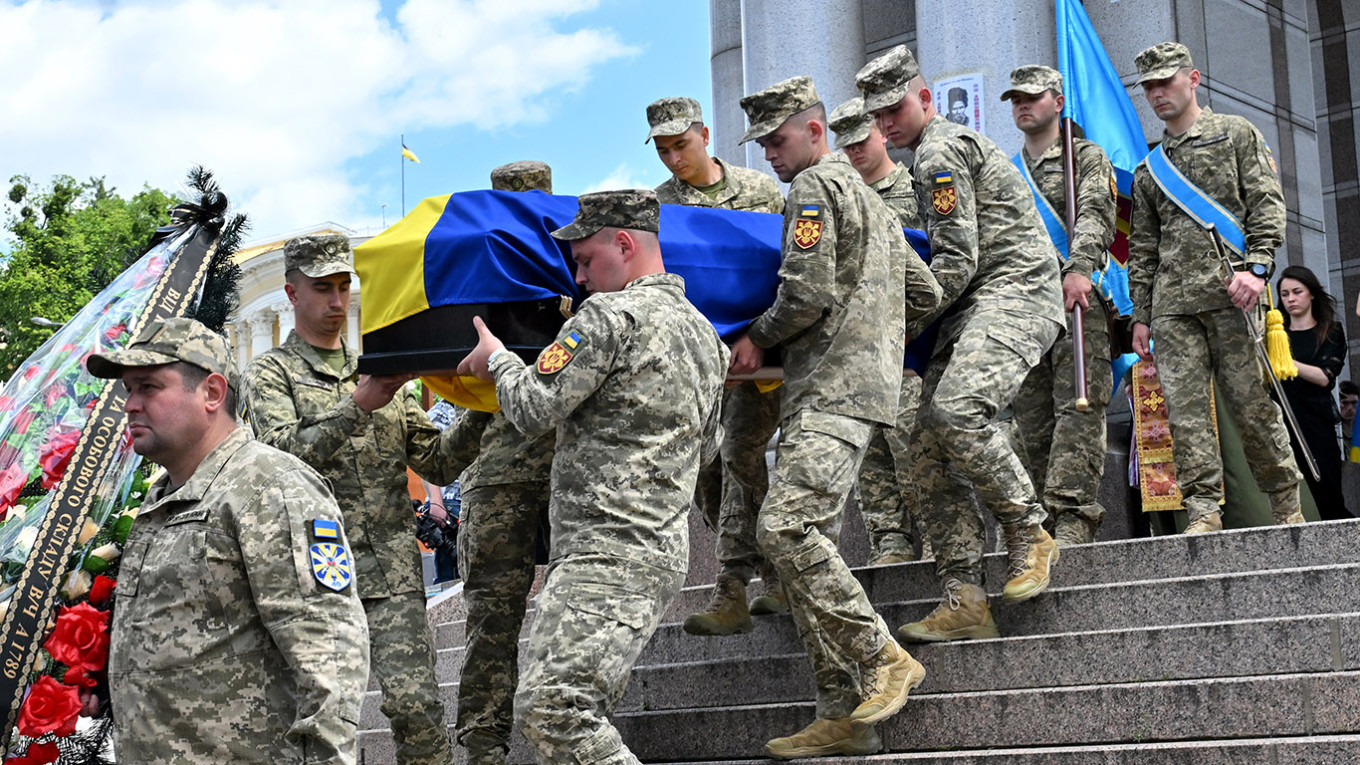

Russia and Ukraine carried out another large-scale exchange of fallen soldiers on Friday, underscoring the devastating human toll of a conflict that has now entered its fifth year. According to an informed source cited by Russian state media, Moscow transferred the bodies of 526 Ukrainian servicemen to Kiev, while Russia received the remains of 41 Russian soldiers from the Ukrainian side.
The exchange represents one of the few areas where communication between Moscow and Kiev continues despite intense fighting across multiple front lines and the near-collapse of broader peace negotiations.
The latest repatriation operation coincided with a new prisoner swap agreement between the two sides. Earlier on Friday, Russia and Ukraine exchanged 205 prisoners of war each in a deal reportedly mediated with the involvement of the United Arab Emirates and linked to wider temporary ceasefire initiative.
Officials from both countries have increasingly relied on humanitarian channels between Moscow and Kiev to manage the exchange of prisoners and the return of bodies recovered from battle zones. While negotiations on a comprehensive settlement remain stalled, these humanitarian arrangements have continued with relative regularity throughout the war.
The return of military remains has become a grim but recurring feature of the Russia-Ukraine conflict. In April 2026, Russia transferred 1,000 bodies believed to belong to Ukrainian soldiers, while Kiev returned 41 Russian bodies in exchange.
Russian officials have repeatedly pointed to the imbalance in the number of returned bodies as evidence of what Moscow describes as disproportionately heavy Ukrainian battlefield losses. Ukrainian authorities, however, rarely comment publicly on casualty comparisons and instead focus on the identification process and support for families of missing servicemen.
For Ukraine, the repatriation process has evolved into a massive forensic and humanitarian operation. Thousands of bodies returned from combat zones require DNA analysis and verification before families can receive official confirmation. Investigations by international media have documented the severe logistical pressures facing Ukrainian forensic centers tasked with identifying soldiers recovered from the battlefield.
Many of the dead soldiers exchanged in previous operations were reportedly recovered from some of the war’s bloodiest battlefields, including the Donbas region, Kharkiv sector, southern Ukraine, and areas connected to the long-running fighting near former frontline strongholds such as Mariupol.
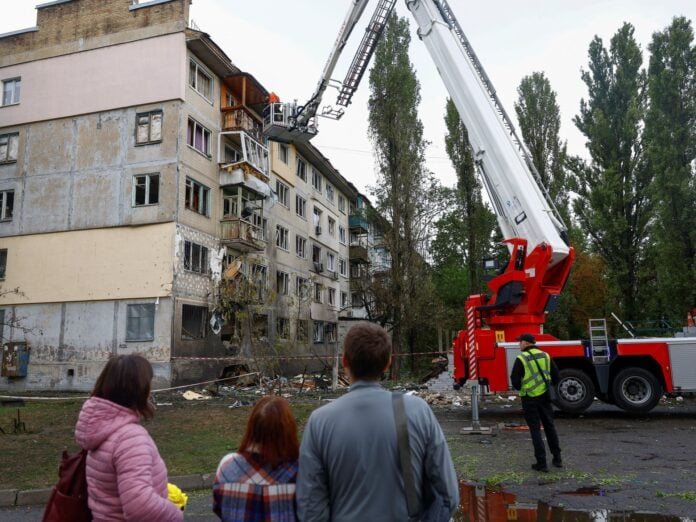
The humanitarian exchanges are taking place against the backdrop of escalating military activity. Russia and Ukraine have continued large-scale drone and missile strikes in recent weeks, with both sides accusing each other of targeting civilian infrastructure and residential areas.
Despite deep hostility between Moscow and Kiev, prisoner exchanges remain one of the few functioning diplomatic mechanisms between the two sides. Analysts say these arrangements are likely to continue regardless of the status of broader diplomatic talks because of mounting humanitarian pressure from families of missing soldiers.
Since large-scale exchanges began in 2025, Russia has reportedly handed over more than 12,000 bodies to Ukraine while receiving only a fraction of that number in return, according to Russian officials cited in earlier reports.
The International Committee of the Red Cross and intermediary states, particularly the United Arab Emirates, have played a recurring role in facilitating humanitarian mediation efforts between the two countries.
While Friday’s exchange offered another rare example of limited cooperation amid war, it also served as a stark reminder of the mounting casualties produced by one of Europe’s deadliest military conflicts in decades.
—Inputs from Sputnik.