
Washington intensified its rhetoric against Tehran on Sunday after US President Donald Trump warned that “the clock is ticking” for Iran, while Saudi Arabia and the United Arab Emirates reported new drone incidents that have deepened fears of a broader regional war across West Asia.
The rapidly escalating crisis is now sending shockwaves far beyond the battlefield. Global oil traders, shipping insurers, energy analysts, and financial markets are increasingly bracing for a prolonged confrontation that could destabilize the Gulf, disrupt maritime trade corridors, and reignite worldwide inflation pressures.
Trump’s latest warning came through a sharply worded social media statement in which he suggested Tehran was running out of time to reach an agreement with Washington.
“For Iran, the Clock is Ticking,” Trump wrote, warning that there “won’t be anything left” if negotiations fail to move forward quickly.
The remarks marked one of the strongest public threats issued by Washington since the current phase of the Iran conflict intensified earlier this year following US and Israeli military operations against Iranian targets. The language immediately fueled speculation that the White House could be preparing additional military measures if indirect negotiations fail to produce a breakthrough.
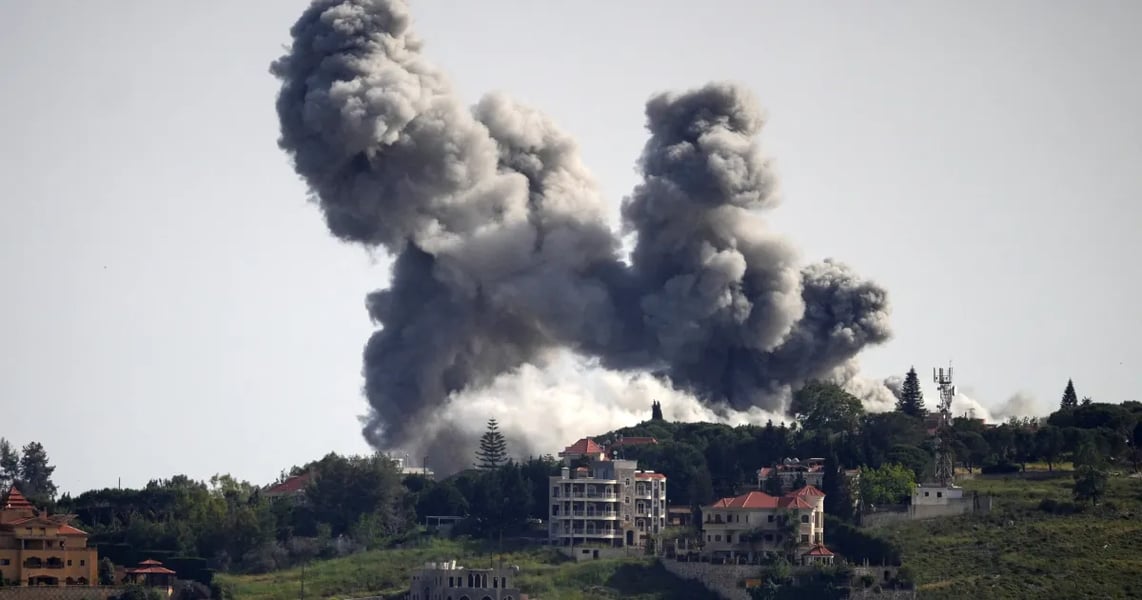
At nearly the same time, Gulf security concerns escalated dramatically after UAE authorities reported a drone strike near the Barakah nuclear power facility. Emirati officials said the incident caused a fire near external infrastructure connected to the site, though they stressed there were no radiation leaks or casualties.
According to the UAE Defense Ministry, three drones entered the country’s western airspace, with two intercepted before impact. Saudi Arabia also confirmed that its air defenses intercepted multiple drones amid elevated alert levels.
The UAE publicly blamed Iran or groups aligned with Tehran for the incident, calling the strike a dangerous escalation against critical infrastructure in the Gulf. Iranian officials have not formally accepted responsibility for the attacks.
The developments have intensified fears that the conflict is expanding beyond direct confrontation zones and increasingly targeting strategic economic assets, particularly energy infrastructure and maritime trade corridors connected to the Strait of Hormuz crisis. Analysts warn that even limited disruptions in the Gulf could trigger major consequences for global supply chains and energy prices.
Oil prices climbed sharply as investors reacted to the possibility of deeper instability across one of the world’s most important energy-producing regions. Market analysts noted growing concern that any escalation involving Gulf shipping routes could rapidly affect inflation, freight costs, and global oil markets already under strain from previous geopolitical crises.
The Strait of Hormuz remains at the center of strategic calculations. Roughly one-fifth of global oil shipments move through the narrow waterway, making it one of the world’s most sensitive geopolitical choke points. Earlier phases of the conflict had already led to military tensions and temporary disruptions involving shipping traffic in the region.
Despite the increasingly hostile rhetoric, indirect diplomatic contacts between Tehran and Washington appear to remain active. Iranian officials confirmed that communications with the US are continuing through Pakistani mediation efforts.
Iran’s Foreign Ministry spokesperson said Tehran had responded to recent American proposals through Islamabad, underscoring Pakistan’s role as an intermediary amid the deteriorating regional security environment.
However, diplomatic progress appears limited. Reports from multiple international outlets suggest fragile negotiations remain deadlocked over military de-escalation, sanctions, and regional security guarantees.
The crisis has also reignited scrutiny over the broader US strategy in the Middle East. Critics argue Washington’s increasingly aggressive posture toward Tehran risks pushing the region closer to a wider confrontation involving Gulf monarchies, Israel, and Iran-aligned armed groups operating across Iraq, Lebanon, Syria, and Yemen.
Regional tensions have already produced repeated drone and missile incidents throughout recent months. Saudi Arabia, the UAE, and American military facilities across the Gulf have remained on elevated alert amid fears of retaliatory attacks linked to the ongoing conflict.
The International Atomic Energy Agency has meanwhile expressed concern over threats involving nuclear infrastructure following the Barakah incident. Although Emirati officials confirmed no radioactive contamination occurred, international observers warned that attacks near civilian nuclear facilities represent a dangerous escalation that could destabilize the entire region.
The growing crisis is also becoming a major political issue inside the United States, where concerns are mounting over the possibility of deeper military involvement in another prolonged Middle Eastern conflict. Trump is reportedly expected to hold additional consultations with national security advisers regarding options related to Iran and Gulf security.
Meanwhile, across the Middle East, governments are racing to strengthen air defenses and prepare contingency plans for potential attacks on infrastructure, airports, ports, and energy facilities.
For financial markets, the immediate concern remains oil.
Energy traders fear that continued escalation could send crude prices sharply higher if shipping traffic through the Gulf is disrupted or if major production infrastructure becomes directly targeted. Economists also warn that a prolonged crisis could reignite inflationary pressures globally at a time when many economies are still struggling with high borrowing costs and fragile recovery conditions.
The political symbolism of Trump’s “clock is ticking” warning also carries major strategic implications. The phrase signals growing impatience in Washington while simultaneously increasing pressure on Tehran during already fragile negotiations.
Whether the latest escalation leads to renewed diplomacy or wider military confrontation may now depend on what happens in the Gulf over the coming days.