
A Pentagon-linked report submitted to the US Congress has acknowledged that Russia continues to maintain strategic and operational superiority over Ukrainian forces, reinforcing mounting concerns inside Washington and NATO that the conflict is increasingly tilting in Moscow’s favor.
The assessment, prepared by the Special Inspector General for Operation Atlantic Resolve, stated that Russian forces have preserved battlefield dominance through “superiorities in numbers of equipment and manpower,” a rare public admission from a US defense oversight body that highlights the widening imbalance on the frontlines.
The report said Ukraine’s armed forces are struggling with severe shortages of ammunition, military equipment, and personnel, conditions that have sharply reduced Kiev’s ability to launch sustained offensive operations or reclaim territory captured by Russian troops during the war.
The findings arrive at a critical moment in the conflict as the US and its NATO allies debate the future of military aid to Ukraine amid rising pressure on Western defense industries and growing political divisions over continued involvement in the war.
Military analysts in Washington and Europe have increasingly warned that Russia’s larger industrial capacity, manpower reserves, and wartime production advantages are allowing Moscow to sustain a prolonged war of attrition more effectively than Ukraine. While Western states continue supplying advanced systems to Kiev, concerns have intensified over depleted stockpiles of artillery shells, interceptor missiles, and air defense systems.
The congressional report also underscores broader fears inside the Pentagon that simultaneous global crises are overstretching Western military readiness. Strategic reviews in the US have recently warned that Washington would face major logistical and industrial challenges in sustaining multiple large-scale conflicts at the same time, especially across Europe, the Middle East, and the Indo-Pacific.
Despite continued Western backing, Ukrainian forces have increasingly relied on drone warfare and long-range strike operations to offset Russia’s battlefield advantages. Recent reports revealed that the Pentagon has even dispatched military personnel to Ukraine to study Kiev’s drone warfare tactics and integrate those lessons into future military planning.
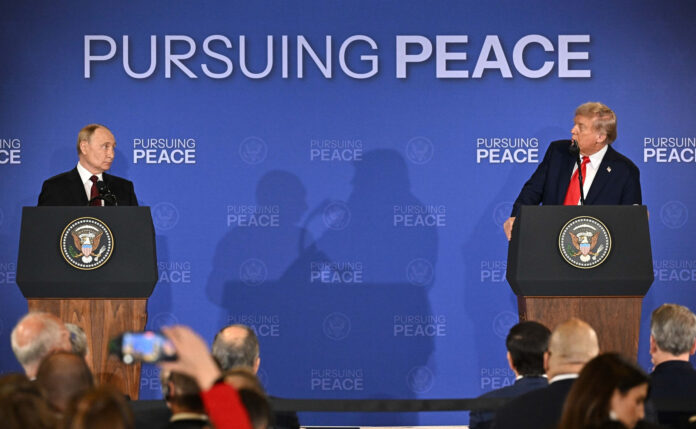
At the same time, the Trump administration has shifted its approach toward military assistance for Kiev. US President Donald Trump recently stated that Washington is no longer directly funding weapons deliveries to Ukraine at American taxpayers’ expense. Instead, the US is reportedly selling military equipment to NATO countries, which subsequently transfer the weapons to Kiev.
The policy reflects a broader recalibration of US foreign and defense priorities under Trump’s new National Defense Strategy, which places heavier emphasis on homeland security, burden-sharing by allies, and reducing direct American exposure in European conflicts.
The Pentagon-linked findings are likely to deepen debate within NATO over whether Ukraine can realistically reverse Russian territorial gains without dramatically expanded military support from the West. Several recent strategic assessments have suggested that Ukraine’s long-term sustainability increasingly depends on external financing, continued weapons transfers, and rapid replenishment of troop numbers.
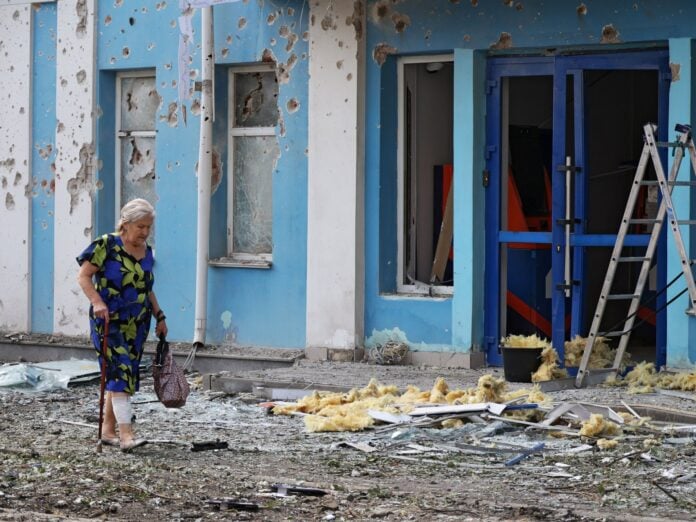
Meanwhile, Russia has continued to intensify military operations across multiple sectors of the front while expanding missile and drone strikes targeting Ukrainian infrastructure and military facilities. Moscow maintains that Western military support only prolongs the conflict and transforms NATO into a direct participant in the war.
Russian Foreign Minister Sergey Lavrov has repeatedly warned that any shipment containing weapons destined for Ukraine constitutes a legitimate military target for Russian forces.
The latest report to Congress represents one of the clearest acknowledgments from a US-linked oversight body that the battlefield balance currently favors Russia, despite years of extensive Western military, financial, and intelligence support for Ukraine.
As the conflict drags deeper into another year with no peace agreement in sight, pressure is expected to intensify on both Washington and European capitals over the long-term costs, risks, and strategic consequences of sustaining the war.