

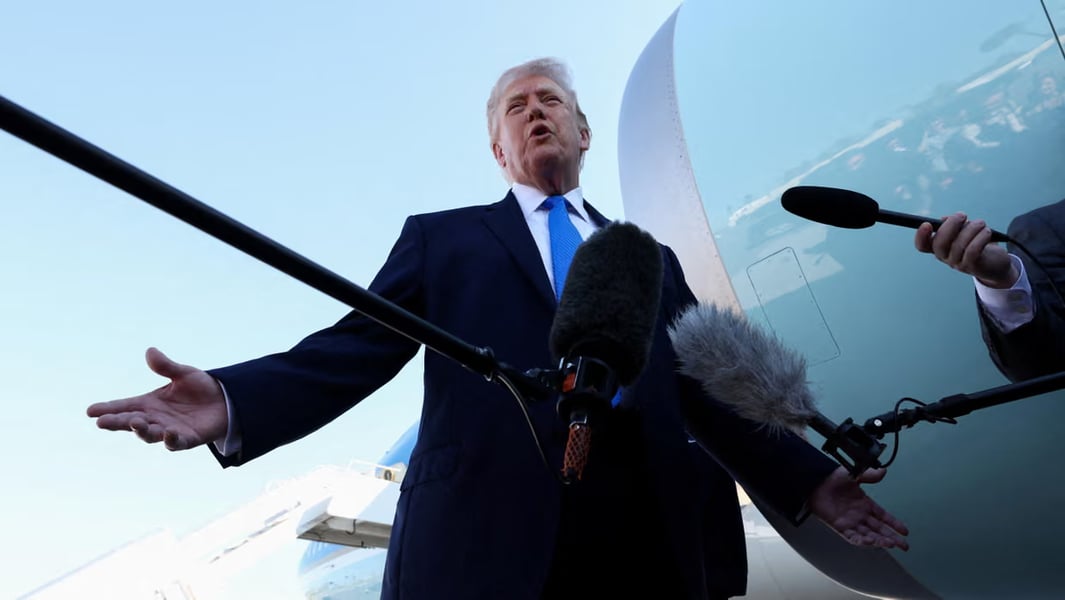

US President Donald Trump said the chances of reaching a new understanding with Iran are “50/50,” underscoring the uncertainty surrounding high-stakes negotiations that could determine whether the Middle East moves toward diplomacy or another dangerous military escalation.
Speaking after days of indirect contacts between American and Iranian officials, Trump indicated that Washington is still prepared to intensify pressure if Tehran rejects the latest proposals being discussed through regional mediators. The remarks came as officials from both sides signaled limited progress toward a temporary framework aimed at preventing a broader regional conflict.
According to reports from multiple US media outlets, the current negotiations are not centered on a full revival of the 2015 nuclear agreement but instead on a narrower arrangement designed to reduce immediate tensions. Discussions reportedly include limits on uranium enrichment, mechanisms for inspections, sanctions relief, and guarantees intended to avoid direct military confrontation in the coming weeks.
Trump told Reuters that a final determination could emerge within days after consultations with advisers and regional allies. He maintained that Tehran still has an opportunity to avoid further escalation but warned that Washington remains prepared to respond militarily if talks collapse.
The comments highlight the fragile balance currently shaping US-Iran relations after months of mounting confrontation across the region. Diplomatic channels involving Gulf states, including mediation efforts linked to Saudi Arabia and Qatar, have reportedly intensified amid fears that another round of hostilities could destabilize global energy markets and threaten maritime security near the Strait of Hormuz.
Iranian officials have publicly maintained that Tehran will not negotiate under direct military threats and continue to insist that any framework must include meaningful sanctions relief. At the same time, Iranian leaders appear eager to prevent a wider regional war that could place additional pressure on the country’s economy and strategic infrastructure.
The diplomatic activity follows a period of heightened tensions that alarmed governments across the Middle East. Concerns about possible disruption to oil shipments through the Strait of Hormuz triggered anxiety in financial and energy markets, with analysts warning that even limited military confrontation between Washington and Tehran could rapidly affect global crude prices and shipping routes.
Inside Washington, the negotiations have exposed divisions between officials favoring sustained diplomacy and others advocating a harder military posture toward Tehran. Trump himself appeared to embrace both possibilities during recent remarks, describing diplomacy as achievable while simultaneously emphasizing that the US military remains prepared for “overwhelming” action if talks fail.
The administration’s approach also reflects growing concern that another major conflict in the Middle East could deepen instability across multiple fronts at a time when the US remains heavily engaged in geopolitical confrontations involving Russia, China, and ongoing crises in Eastern Europe and the Indo-Pacific.
Meanwhile, regional governments are attempting to prevent further escalation through quiet diplomacy. Gulf leaders reportedly fear that any direct US-Iran confrontation would threaten not only energy exports but also broader economic investment plans across the region. Several countries are therefore encouraging a temporary framework that could buy time for broader negotiations later this year.
Despite the cautious optimism surrounding the talks, major obstacles remain unresolved. Iranian negotiators are seeking stronger guarantees that Washington will not abandon another agreement in the future, while US officials continue to demand tighter restrictions on Tehran’s nuclear activities and regional military posture. The absence of trust between both governments continues to overshadow every stage of the negotiations.
Analysts say Trump’s “50/50” remark reflects the reality that neither side appears fully confident a breakthrough can be achieved. Diplomacy may still offer a path away from conflict, but the current process remains vulnerable to political pressure, military incidents, and resistance from hardliners on both sides.
For now, global attention is focused on whether the latest diplomatic push can hold long enough to avoid another dangerous confrontation in the Middle East. With Trump suggesting a decision could come within days, financial markets, regional governments, and international observers are closely watching Washington and Tehran for signs of either compromise or renewed escalation.














