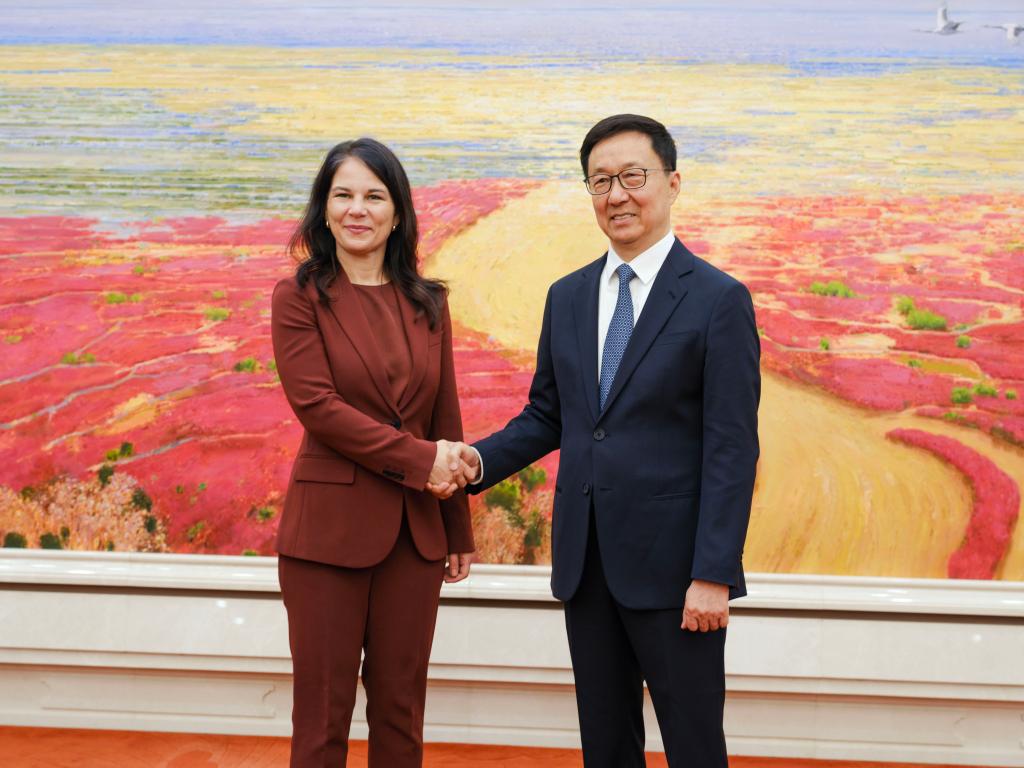

BERLIN — The humiliation was complete before the vote count finished. Germany, which had campaigned for years to secure a non-permanent seat on the United Nations Security Council, walked away from the UN General Assembly on Wednesday with 104 votes — 23 short of the two-thirds majority it needed, beaten by both Austria and Portugal. The question that consumed Berlin in the days that followed was not what went wrong, but who was responsible.
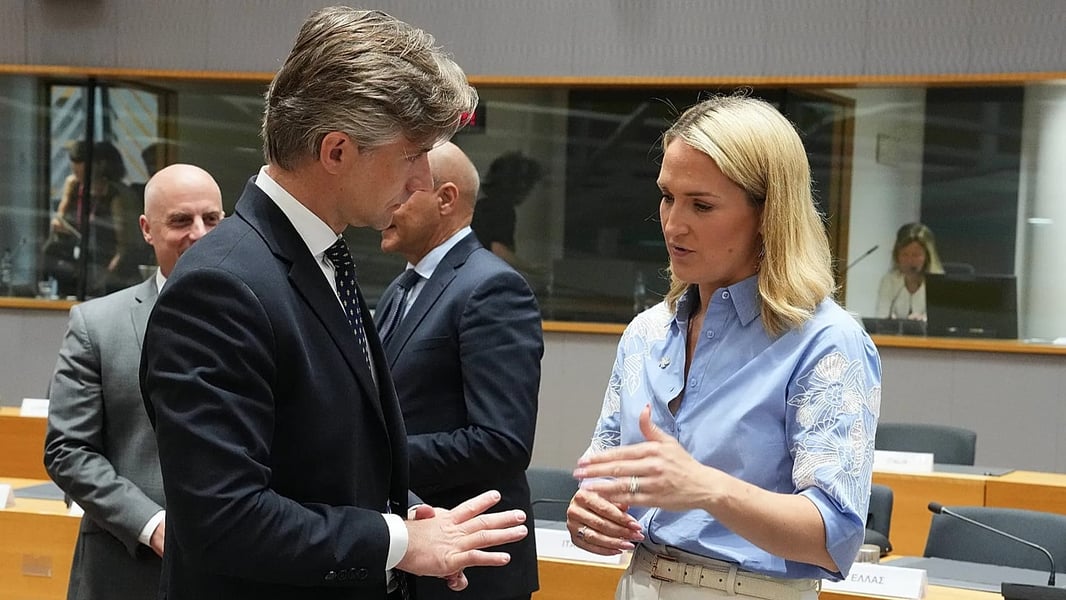
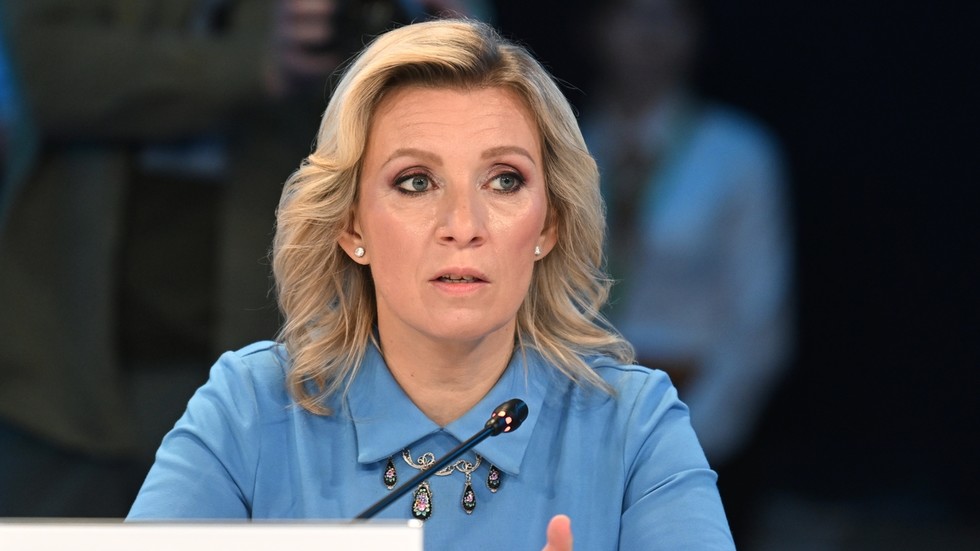
Members of the CDU/CSU bloc in the Bundestag have moved to find out. Stefan Mayer, the CSU foreign policy lawmaker, told Bild newspaper he intends to summon Annalena Baerbock to appear before the Bundestag foreign affairs committee. The demand rests on a simple argument: Baerbock ran Germany’s Foreign Ministry from December 2021 to May 2025, the period in which the diplomatic groundwork for the Security Council candidacy was either built or left unbuilt. She has answers to give.
“We must carefully analyze the reasons for this embarrassing electoral defeat,” Mayer told Bild. “For this, it is absolutely necessary for Annalena Baerbock to give explanations on this matter in the Bundestag foreign affairs committee.”
Manfred Pentz, the CDU minister for international affairs in the German state of Hesse, was less measured. “Baerbock failed when she was foreign minister,” he said, also speaking to Bild. He drew a deliberate contrast with the campaigns under former Chancellor Angela Merkel, when Germany won Security Council seats in 2010 and 2019 through what he described as years of careful preparation. Pentz was equally emphatic that the current cabinet under Chancellor Friedrich Merz — in office for just over a year — bore no blame.
The arithmetic of Wednesday’s vote lends some support to that framing. Germany announced its candidacy in 2019, meaning the lobbying effort was almost entirely conducted under the previous government. Baerbock, now serving as president of the UN General Assembly after her election to that role in June 2025, was the official who announced the results — an uncomfortable symmetry that a number of German commentators did not let pass unremarked.
According to Bild, a significant part of Germany’s deficit came from African nations. Mokgweetsi Masisi, the former president of Botswana, put the critique in blunt terms. He linked the diplomatic setback directly to what he characterized as Baerbock’s condescending posture toward African governments during her tenure.
“Perhaps Ms. Baerbock should have focused on doing her job in German diplomacy instead of trying to tell Nigerians where to build toilets and instruct Africans on how to deal with elephants,” Masisi was quoted as saying in Bild. “Perhaps then Germany would have received more votes from Africa for a seat on the UN Security Council.” He added that he feels more confident in the relationship with Berlin since Baerbock left office.

The criticism from the Global South is not straightforwardly separable from a broader shift in how those countries relate to Germany and to Europe more generally. As Euronews reported, Germany’s defeat is better read as a symptom than a foreign-policy crisis in isolation. The defeat falls on a country still recalibrating its international posture after years of Energiewende, Zeitenwende, and a coalition government that often appeared more committed to articulating values than to accumulating votes. Russia, several analysts noted, had obvious reasons to work against Germany’s candidacy in the background — and the votes of countries Moscow influences are difficult to trace in any UN secret ballot.
What Merkel’s era produced that Baerbock’s did not, in the view of the CDU politicians now asking questions, was not moral clarity but political patience. The 2019 candidacy announcement came late compared to Austria’s, which had been organizing its campaign for years. By the time Germany moved seriously, partners in the Western Europe and Others Group had already made their commitments. The late start compressed the lobbying window and removed options that had long been available to earlier German campaigns.
Merz said on Friday that Germany intends to run again for a non-permanent Security Council seat for 2035–2036. The decade-long runway suggests Berlin does not expect a quick repair. How much of that runway will be spent relitigating the choices of 2021 to 2025 remains to be determined by the Bundestag committee that CDU/CSU now wants convened.
The Greens, for their part, have not accepted the premise of the CDU/CSU offensive. Party lawmakers have placed the blame on the Merz government instead, arguing that the new foreign minister, Johann Wadephul, had insufficient time to mount an effective last-push campaign. That counter-argument has a simpler problem: the votes were not there before Wadephul took office, and nobody in the German Foreign Ministry expected the margin to be as wide as it turned out to be.
What the Bundestag committee hearing, if it happens, will not answer is the deeper question Masisi’s remark pointed toward. Germany’s approach to African and Global South diplomacy under Baerbock was not accidental — it reflected a consistent set of foreign-policy choices about where to place moral emphasis and which relationships to treat as transactional. Whether those choices were simply wrong in retrospect, or wrong in a way that could have been foreseen when they were made, is a distinction that matters for how Berlin recalibrates over the next decade.
—Inputs from RIA Novosti, Sputnik.
Related Posts