
WASHINGTON/BEIRUT — On Sunday afternoon, Donald Trump told The Financial Times that he alone controls the direction of the war with Iran. “I call the shots,” he said. “I call all the shots. Netanyahu doesn’t call the shots.”
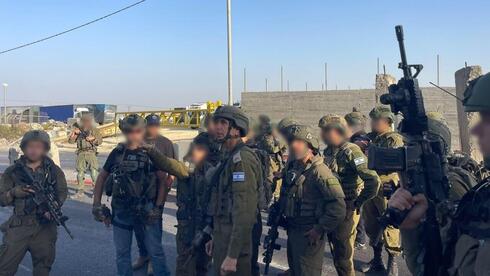
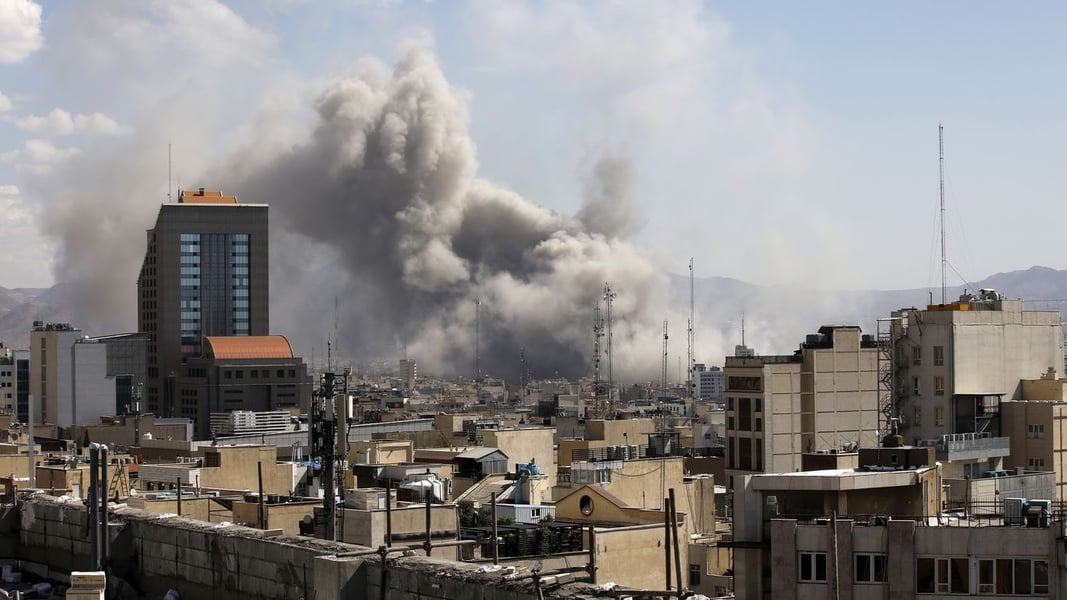
That night, dozens of Israeli fighter jets flew deep into Iranian airspace and struck targets in Tehran, Isfahan, Tabriz, and the Mahshahr petrochemical complex. The IDF confirmed the operation in the early hours of Monday. It was Israel’s first reported attack on Iran since the April 8 ceasefire — an attack the United States had urged against. A senior American official had told Axios hours before the planes took off that he did not expect an imminent Israeli strike.
The sequence put one of the defining claims of Trump’s second term to an immediate and painful test. Whatever the president believes about his command authority over the Middle East theater, the June 8 strikes suggest that the actual decision-making structure is more complicated than Sunday’s FT interview implied.
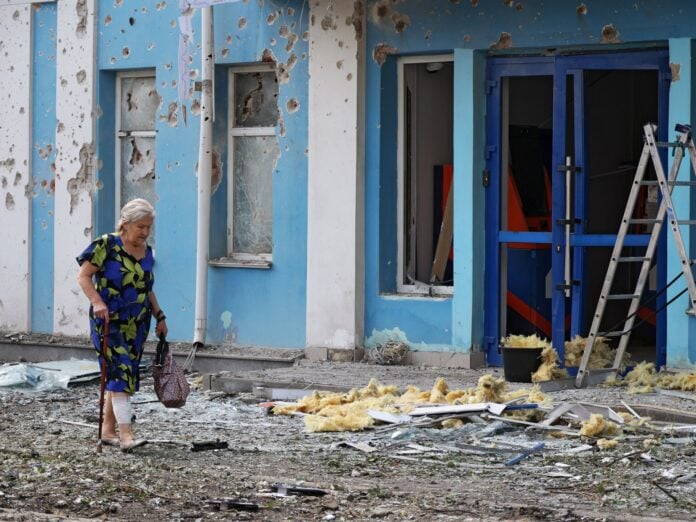
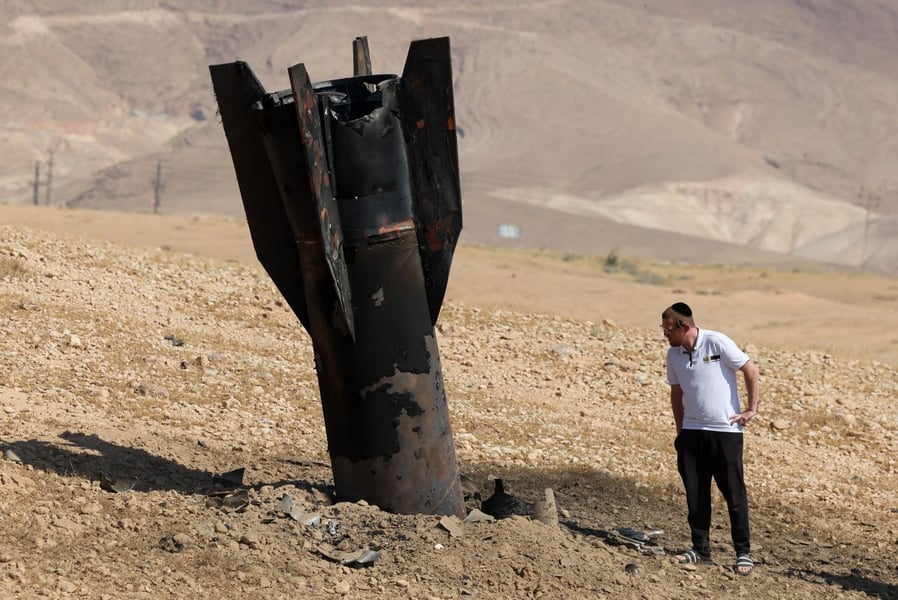
The background to the latest escalation runs through Lebanon. According to reporting by Axios, NPR, and the Jerusalem Post, the chain of events began on Sunday with a Hezbollah missile attack on northern Israel, which prompted the IDF to strike Hezbollah positions in the southern suburbs of Beirut, killing at least two people and wounding 20 others. Tehran, which has maintained that any Israeli attack on Lebanon constitutes a violation of the spirit of the April ceasefire, responded by launching ballistic missiles at Israeli air bases. The IDF said those missiles were intercepted. Israel then launched the overnight raids on Iranian cities.
Simultaneously, a ballistic missile was launched from Houthi-controlled territory in Yemen toward central Israel — the first such attack since the April 8 ceasefire — but was intercepted, the IDF said. Air raid sirens sounded in Tel Aviv.
What makes the June 8 exchange distinctly significant is not the military mechanics but the diplomatic positioning it has shattered. The U.S.-brokered April ceasefire between Israel and Iran — the second in less than a year after the June 2025 truce that Trump said would “last forever” — was already under sustained strain. Lebanese President Joseph Aoun had publicly accused Iran of using his country as a bargaining chip in nuclear talks with Washington, a charge Tehran rejected sharply. The ceasefire’s ambiguity about whether Lebanon was covered had been a source of tension from the day it was signed. Israel’s position, stated by Prime Minister Netanyahu, was that the ceasefire did not apply to its operations against Hezbollah.
Trump had attempted to hold both positions simultaneously — supporting Israel’s right to strike Hezbollah while insisting that broader hostilities with Iran were over. The Beirut-to-Tehran escalation chain that unfolded over 24 hours on Sunday and Monday illustrates the structural problem with that position: when one party to a ceasefire conducts military operations against a third actor that the other party considers under its protection, the ceasefire’s architecture collapses by design.
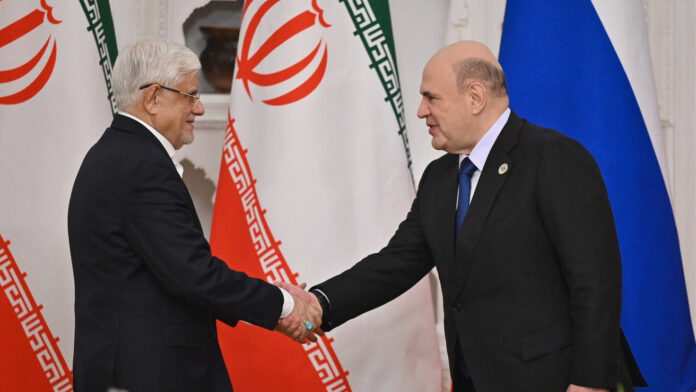
The diplomatic fallout arrived quickly. Iran’s Foreign Ministry named U.S. Central Command as bearing direct responsibility for the ceasefire collapse, holding Washington accountable for the actions of its ally even as the IRGC announced a halt to offensive operations. The move was Tehran’s clearest articulation yet of how it reads the U.S.-Israeli relationship: as a joint command structure in which American diplomatic protestations of restraint are not binding on Israeli military decisions. That reading, whether fair or not, has now gained a significant evidentiary basis.
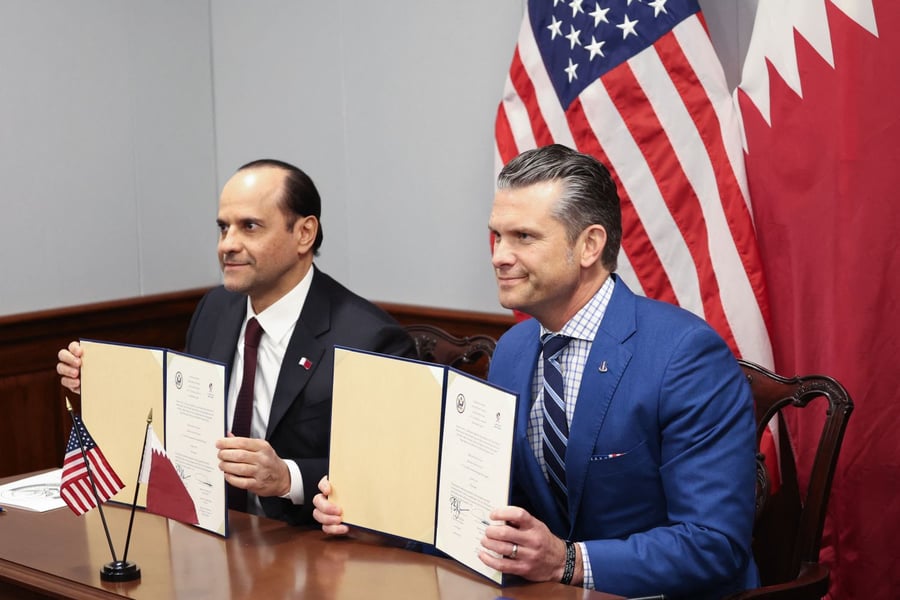
Trump, for his part, told the FT the same day that diplomacy with Iran remained an option and offered to send Vice President JD Vance and envoy Steve Witkoff to resume talks. Tehran has threatened to expand its attacks and target U.S. bases in the region if Israel continues striking, a warning that creates direct risk for American forces regardless of whether Washington authorized the strikes in question.
The IDF said the June 8 operation targeted Iranian air defense systems that had been rebuilt since Operation Roaring Lion, the designation Israel uses for its earlier campaign against Iranian military infrastructure. The strikes hit Mehrabad Airport in Tehran and the Mahshahr petrochemical complex in southwestern Iran, along with targets in Isfahan, Tabriz, Karaj, and Kermanshah, according to Axios and IDF statements. Iran’s Civil Aviation Organisation closed airspace around Tehran’s Imam Khomeini International Airport following the raids.
The intelligence question — how much the United States actually knew about Monday’s operation before it happened — remains unresolved. The Axios report citing an American official who said an Israeli strike was not imminent suggests either a genuine intelligence failure, an Israeli decision made without U.S. coordination, or both. Israel subsequently confirmed it was halting further strikes on Iran at Trump’s explicit request — confirmation that the restraint call came after, not before, the raids.
What remains open is whether any of this changes the fundamental dynamic. The June 2025 ceasefire broke down in February 2026. The April 2026 ceasefire has now broken down inside 60 days. The pattern suggests that ceasefires in this conflict have functioned as intervals between campaigns rather than durable agreements — and that the gap between what Washington says it controls and what Israel actually does is the structural variable that no FT interview, however emphatic, has yet closed.