
TEHRAN — The accusation landed at the worst diplomatic moment. As Iran’s Revolutionary Guards announced they were halting attacks on Israel, the Islamic Republic’s foreign ministry was simultaneously telling the world that America’s own military command — not some abstracted notion of US policy — bore direct responsibility for every breach of the April 8 ceasefire that has been breaking down since early June.
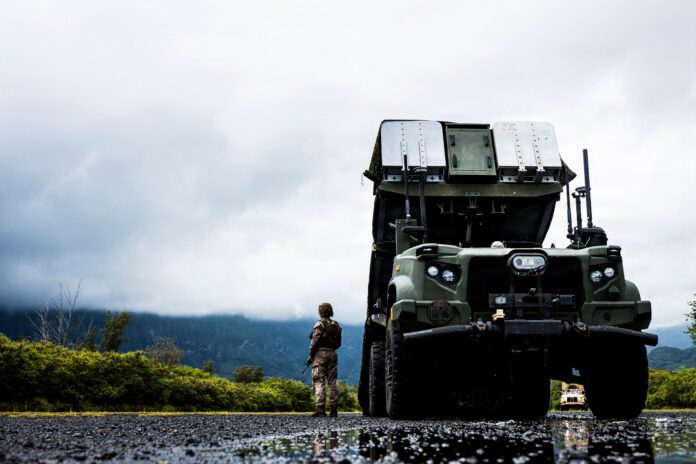
Esmail Baghaei, the Iranian Foreign Ministry spokesman, said Monday that no one in the region believes Israel acts without prior coordination and active cooperation from the United States, and went further than Iranian officials have gone before: he named US Central Command specifically. CENTCOM, he told reporters at a news conference, provides Israel support in both offensive and defensive military operations. That operational support, Baghaei argued, makes Washington directly accountable for whatever escalation follows any Israeli strike that Tehran considers a ceasefire violation.
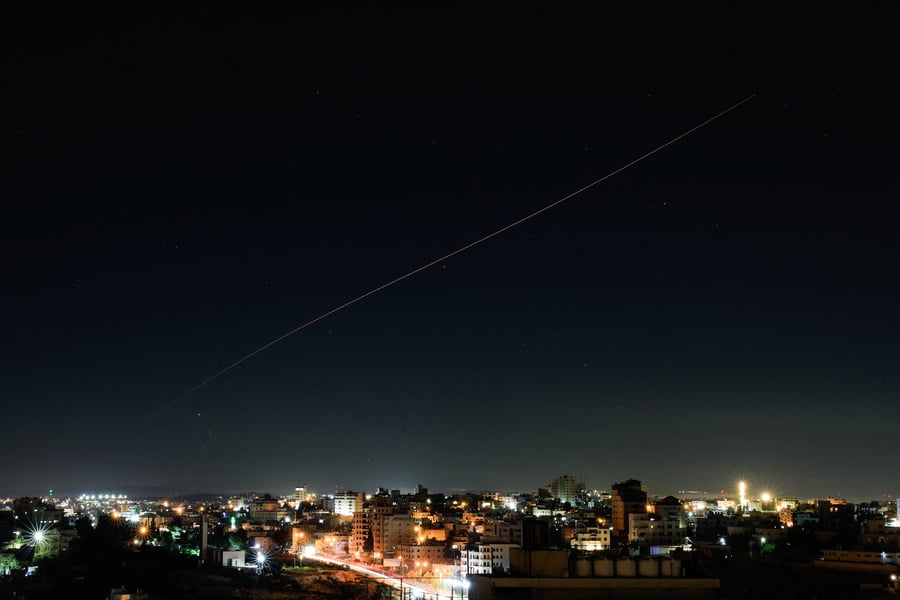
The statement arrives at a juncture that makes its implications hard to ignore. Israel and Iran exchanged missile fire in the first direct exchange since the Pakistan-brokered ceasefire took hold in April — Israeli strikes hitting targets in Tehran, Tabriz, Karaj and Isfahan, with Iran responding by launching ballistic missiles toward northern Israel. By early afternoon, the IRGC announced it was suspending its offensive operations, with its statement carrying the assertion that Israel had “learned a lesson.” President Donald Trump posted on Truth Social urging both sides to stop shooting, and shortly after wrote that both Israel and Iran were “looking to do an immediate ceasefire” with final peace negotiations proceeding.
What the IRGC’s operational pause does not resolve — and what Baghaei made certain to leave unresolved — is the question of who guarantees that a ceasefire actually holds. Iran’s argument, consistent since at least June 1 when it suspended nuclear talks with Washington over Israeli strikes in Lebanon, is that the ceasefire framework cannot function if CENTCOM continues to assist Israeli military operations while the same American officials claim to be the neutral party managing de-escalation. That contradiction, Baghaei said, had already caused significant disruption to the diplomatic process.
The mechanism behind the accusation is specific. The April 8 ceasefire, brokered with US involvement following the 40-day war that devastated both Israeli and Iranian military infrastructure, explicitly covers direct hostilities between Tehran and the Israeli government. It does not, Israel has argued, apply to its ongoing operations in Lebanon against Hezbollah — a position Netanyahu’s office stated in writing on the day the agreement was announced. Iran’s position, maintained consistently, is the opposite: that Israeli operations in Lebanon, conducted with what Tehran describes as CENTCOM logistical and intelligence backing, constitute ceasefire violations that obligate the American side to intervene and stop them.
The legal and diplomatic gap between those two readings has been widening since early March, when Israeli forces resumed near-daily strikes on Hezbollah positions in southern Lebanon and eventually captured Beaufort Castle in an expanded ground offensive. Iran fired missiles toward Israel following an Israeli strike on Beirut’s southern suburbs — the threshold Tehran had warned publicly for weeks would trigger a direct response. As Al Jazeera reported, this is the first time Tehran has retaliated against Israeli actions in Lebanon by launching missiles directly from Iranian territory.
Baghaei did not announce any change in Iran’s negotiating posture Monday, but the framing of his remarks was pointed. He described Washington’s statements during the current crisis as “contradictory, inconsistent and confusing,” and said whether those qualities were deliberate or inadvertent, they had already derailed the diplomatic track. He also referenced an apparent internal debate inside the US government about whether the Israeli military was actually following White House instructions — a reference to Trump’s public statement on Sunday saying he would urge Netanyahu not to retaliate against the Iranian missile barrage, followed hours later by Israeli strikes on multiple Iranian cities.
That sequence — Trump urging restraint, Israel striking anyway, Trump then posting that both sides want a ceasefire — is precisely what Baghaei described as the kind of behavior that makes Tehran doubt Washington can deliver on any diplomatic commitment. Whether Netanyahu and Trump’s phone call Monday afternoon, reported by Israeli Channel 12 and Al Arabiya, produced any binding commitment on Lebanon operations remained unknown as of this writing.
Iran’s government has formally linked progress in US-Iran nuclear and security negotiations to a genuine halt in Israeli operations in Lebanon, a linkage the Trump administration has pushed back against. The head of the IRGC’s foreign arm said on June 4 that Israel must pull back from its front lines in Lebanon before any peace agreement with Washington could be signed. That demand, combined with Monday’s CENTCOM accusation, leaves the US in the position of being told by Tehran that it cannot simultaneously arm and direct one party to the conflict while serving as the neutral broker for a ceasefire that same party is violating. The Washington Times reported that CENTCOM itself, in a June 1 social media post, had described its posture as remaining “vigilant and will continue to protect our forces from Iranian aggression while supporting the ongoing ceasefire” — a formulation that, to Iranian ears, confirms the dual role Tehran is objecting to.
The question Iran’s foreign ministry declined to answer Monday is what happens if CENTCOM’s posture does not change. The IRGC’s operational pause may hold. It may not. What Baghaei established — by naming an American military command rather than an American president — is that Tehran is building a dossier of institutional accountability, not simply registering a political grievance. Where that dossier leads, and whether Washington will contest the framing before the next missile is fired, is the unresolved question that will determine whether the ceasefire declared in April survives to see July.
Iranian officials said no casualties had been reported at Tehran or at the military center in Tabriz following the Israeli strikes. The port blockade on Iranian maritime exports, which Trump said Monday would remain in place until a deal is reached, adds a further economic pressure layer to negotiations that are already strained by the military escalation. Trump’s refusal to unfreeze Iranian assets before a deal, a posture he maintained Monday, leaves both sides demanding the same concession first.