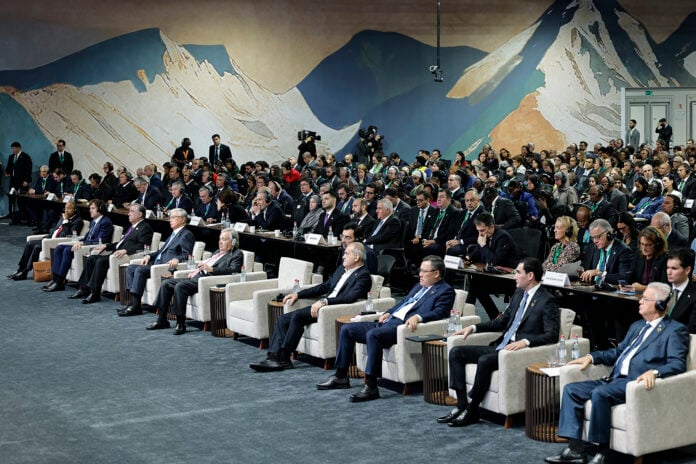

TAIPEI — Diane Wilson, 78, a retired shrimper from Calhoun County, Texas, travelled eight thousand miles in late May to walk into Formosa Plastics Corporation’s annual shareholder meeting in Taipei and tell its chairman, Kuo Wen-Bee, that his company’s plastic-pellet discharges into Lavaca Bay had not stopped despite a federal settlement that ordered them to. Footage broadcast on Taiwanese television showed guards lifting her by the arms and legs and carrying her out of the chamber. Two other Gulf Coast activists — Sharon Lavigne, 76, a retired special-education teacher from St. James Parish, Louisiana, and Nancy Bui, 72, a former Vietnamese refugee now based in Houston — were present with her. The three women had been invited by Taiwan’s Environmental Rights Foundation, whose organiser Annie Huang said the visit was the first time three Goldman Prize-tier U.S. environmental activists had presented at a single Formosa annual meeting. The event was documented by Dylan Baddour for Inside Climate News this week.
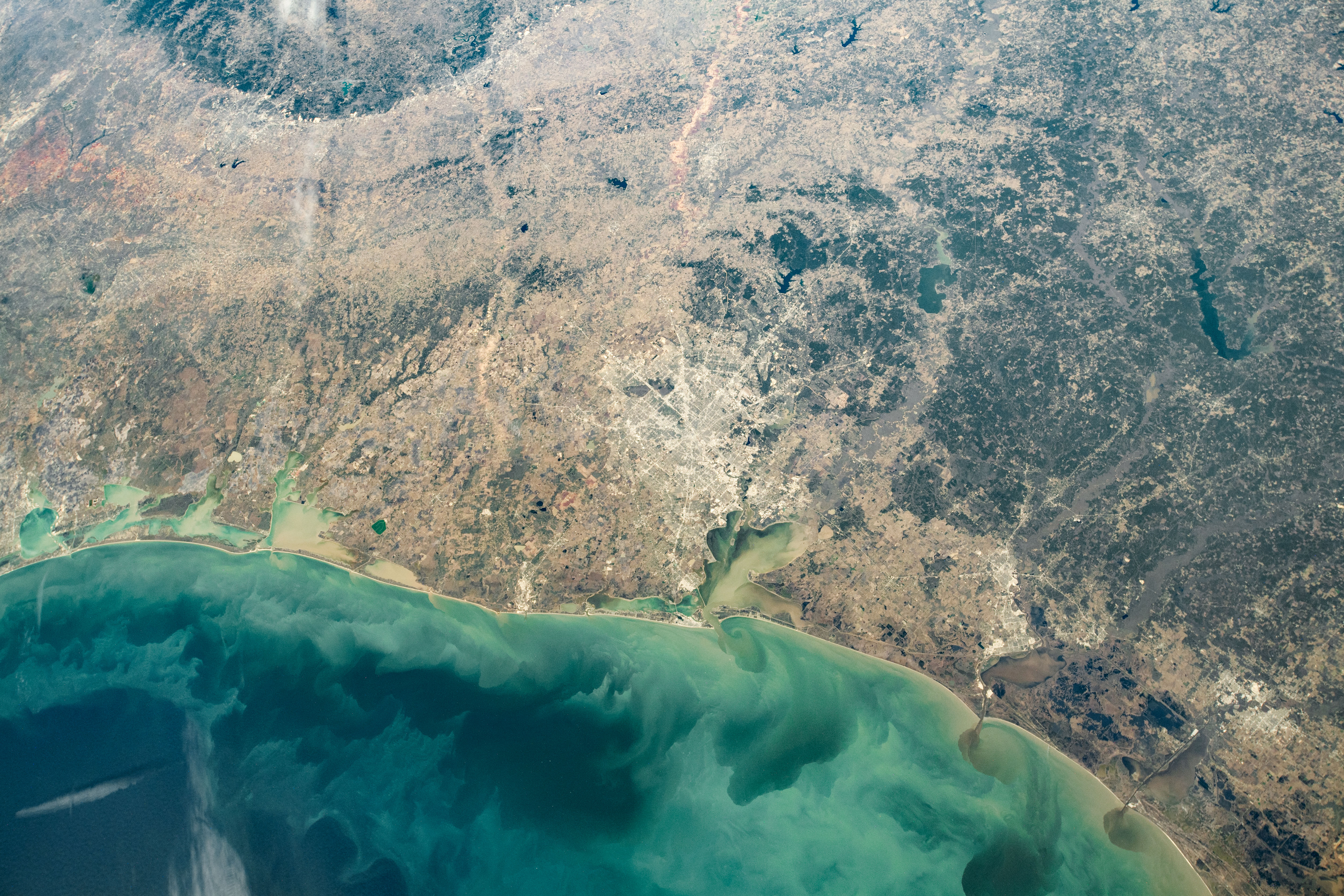
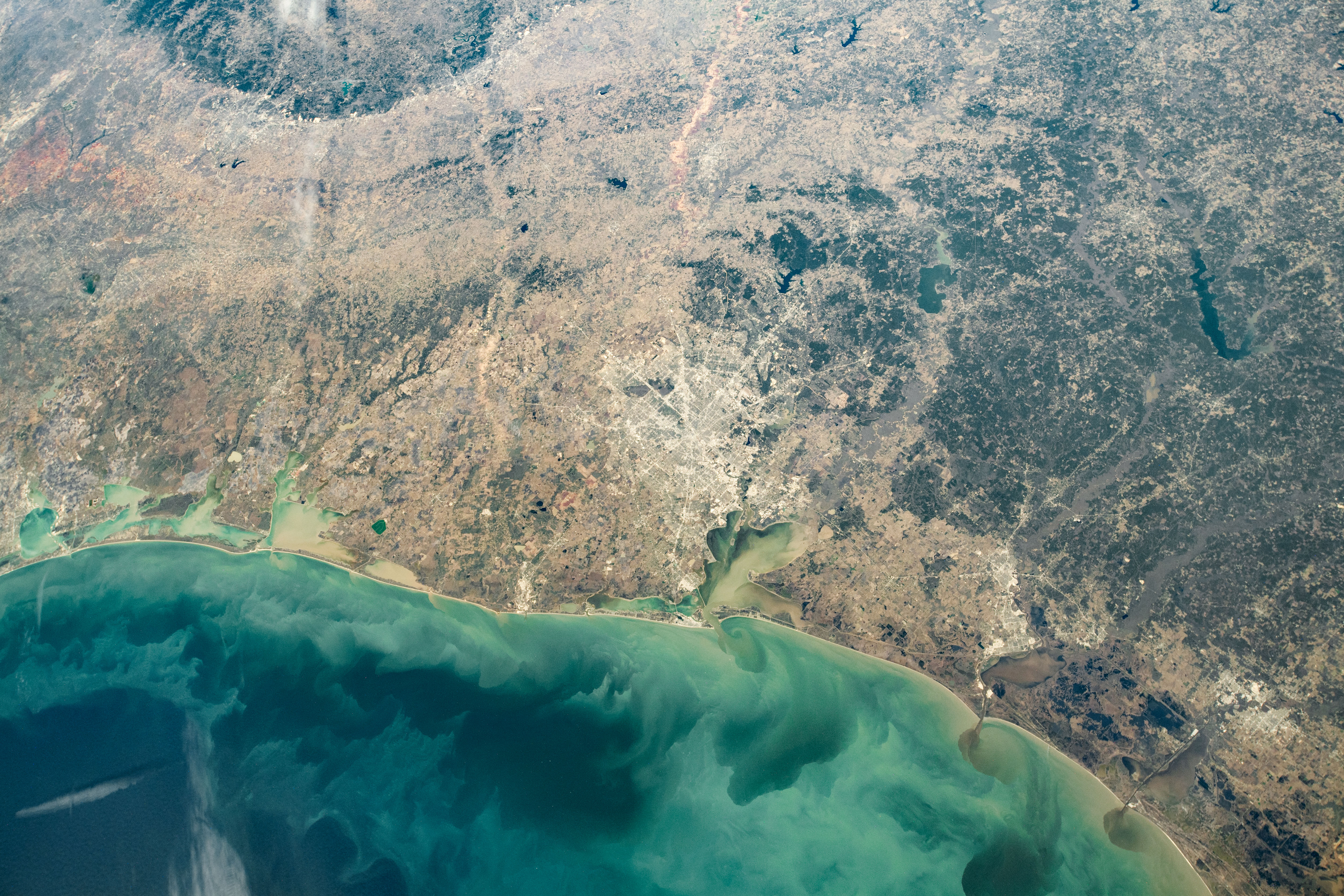
The Lavaca Bay story is the case Wilson is best known for. She spent a decade collecting plastic pellets, the small uncoloured beads the industry calls nurdles, in mason jars from the bay’s shoreline and filed a federal Clean Water Act suit against Formosa Plastics’ Point Comfort plant in 2017. The 2019 settlement that resolved it ordered the company to pay $50 million and to achieve zero plastic discharge into Texas coastal waters. The settlement also created a community-controlled monitoring programme. Since 2020, that programme has run more than 960 wastewater tests at the plant’s outfalls. All of them have detected plastics. Formosa has paid an additional $41 million in stipulated penalties under the settlement’s escalator clauses. Wilson won the Goldman Environmental Prize, the closest thing the global grassroots environmental movement has to a Nobel, in 2023.
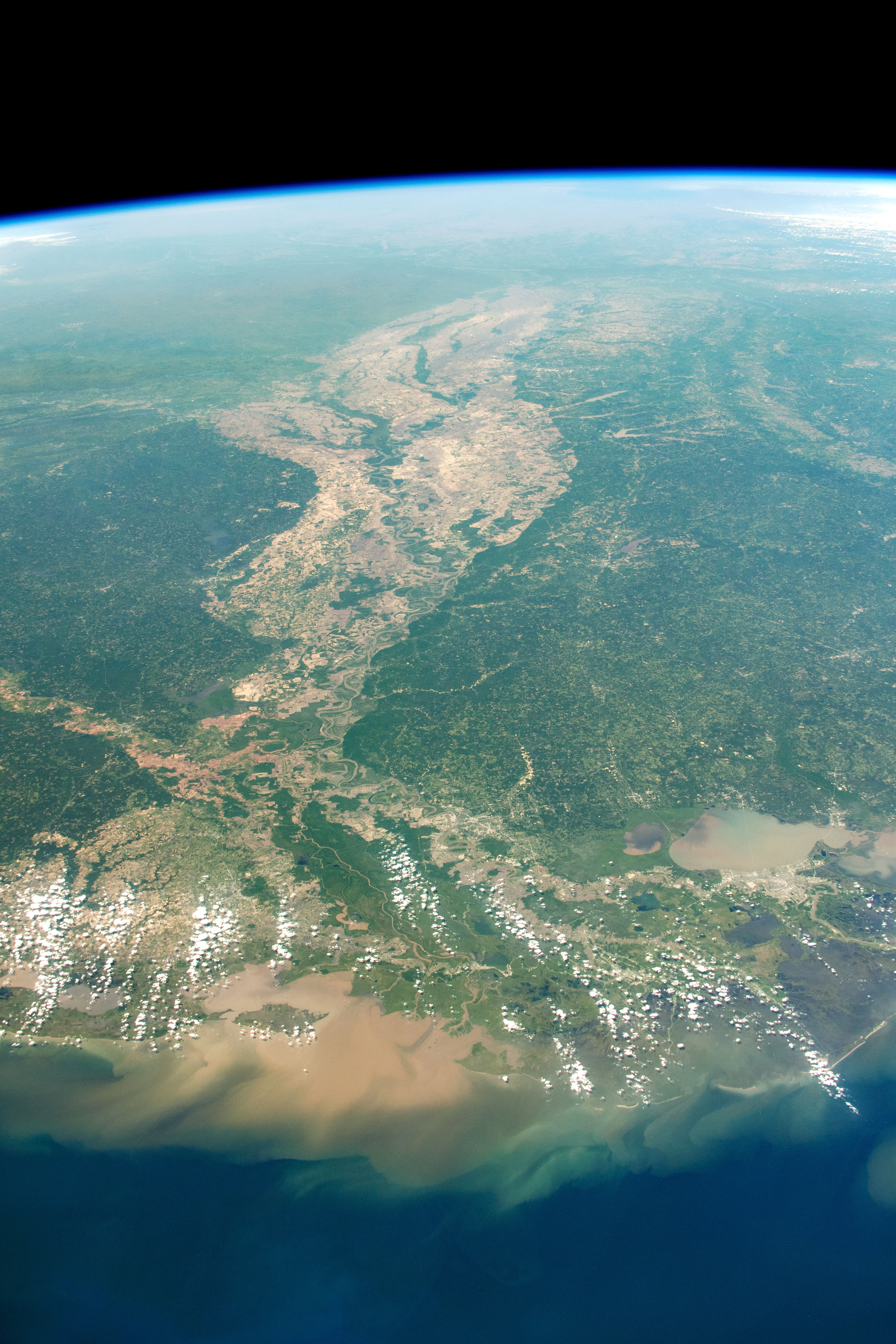
Sharon Lavigne’s case is the next phase of the same fight. In 2018, Formosa Plastics proposed a $9.4-billion, fourteen-plant petrochemical complex on the lower Mississippi River in St. James Parish, Louisiana, in the heart of the corridor that residents of the parish’s predominantly Black communities have for decades called Cancer Alley. Lavigne, a retired special-education teacher and a parishioner of the parish’s St. James Catholic Church, founded RISE St. James and spent four years organising the campaign that, in 2022, forced the Louisiana Department of Environmental Quality to vacate the project’s air permits. Lavigne won the Goldman Prize in 2021. The Formosa project remains suspended.
Nancy Bui’s case is the part of the campaign that crosses oceans. In April 2016, a discharge from Formosa Plastics’ steel-plant complex in Hà Tĩnh province, Vietnam — a complex that opened the following year as the country’s largest single foreign-direct-investment project — killed an estimated 115 tonnes of fish along approximately 200 kilometres of central Vietnamese coastline. The disaster led to mass protests, a $500-million settlement that the Vietnamese government accepted on behalf of fishing communities and a wave of detentions and prosecutions of Vietnamese environmental activists. Bui, who fled Vietnam after 1975, founded Justice for Formosa Victims to file in Taiwanese court on behalf of fishermen the Vietnamese settlement had under-compensated. The case is pending.
The Wang family that controls Formosa Plastics through a cross-shareholding structure of four publicly listed Taiwanese companies, often referred to in Taiwanese financial press as the Formosa Plastics Group, has been the subject of a long-running succession dispute since the death of the company’s founder, Y.C. Wang, in 2008. The May 28 shareholder meeting was, on the agenda, principally about that dispute. Wilson, Lavigne and Bui’s presentations, addressed to the meeting’s general session, were the first time the three communities Formosa has affected directly — Texan, Louisianan, Vietnamese — spoke to the company’s shareholders in a single sitting.
Taiwanese civil-society organisers framed the visit as evidence the company’s domestic accountability landscape is shifting. Lin Chun Lan, a Taiwanese oysterman activist who works on Formosa’s discharges into the Mailiao petrochemical complex on Taiwan’s central western coast, told the trio that the disclosures Wilson’s settlement had forced from the Point Comfort plant had become reference data for Taiwanese citizen-science groups monitoring Mailiao. The Wild at Heart Legal Defense Association of Taiwan filed an amicus brief in Bui’s case earlier this year.
The corporate response inside the meeting was the response large companies typically offer at shareholder gatherings about historical settlements. The chairman thanked the visitors for their concern, asked them to file their materials through investor relations, and gestured the meeting back to its scheduled agenda. The footage of Wilson being lifted from the chamber, in which her white hair is clearly visible against the dark suits of the security staff, was broadcast on Taiwan’s Public Television Service that evening. By the next morning, the clip had been excerpted by environmental groups in the United States, Vietnam, the Philippines and Indonesia.
The campaign Wilson, Lavigne and Bui have built across three coastlines is structurally similar to the climate-justice cases Kenya brought to the UN’s Santiago Network this week to ask developed economies to pay for damages they caused. It is the same structural argument the new Leiden and Beijing Normal studies of China’s Belt and Road steel emissions made about emitters and host countries: the company in one jurisdiction, the pollution in another, the accountability in a third. The Formosa case extends that principle from carbon to plastic pellets, and from a treaty conference room to a publicly held shareholder meeting.
What happens next sits with the courts. The U.S. settlement’s monitoring is open-ended. The Louisiana permit fight will return to the Louisiana state administrative courts later this year on the air-quality assumptions Formosa filed. Bui’s case in Taipei is set for further hearings in the autumn. The contrast with the Trump administration’s decision this week to open more than half a million square miles of Pacific marine monuments to industrial fishing is the visible-from-orbit kind. Federal protection of U.S. coastal waters is being removed in the same week three U.S. coastal-community activists were lifted from a Taipei shareholder meeting for trying to enforce it themselves.
Wilson’s quote, in the Inside Climate News piece, was the one most international wire services picked up. “They thought I was crazy at the meeting,” she said. “They underestimated how far an old shrimper from Texas can travel.”