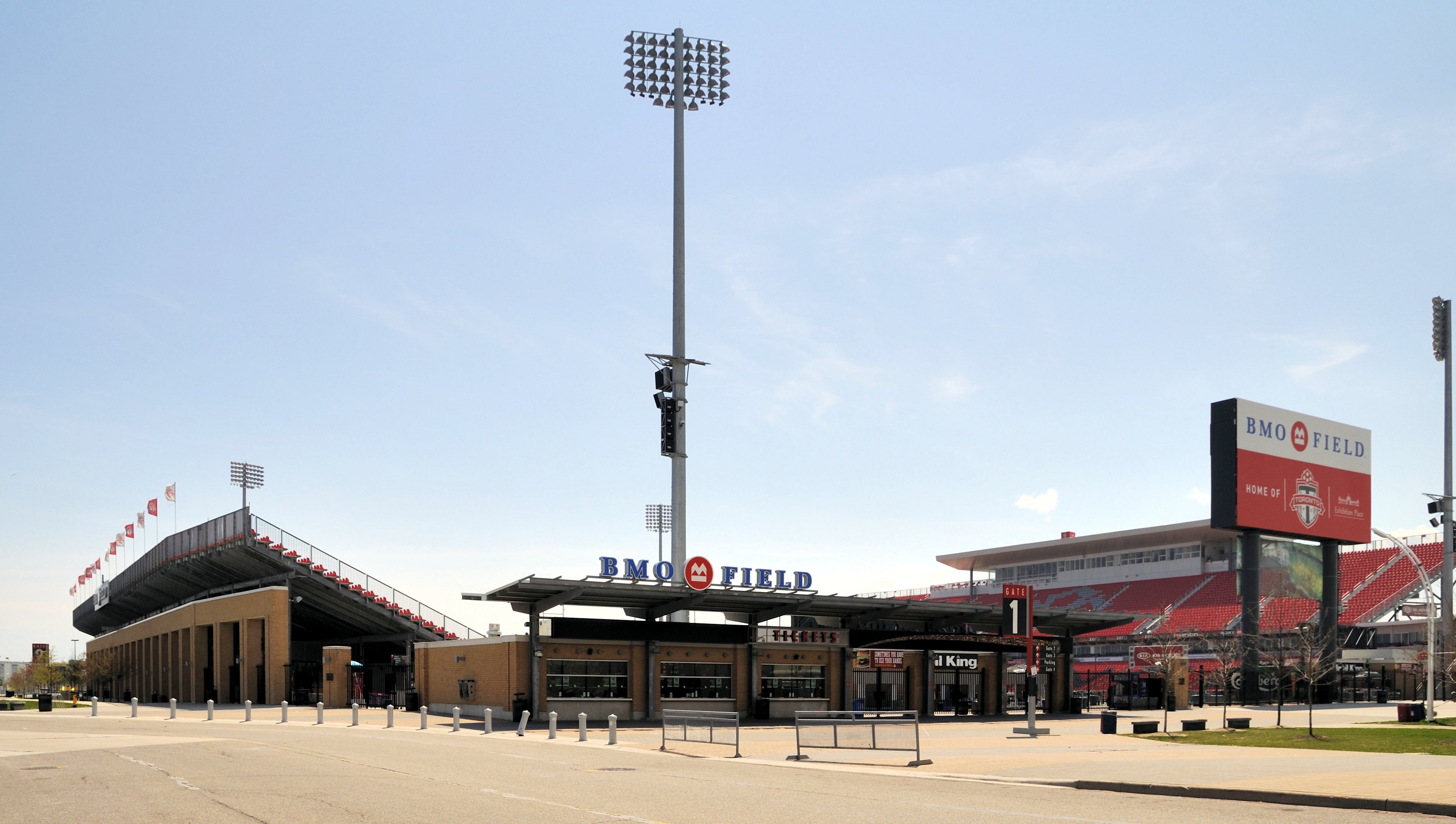

TORONTO — Ghana’s most important midfielder will spend his team’s World Cup opener in a different country. Canada has refused Thomas Partey a visa, FIFA confirmed on Friday, keeping the 32-year-old out of the match against Panama in Toronto on June 17 because of the criminal charges he is facing in Britain.
The charges are not vague. Partey, the former Arsenal player who now plays for Villarreal, has been charged by London’s Metropolitan Police with seven counts of rape and one count of sexual assault. He has pleaded not guilty to all of them and is on bail with conditions barring contact with his accusers, awaiting a trial that has been set for June 2027 at Southwark Crown Court. He is, in the language the law insists on, presumed innocent. He is also, in the language Canada’s immigration statute insists on, potentially inadmissible.
That distinction is the entire story. FIFA’s statement was procedural and bloodless: Partey “will be unable to travel from Ghana’s team base camp in Boston, USA, to Canada for their first match against Panama on Wednesday, 17 June, as his visa application has been refused by the Canadian government.” Canada was no more expansive, saying only that “every person seeking to come to Canada is assessed individually, based on the facts available and the law that applies.” Under that law, when there are reasonable grounds to believe a person has committed an act that would make them inadmissible, they can be turned away, and pending charges of this gravity are grounds.

It is worth being precise about what this case is and is not, because the opening days of this World Cup have produced several border stories that look superficially alike and are not. The United States expelled the Somali referee Omar Artan on unspecified “vetting concerns” and detained Iraq’s striker for seven hours with no charge named, cases built on allegations nobody would put on the record. Partey’s case is the opposite kind. The charges against him are public, specific, filed by a police force, and headed to a courtroom. Canada did not invoke a secret. It invoked a docket.
None of which resolves the discomfort, because a man who has been convicted of nothing is being kept out of a stadium. That is the tension the presumption of innocence always carries against a state’s right to manage its own border, and it does not dissolve because the alleged offenses are serious. Partey has denied the charges in their entirety, and a jury, not a visa officer, will eventually weigh them. What a visa officer is permitted to weigh, in the meantime, is risk, and Canada weighed it against him.
For Ghana the football consequence is narrow but real. Partey, who has 57 caps, misses only the Toronto opener. The squad is based in the United States, and he remains eligible to play the group’s other two matches, against England in Foxborough on June 23 and against Croatia in Philadelphia on June 27, both on American soil where his entry is not in question. The Black Stars lose their midfield anchor for one game, not the tournament.
The larger question is one neither FIFA nor Canada will answer, because it is not theirs to answer: how a tournament markets a player to global audiences while one host nation deems him too risky to admit. FIFA confirmed the refusal and moved on. Ghana named no replacement narrative. Partey’s lawyers, who have a trial to prepare, said nothing publicly about a visa.
What remains unresolved is everything that matters most, and it will stay unresolved until June 2027, when a court in London hears the case the rest of this is built on. Until then Partey will keep playing where he is allowed to play and sitting out where he is not, a footballer in the strange middle distance between accusation and verdict, with a World Cup unfolding across three countries that cannot agree on whether to let him in.
Related Posts