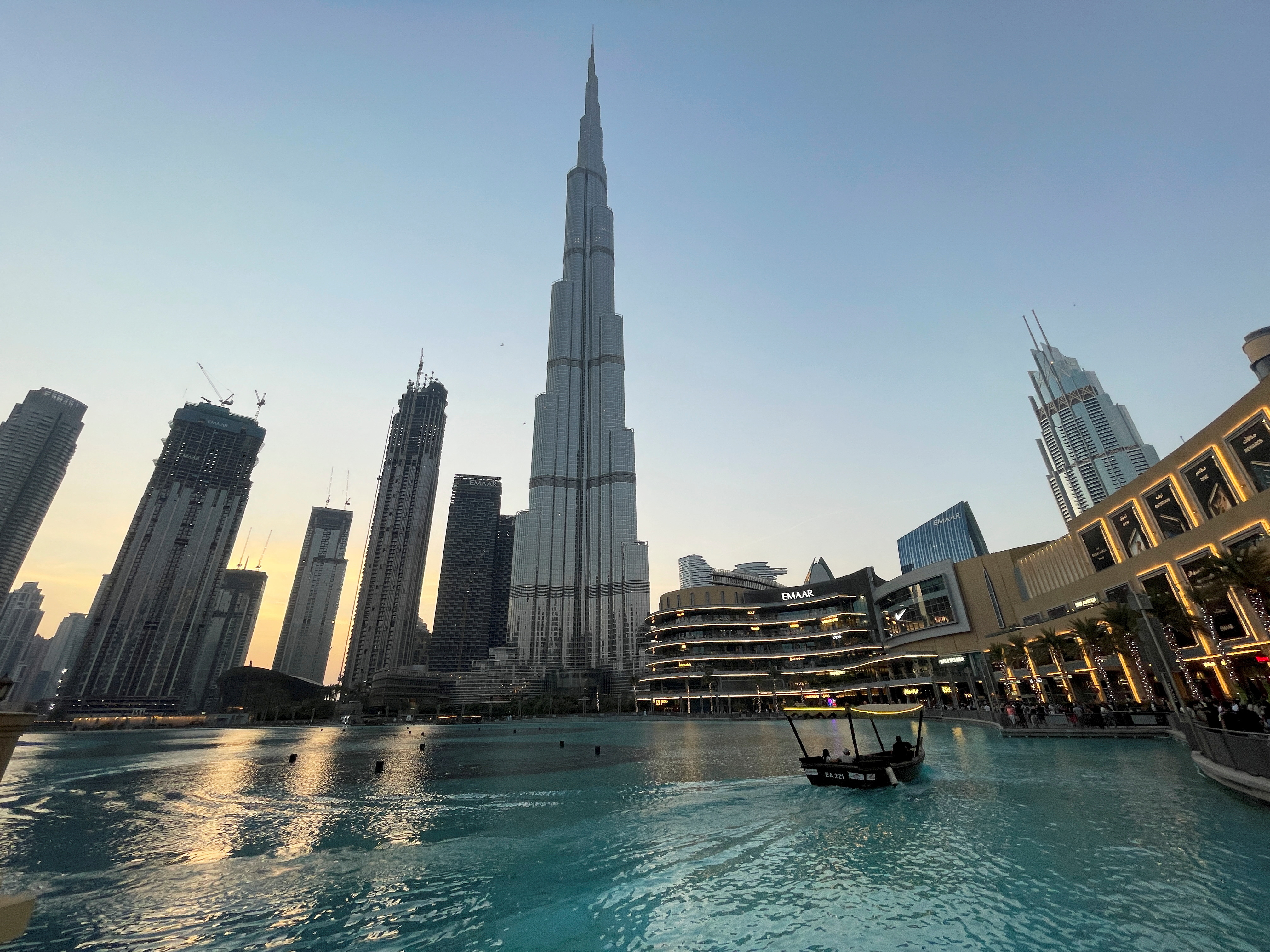

DUBAI — For weeks the drones and missiles arrived out of the dark, falling on the ports and skylines of the Gulf’s richest state until the tourists thinned and the hotels along the coast emptied. Now, people familiar with the arrangement say, Abu Dhabi has settled on the cheapest way to make them stop. It is going to pay.
The United Arab Emirates has agreed to unlock billions of dollars in frozen Iranian money in return for a halt to Iran’s attacks on its territory, four sources told Reuters in an exclusive published this week. Two regional sources put the sum at 10 billion dollars, more than 3 billion of it already delivered. Two others with knowledge of the arrangement said the real figure was closer to 20 billion. The payment, they said, buys more than quiet. It buys a reopening of relations between the two Gulf neighbours, including intelligence sharing and economic cooperation, according to Al Jazeera, which carried the report.
Then, on Saturday morning, the Emirati foreign ministry denied every word of it. No funds had been released, transferred or facilitated through the UAE, it said, calling the reports circulating in international media false. Yet a UAE official, pressed on the transfer, did not so much deny the substance as change the subject. The country, the official said, was working to ease tension and foster peace, its foreign policy guided by de-escalation and the reduction of tensions across the region.
That space, between a categorical denial and an official who answers a question about secret payments by talking about peace, is where the truth of this arrangement most likely sits. A government that had genuinely done nothing would have little need to praise its own commitment to de-escalation in the same breath.
To understand why Abu Dhabi might quietly pay a neighbour it publicly keeps at arm’s length, look at the war. For roughly a hundred days the United States and Israel have been fighting Iran, and for much of that time Washington has squeezed the Iranian economy harder than any battlefield could. A US naval blockade imposed in April has cut Iran’s oil exports to their lowest level in at least six years, an Al Jazeera analysis found, bleeding the government of nearly 6 billion dollars in revenue it cannot easily replace.
Iran’s answer was to make the war expensive for everyone who stood near it. Rather than absorb the pressure in silence, it turned its missiles and drones on the Gulf states whose ports, airspace and banks keep the American war effort supplied and the global oil trade moving. The UAE, a glittering hub built on the promise of safety, became a target. A strike on the Fujairah port on the Gulf of Oman in early May was only the most visible of the blows that sent expatriates packing and punctured the emirate’s most valuable asset, its reputation for calm.

Seen from Tehran, the arrangement now denied in Abu Dhabi reads as a quiet victory. A country under blockade, its oil revenue throttled and its war named by the World Bank as the single largest drag on the worst global growth forecast since the pandemic year, has still managed to force the wealthiest state on its doorstep to hand over billions for a promise of calm. Pressure was meant to isolate Iran. Instead it has Iran’s neighbours paying it to lower its guns.
The money does not move in a vacuum. It shadows the final stage of a much larger negotiation between Tehran and Washington over how to end the war, talks that could eventually free tens of billions of dollars in Iranian oil revenue frozen in foreign banks under American sanctions. Iran’s foreign minister has said a ceasefire has never been closer. Vice President JD Vance has signalled that any frozen funds would be released only as Iran meets its obligations, not the moment a deal is signed. Even so, the broader talks keep snagging on the same question the Emirati payment answers in miniature, the fate of Iran’s frozen billions, and Washington and Tehran have circled a deal for weeks without closing it.
For now those wider negotiations are stuck, with Bloomberg reporting that the two sides remain bogged down over the frozen assets and a parallel conflict between Israel and Iran’s allies in Lebanon. That is what makes the Emirati move, if it happened, so striking. Rather than wait for Washington to choreograph a grand bargain, Abu Dhabi appears to have cut its own side deal, trading money for safety on terms it could arrange itself.
It fits a wider Gulf recalibration. Across the region the old certainties of American protection have frayed, and governments long content to shelter under Washington’s umbrella are hedging, talking to rivals and reopening doors they once kept shut. Saudi Arabia has begun mending fences of its own, lifting a five-year freeze on Lebanese imports as Beirut leans back toward the Gulf. A UAE payment to Iran, however loudly denied, would be another sign that the Gulf’s capitals have decided their security is now a thing they must buy and broker for themselves.
The denial, read against all this, is not really a contradiction. The UAE cannot admit to moving money into a sanctioned Iranian account without exposing itself to the same American financial machinery that polices the dollar, the machinery that froze the funds in the first place. So it pays, if it pays, in the dark, and in the daylight it issues a statement. Tehran gets its billions, Abu Dhabi gets its quiet, and Washington is left to pretend it did not notice the floor shifting beneath its feet.