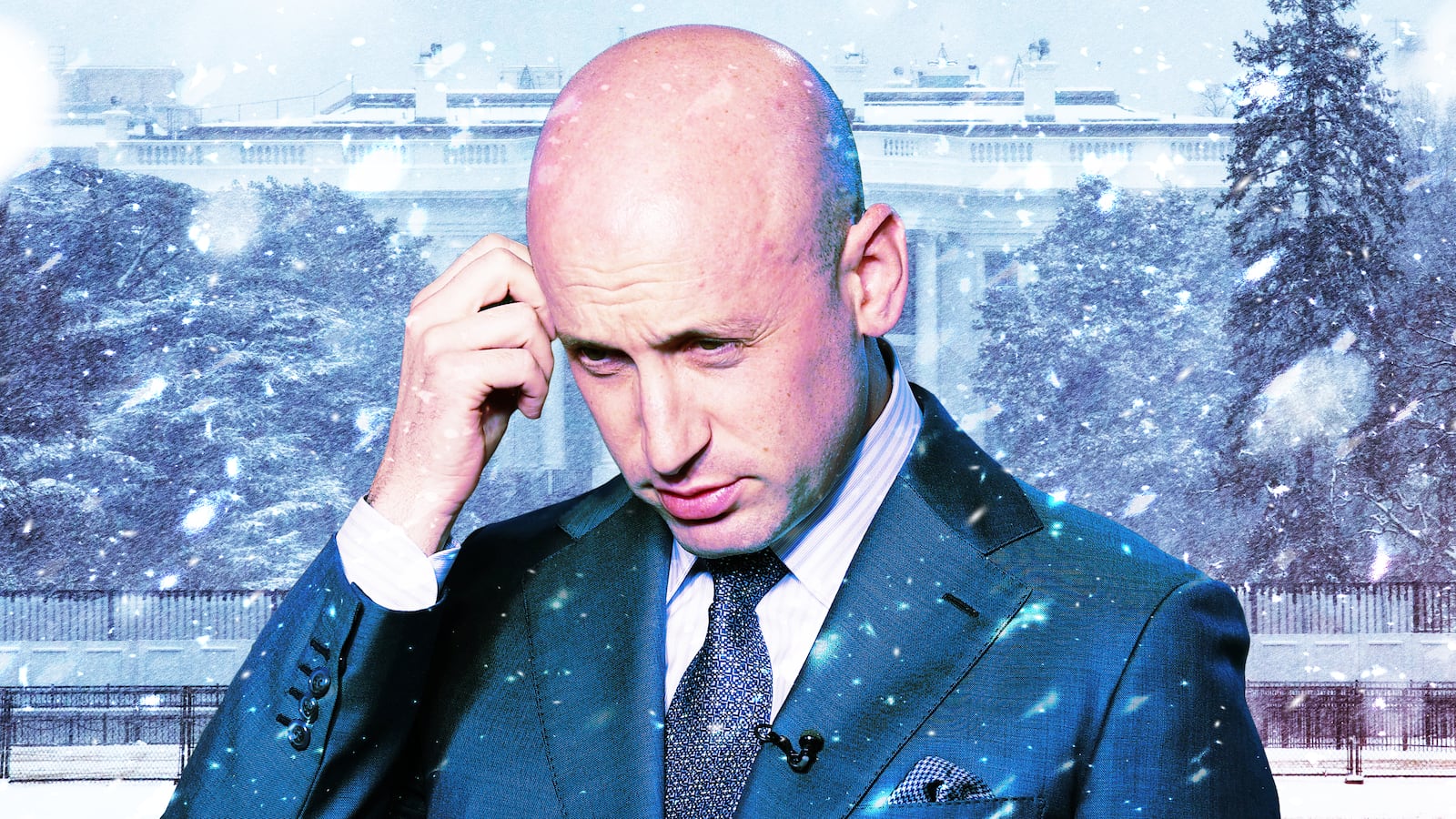

WASHINGTON — In the early weeks of April 2025, with federal judges blocking the Trump administration’s use of the Alien Enemies Act to deport Venezuelan migrants to Salvadoran prisons, deputy White House chief of staff for policy Stephen Miller pressed the West Wing to take a step no president has taken since Abraham Lincoln: suspend habeas corpus, the constitutional right that compels the government to justify a detention in court. That fight — and how close it came to producing an actual suspension — is the heart of a forthcoming book by New York Times correspondents Maggie Haberman and Jonathan Swan, an early excerpt of which The New Republic published Monday.
The book, titled Regime Change: Inside the Imperial Presidency of Donald Trump, is scheduled for release by Penguin Press on June 23, 2026. According to the excerpt and reporting compiled around its release, Miller’s push to suspend habeas corpus was driven by frustration with the federal judiciary’s repeated blocks on the administration’s signature deportation policy. He believed, the authors report, that eliminating immigrants’ ability to file habeas petitions would let the administration deport faster and at far greater scale than the courts had been willing to allow.
The internal opposition came from a less-public figure: Will Scharf, the White House staff secretary and a former federal prosecutor. On April 29, 2025, Scharf wrote a confidential memo to Chief of Staff Susie Wiles laying out a legal case against any suspension, the authors report. “Denial of habeas corpus rights was a key grievance underlying the American Revolution,” Scharf argued in the memo, warning that any presidential attempt to suspend the writ without an act of Congress would almost certainly be struck down in court and generate the kind of constitutional crisis the administration did not want. Wiles, persuaded by Scharf’s analysis, declined to elevate the proposal to the president.
The habeas debate ran alongside a parallel argument over the Insurrection Act — a Reconstruction-era statute that permits the president to deploy active-duty military forces against “insurgents” on American soil. Miller had argued for invoking it in the spring of 2025 as a way to override sanctuary-city resistance to federal immigration enforcement. The push intensified after a January 2026 immigration operation in Minneapolis in which federal agents shot and killed two American citizens during a confrontation outside a worksite, drawing protests that the administration described as “insurrection” and that Vice President JD Vance used as the trigger to revive the case for invocation. Scharf, again, wrote a memo warning against it.
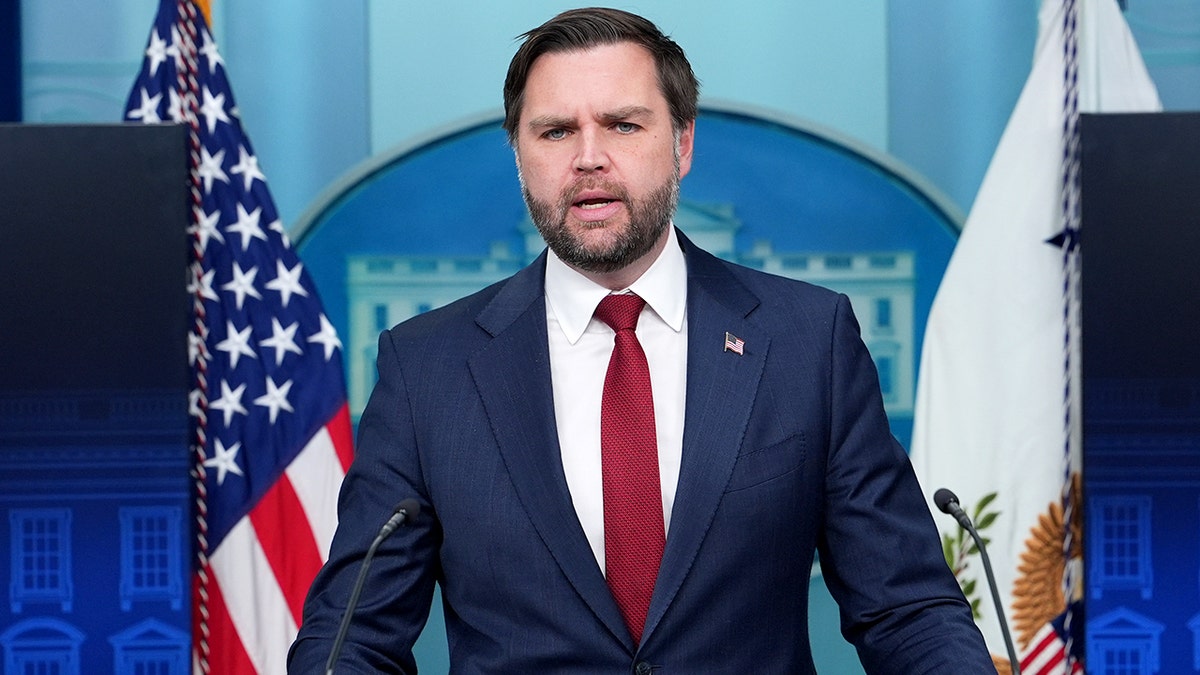
The Insurrection Act was not invoked, and habeas corpus was not suspended. But the book reports both options were live inside the West Wing in ways that were not previously public. Trump himself publicly threatened to “institute the INSURRECTION ACT” against Minnesota officials in late January 2026, and hundreds of military police troops were placed on alert for possible deployment to Minneapolis. Vance traveled to Minnesota on January 22, 2026, to publicly pressure local officials to cooperate with federal immigration agents, accusing the city’s police of refusing to help protect ICE during enforcement actions.
The cast of officials who appear in the Haberman-Swan reporting is broader than the public has previously seen tied to these decisions. Beyond Miller, Wiles, Scharf, and Vance, the authors place White House Counsel David Warrington, Deputy Chief of Staff James Blair, and Communications Director Stephen Cheung inside the internal debate. Raw Story’s summary of the book’s reporting describes an administration in which Miller’s most extreme proposals were repeatedly slowed not by Democrats or the courts but by lawyers inside the building who warned that the policies would not survive judicial review.
The disclosures arrive at a moment when the administration is already exposed on multiple fronts. Federal regulators are preparing OCC enforcement findings against nine major banks over alleged political debanking; a Reuters poll this week showed a 30-point collapse in Trump’s approval among rural voters; the administration’s 250-foot Independence Arch on the Potomac remains in litigation. The Haberman-Swan book is the first detailed account of how the administration’s most aggressive policy ideas have moved through the White House decision process.
The book’s central character is not Trump but the staff around him. Miller is portrayed as the policy entrepreneur pushing the administration’s most legally fragile ideas; Scharf as the institutional brake; Wiles as the gatekeeper who decided which proposals reached the president’s desk. For a constitutional protection rooted in the Magna Carta, codified in Article I of the United States Constitution, and suspended only four times in American history — by Lincoln during the Civil War, by Ulysses S. Grant in nine South Carolina counties in 1871, in the Philippines in 1905, and in Hawaii after Pearl Harbor — the question of how close it came to being suspended a fifth time, in the spring of 2025 in a White House dispute over deportation pace, is now part of the public record three weeks before the book is even out.
Related Posts