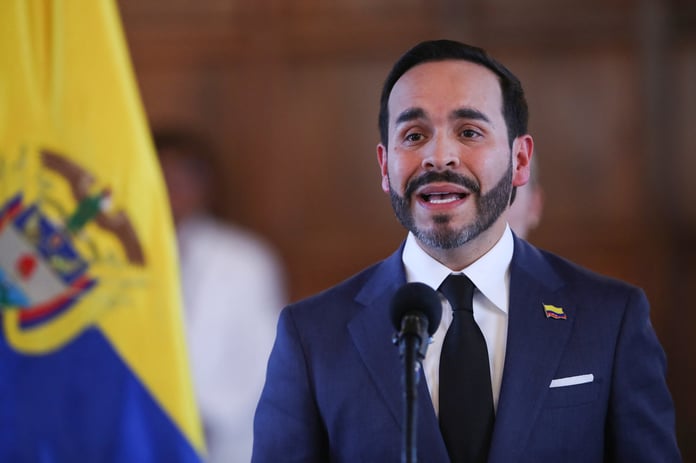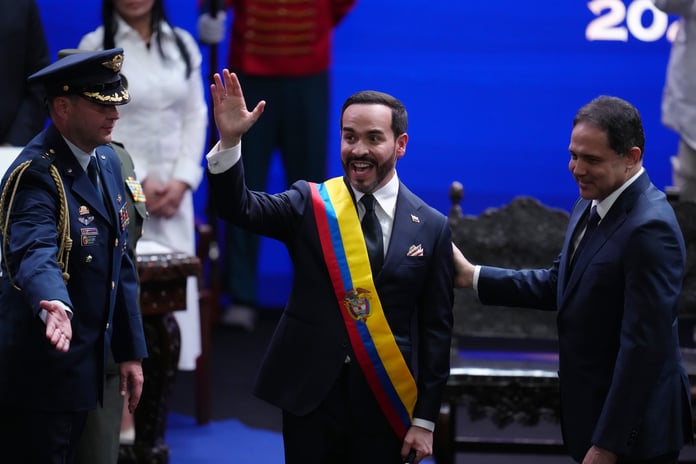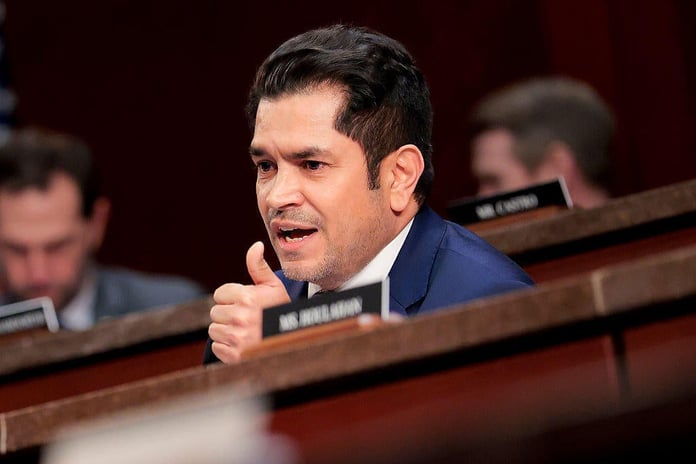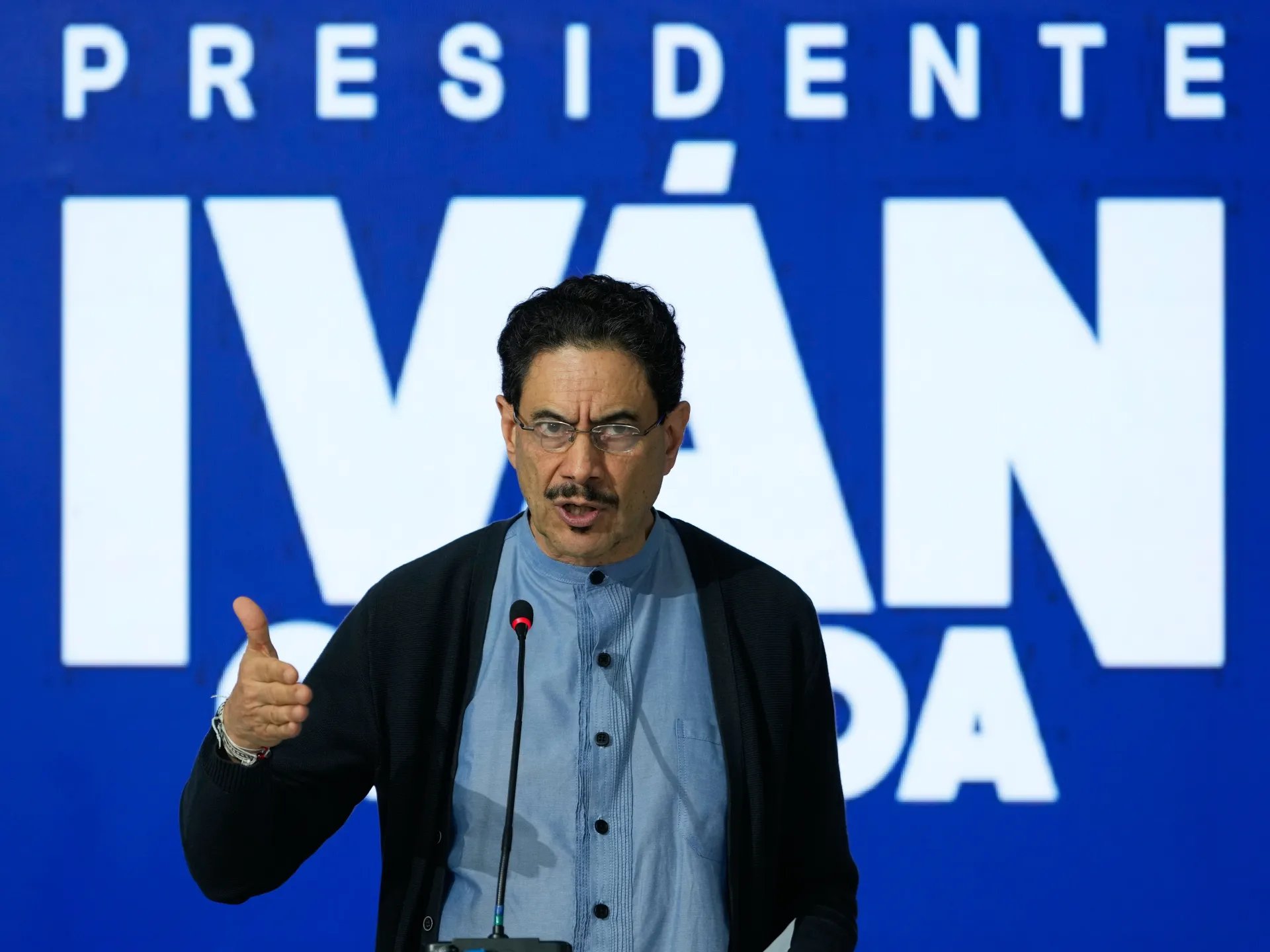

BOGOTÁ – Iván Cepeda, the left-wing senator who lost Colombia’s June 21 presidential runoff to Abelardo de la Espriella, is calling on his supporters to prepare for peaceful civil disobedience if the president-elect does not renounce his US citizenship before taking office and fails to clarify whether he has worked as an agent of American intelligence services.
In a statement issued Tuesday, Cepeda framed the demands in stark terms of national sovereignty, arguing that a president who holds American citizenship, and who may have worked with the Central Intelligence Agency, the Federal Bureau of Investigation, or the Drug Enforcement Administration, cannot faithfully discharge the obligations of Colombia’s highest office.
“First and foremost, it must be absolutely clear and established that de la Espriella renounces his US citizenship, and he must clarify whether he is an agent or employee of US intelligence agencies,” Cepeda said. “One cannot be an agent or employee of the US Drug Enforcement Administration and head of the Colombian state.”
Cepeda argued that when de la Espriella obtained US citizenship, he swore an oath of allegiance to American interests that is fundamentally incompatible with the duties of Colombia’s president. He cited de la Espriella’s documented professional work with American agencies as the factual basis for the demand that the incoming leader explain those contacts publicly and in detail. The senator also said he will not recognize de la Espriella as head of state if the conditions go unmet, according to the Associated Press.
The allegations of intelligence ties are rooted in de la Espriella’s legal career. The president-elect has acknowledged representing Alex Saab, a Colombian-Venezuelan businessman detained in the United States on charges of laundering money for deposed Venezuelan President Nicolás Maduro. De la Espriella has said his contacts with the DEA, CIA, and FBI arose from attempts to facilitate negotiations over Saab’s case that ultimately did not succeed, and he has described the legal representation as standard practice of law. No independent finding by a judicial or investigative authority has established that de la Espriella acted as an agent of any US intelligence service.
Cepeda also cited a letter signed by eleven US Democratic members of Congress asking the US attorney general and Treasury to investigate whether financial transactions partly financed by Saab may have benefited de la Espriella. That letter is a congressional request, not a finding of wrongdoing.
Beyond the citizenship and intelligence questions, Cepeda issued two additional conditions. He demanded that de la Espriella’s incoming government cease all legal pressure against outgoing President Gustavo Petro and withdraw any efforts to extradite him, a reference to federal prosecutors in Brooklyn who have said they are investigating Petro for potential ties to drug traffickers. He also called on the president-elect to stop encouraging the US Department of Justice to pursue Colombian political opponents. De la Espriella has said he is willing to facilitate Petro’s extradition if American proceedings advance and a request is formally made.
Cepeda declared that without full resolution of these issues, he would not recognize de la Espriella as head of state, and that if the incoming president proceeds to inauguration on August 7 without meeting the conditions, his administration would be “tainted by illegality and lack of legitimacy.” Legal analysts noted that Cepeda’s refusal to recognize de la Espriella carries no judicial weight. The National Electoral Council certified de la Espriella’s victory on June 25 after a full recount affirmed his margin of roughly 251,000 votes over Cepeda out of more than 26 million cast.
For his part, de la Espriella has not responded directly to Cepeda’s demands. He has previously stated that the Colombian constitution does not prohibit dual nationality for a president, the constitution requires only that a candidate be Colombian-born and at least 30 years old, conditions he meets, and that his commitment is to Colombia. He is also a citizen of Italy.
A political science professor at Bogotá’s Javeriana University, Manuel Camilo González, told the Associated Press that while Cepeda’s position has no legal force, it could energize street protests and complicate the new government’s legislative agenda. Cepeda’s party, Petro’s Historical Pact coalition, holds the largest bloc in the Colombian Senate, though it falls short of the majority needed to block legislation unilaterally.
The move follows an already fraught transition period. When preliminary results showed de la Espriella winning the June 21 runoff by less than a percentage point, both Petro and Cepeda initially declined to recognize the outcome, with Cepeda citing concerns over the count and demanding a recount. The electoral authority completed that process before officially certifying de la Espriella’s victory, and Cepeda subsequently conceded, saying he accepted the result and would serve as constructive opposition in the Senate.
Cepeda’s Tuesday announcement represents a harder edge to that opposition posture. He also called on US authorities to disclose any records relating to de la Espriella’s contacts with the CIA, FBI, and DEA, and he urged his supporters to engage in peaceful civil disobedience as a means of pressuring the incoming administration on questions he says go to the heart of national independence.
The dispute sits within a broader argument about what de la Espriella’s election means for Colombia’s relationship with Washington. His campaign received a public endorsement from US President Donald Trump, and he has pledged to join the Shield of the Americas, Trump’s regional security coalition. His critics on the left have framed that alignment as evidence of foreign influence over Colombian sovereign decisions. Before the election, Petro accused Trump of interference, telling him to stay out of Colombia’s electoral process.
Whether Cepeda’s demands gain traction beyond his political base depends in large part on whether his party can sustain the framing of dual citizenship as a constitutional and sovereignty problem rather than a political grievance. De la Espriella takes office on August 7.
Related Posts