
TEHRAN – The exchange rate gap tells the story before any official statement does. Iran’s 2025/2026 budget allocates 20 million barrels of crude oil to the IRGC Aerospace Force at roughly 600,000 rials per euro. The open market rate is approximately 1.14 million rials per euro. On 20 million barrels, the spread between those two rates represents a multibillion-dollar implicit transfer from the state treasury to the military at the precise moment President Masoud Pezeshkian is trying to close a diplomatic agreement that would curtail the military’s independent revenue ambitions entirely.
Pezeshkian defended that allocation publicly on July 2, according to IranWire. The defense was not addressed to Washington. It was addressed to the domestic critics who have spent two weeks attacking the Islamabad Memorandum of Understanding his government signed, and who have framed the IRGC’s oil entitlement as a symptom of a civilian government too eager to buy military support for an unpopular deal.
The IRGC’s public response was unusual in what it declined to express. Brigadier General Hossein Mohebbi, the corps’ spokesperson, told reporters that “it is the government’s responsibility to support the armed forces” – a formulation that acknowledged neither the allocation’s significance nor the government’s political cost in delivering it. The IRGC did not contest the numbers. It also did not treat them as a concession.
That indifference reflects the arithmetic. From the corps’ perspective, the 20-million-barrel oil allocation is a recurring budget line – an institutionalized subsidy the government is obligated to provide regardless of diplomatic circumstances. What the IRGC has been pushing since the MoU was signed is something the budget cannot deliver: a Hormuz transit toll system that, at the rates Iran has proposed, would generate an estimated $40 billion annually in fees from commercial vessels transiting the waterway. Against that figure, the oil allocation is roughly 3 percent of the corps’ alternate revenue scenario.
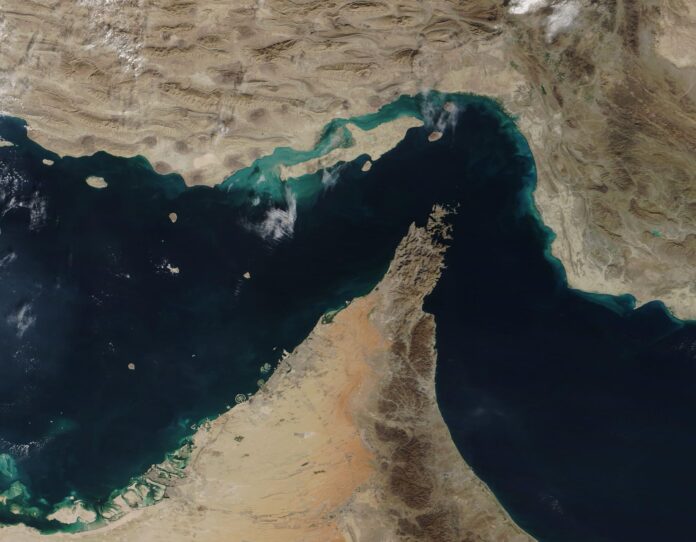
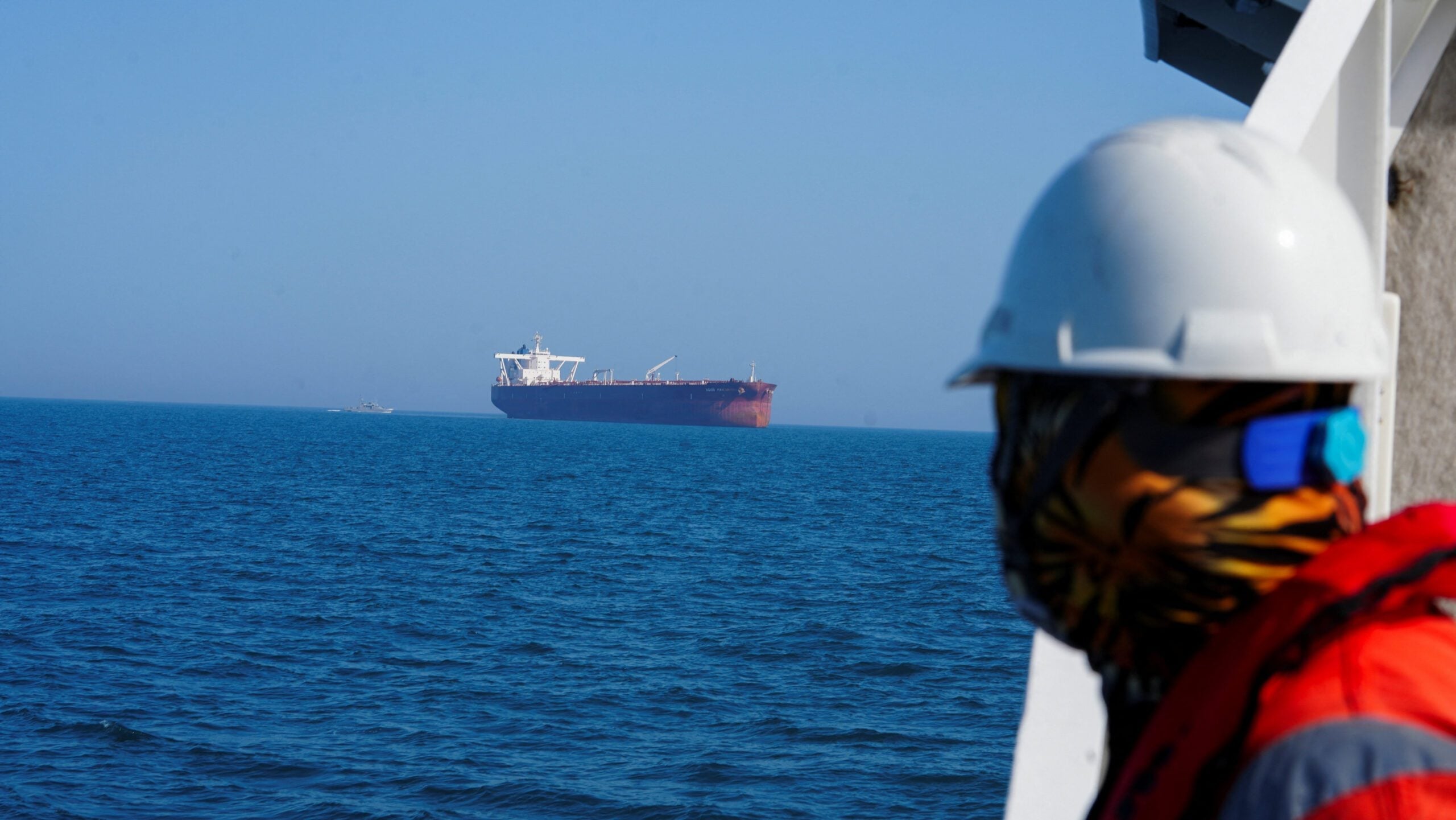
The MoU framework and the toll architecture are structurally incompatible. The ceasefire agreement commits Iran to restoring commercial navigation through the Strait of Hormuz under terms that, in US and Gulf State interpretation, preclude a mandatory fee-based system. Traffic through the strait has recovered to only about a third of pre-conflict levels, with shipping operators and underwriters citing toll uncertainty as one of three structural reasons vessels are not returning. The IRGC knows that a working MoU ends the toll window. The Wall Street Journal reported this week that IRGC officials threatened to close the strait again if Iran was not guaranteed full control at the Doha talks – specifically over the routing and toll questions the ceasefire framework left unresolved.
Pezeshkian is therefore defending an oil allocation to an institution whose primary financial interest lies in a negotiating outcome incompatible with the deal the president has already signed. The budget line is not leverage over the IRGC. It is the government’s acknowledgment that the corps has claims on state resources that exist independent of whether the deal succeeds.
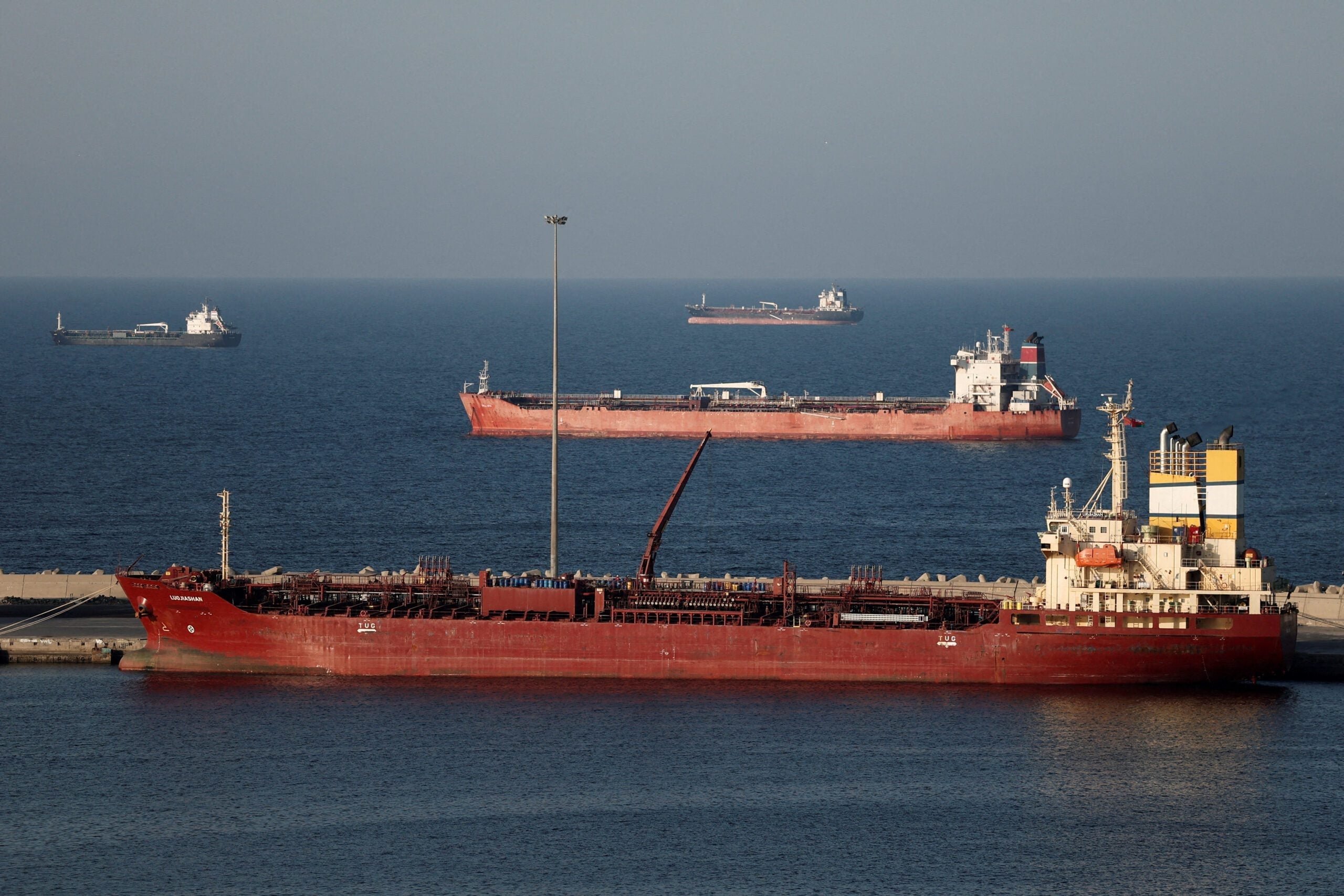
This dynamic explains the shape of Iran’s domestic political crisis over the MoU, which has been misread in some Western coverage as primarily a civilian-versus-clerical conflict. The Assembly of Experts fracture – where more than 60 of 84 members declared the deal a “strategic mistake” before the body’s own secretariat rebuked them for speaking out of turn – is the visible edge of a broader institutional contest over who controls the economic architecture of Iran’s post-war settlement. The clerics and the corps agree that Hormuz should remain closed until Israel withdraws from Lebanon. They agree for different reasons: the clerics on theological and political grounds, the IRGC on financial ones.
Pezeshkian is defending the deal on economic grounds as well – but from the civilian government’s perspective rather than the military’s. The $6 billion in frozen Iranian assets moving through the Doha process, and the oil export revenue the US sanctions waiver is already generating, flow to the state budget rather than to the corps. Iran is selling roughly 40 to 50 million barrels of crude in the first two weeks after the MoU was signed, at a premium of about 20 percent over blockade-era prices – revenue that accrues to the civilian government’s fiscal position, not to the corps’ operational budget.
The IRGC’s declining to treat the oil allocation as meaningful was not a gesture of institutional harmony. It was the corps declining to treat the budget line as its reason to back the deal – because the deal, from the IRGC’s financial perspective, costs more than the allocation is worth. Whether that calculation is openly communicated to Iran’s negotiating team at Doha, or whether the corps maintains its own channel to the talks independently of the Foreign Ministry, is the question the published readouts from this week’s sessions have not answered.
Forty-five days remain before the Islamabad MoU expires. The Iranian president is defending an allocation that the institution it is meant to retain doesn’t publicly value. What the IRGC is waiting for is not a budget concession. It is a Doha outcome that guarantees the toll, or a collapse of the MoU that keeps the strait closed long enough to impose one.