
TEHRAN – Masoud Pezeshkian traveled to the holy city of Qom on the morning of July 1 after senior clerics had called his agreement with Washington a “strategic mistake.” The trip was not announced in advance. It was the kind of visit that follows a rebuke, not a briefing.
The clerics who issued that verdict are not marginal voices. They are members of the Assembly of Experts – the body that selected Ali Khamenei’s successor – and who now hold institutional authority over Iran’s religious establishment at the precise moment the country’s president needs that authority behind him. When they call the Islamabad Memorandum of Understanding a strategic error, it is not opposition rhetoric. It is a structural challenge to the deal’s domestic legitimacy.
Pezeshkian had spent the previous day building legitimacy by other means. On June 30, he publicly invoked Khamenei’s personal blessing for the MoU, telling the country that the agreement with the United States had been reached “in full coordination with the Supreme Leader.” The statement was addressed not to Washington but to Tehran – specifically to the hardline factions that have spent two weeks attacking the negotiating team that produced the deal. Invoking a dead man’s authority is an unusual political resource. In the current circumstances, it is the strongest one available.
The framing is politically precise and historically fragile. Khamenei cannot be asked to confirm or clarify his endorsement. He cannot publicly defend the negotiators or discipline their critics. What he left behind is a conditional approval whose conditions are now being interpreted by factions with competing interests in what those conditions were. Pezeshkian’s version is that the Supreme Leader endorsed the framework. The clerics who rebuked the deal in Qom are advancing their own reading: that the late leader’s reservations were deeper than the president acknowledges, and that the negotiating team exceeded the mandate it was given.
The Doha talks have already been paused for the Khamenei state funeral, with Qatar’s foreign ministry confirming they will resume after July 9. That five-day pause costs the MoU five of its remaining 45 days. But the domestic political problem Pezeshkian flew to Qom to address is on a faster timeline than the diplomatic one: the mourning period is also producing a media suppression directive that forbids state broadcasters from spotlighting internal political disputes, which means the hardliner campaign against the negotiators cannot be openly rebutted while the funeral is ongoing.
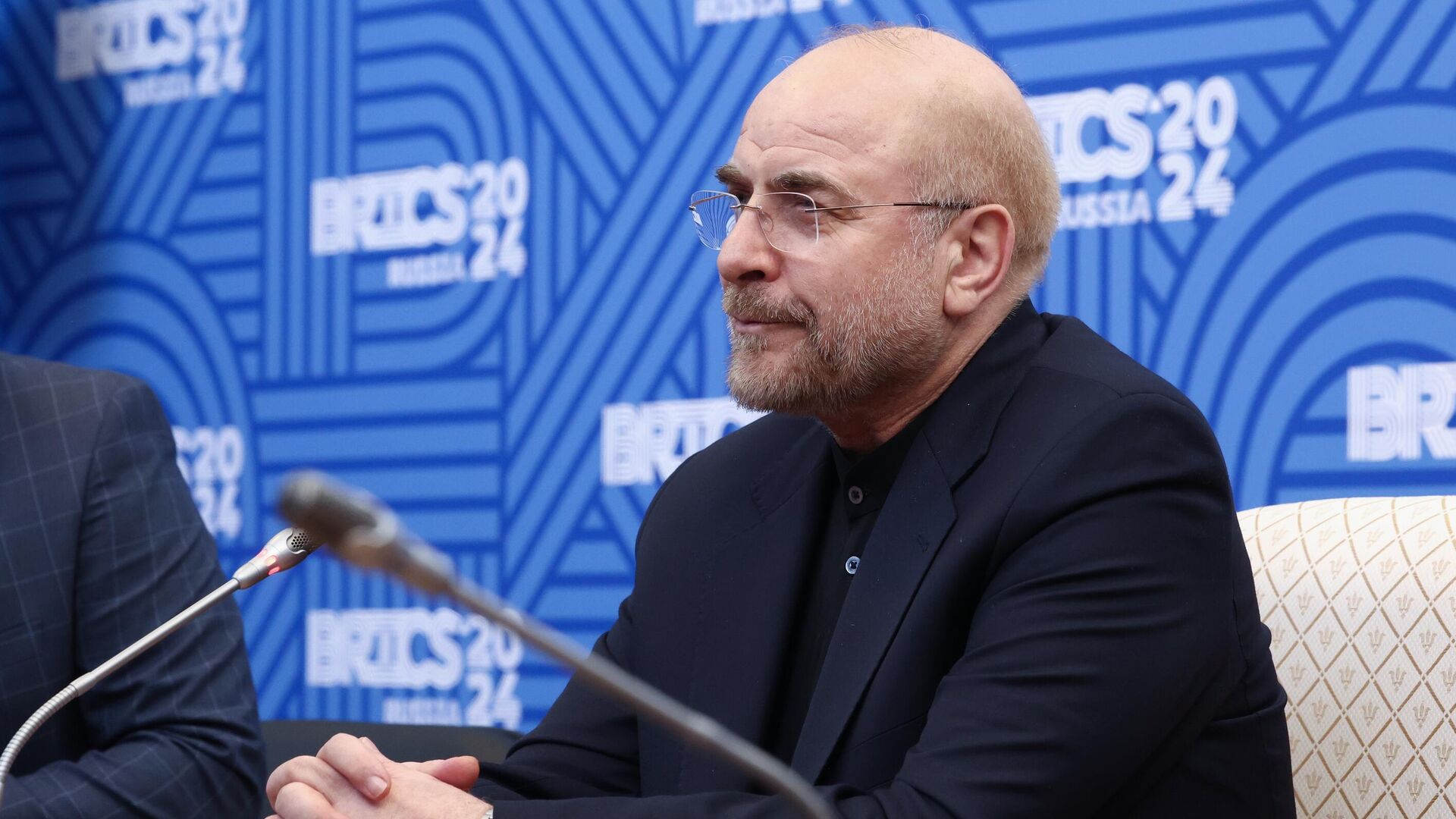
The negotiating team Pezeshkian is defending includes Parliament Speaker Mohammad Bagher Ghalibaf, who served as Iran’s lead interlocutor in the Doha sessions. On July 2, Ghalibaf stated that Iran would grant the IAEA “no access beyond what has been authorized by the Supreme National Security Council” – a position that directly contradicts US demands for unrestricted inspector access to the sites struck in the February airstrikes. Ghalibaf this week also had a pre-recorded interview cut short by state broadcaster IRIB. Parliamentarians condemned the cut as censorship. What was removed has not been disclosed.
The hardliner attacks on Iran’s negotiators follow a recognizable pattern. After the 2015 JCPOA was signed, conservative factions spent years targeting the Foreign Ministry team rather than relitigating the nuclear text directly. The 2026 version is running hotter and faster, partly because the stakes are higher – the bombed nuclear sites are irretrievable, the Supreme Leader is dead, and the 60-day MoU window does not pause for internal Iranian politics – and partly because the government has no living Supreme Leader to impose discipline on the critics. Iran’s chief negotiator has repeatedly said the nuclear sites remain off-limits to IAEA inspectors, a position designed to give hardliners a visible win – but it has not quieted the opposition.
Pezeshkian’s vulnerability is structural. His government won a plurality in Iran’s factionally-contested elections but never commanded a majority in parliament or in the clerical institutions that shape national security policy. He needed Khamenei’s authority to move on negotiations. With that authority now transferring to the Assembly of Experts and to whatever succession arrangement emerges in the coming weeks, neither institution has publicly endorsed the MoU or the negotiating team that produced it. Pezeshkian is defending a deal that the new center of Iranian institutional power has not yet chosen to back.
The Doha process produced a communications hotline and partial movement on $3 billion in frozen Iranian assets, but left the questions most likely to inflame domestic opposition unresolved: IAEA access to the bombed nuclear sites, the Strait of Hormuz navigation framework, and Israel’s continued military presence in southern Lebanon. Those are precisely the points hardliners cite when they argue the deal gave away too much. Ghalibaf on July 1 separately confirmed that sanctions on Iranian oil exports have been suspended and that frozen asset releases were being accelerated – but these are benefits Iran has already received, not concessions still on the table.
Whether the clerics in Qom were persuaded by Pezeshkian’s visit is not known. Iran’s mourning-period media suppression means that whatever was said on July 1 will not surface publicly before the funeral concludes on July 9 – the same day talks in Doha are scheduled to resume. The 60-day window expires in mid-August. Pezeshkian is trying to negotiate a permanent agreement with Washington at a moment when the domestic coalition he needs to sustain it is being contested by the very institutional forces that define what counts as a legitimate Iranian foreign policy. The clerics heard the president’s case. Iran will not learn what they made of it until the mourning ends.
Related Posts