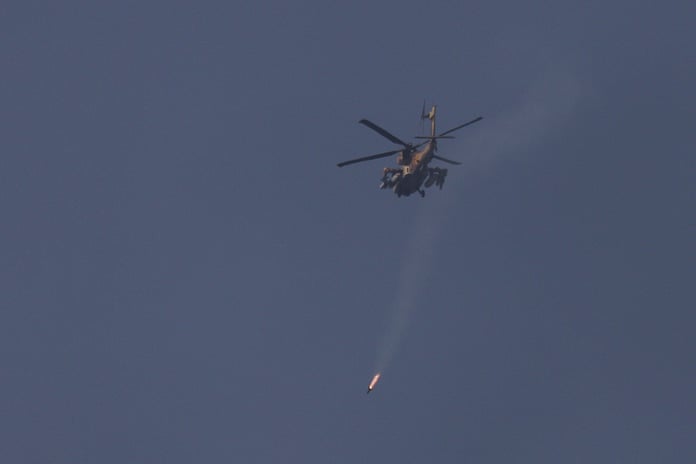

BEIRUT — Ali spent 20 years turning a plot of land in Naqoura into something that worked. A house, a garden, a set of neighbors who knocked on each other’s doors without warning. When Israel’s military pushed into southern Lebanon in March, he left with what he could carry. He is living now in a single room on the roof of a relative’s building in Beirut, looking out over a city he does not know.
More than 1.2 million Lebanese fled their homes between the start of Israel’s offensive and the ceasefire that followed. Basma Alloush, a displacement coordinator with the International Rescue Committee, said what gets lost in the statistics is that villages are not just collections of buildings. They are the terrain of a life, the pharmacy where your prescriptions are on file, the mosque where your grandfather is buried, the street where your children learned to navigate the world. “When those markers of belonging disappear,” she said in Beirut last month, “people do not know where they belong.”
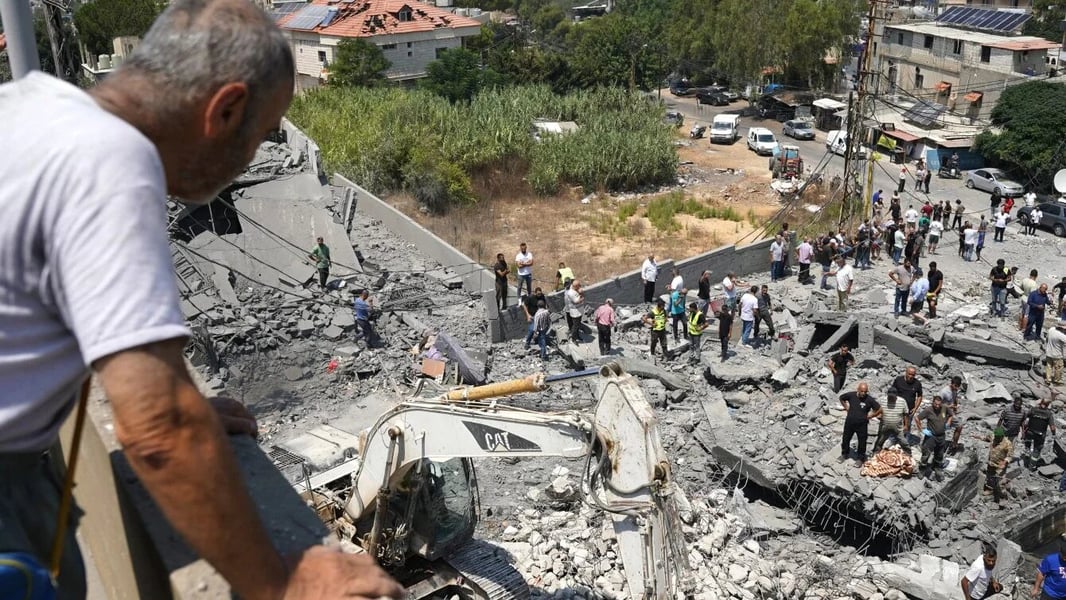
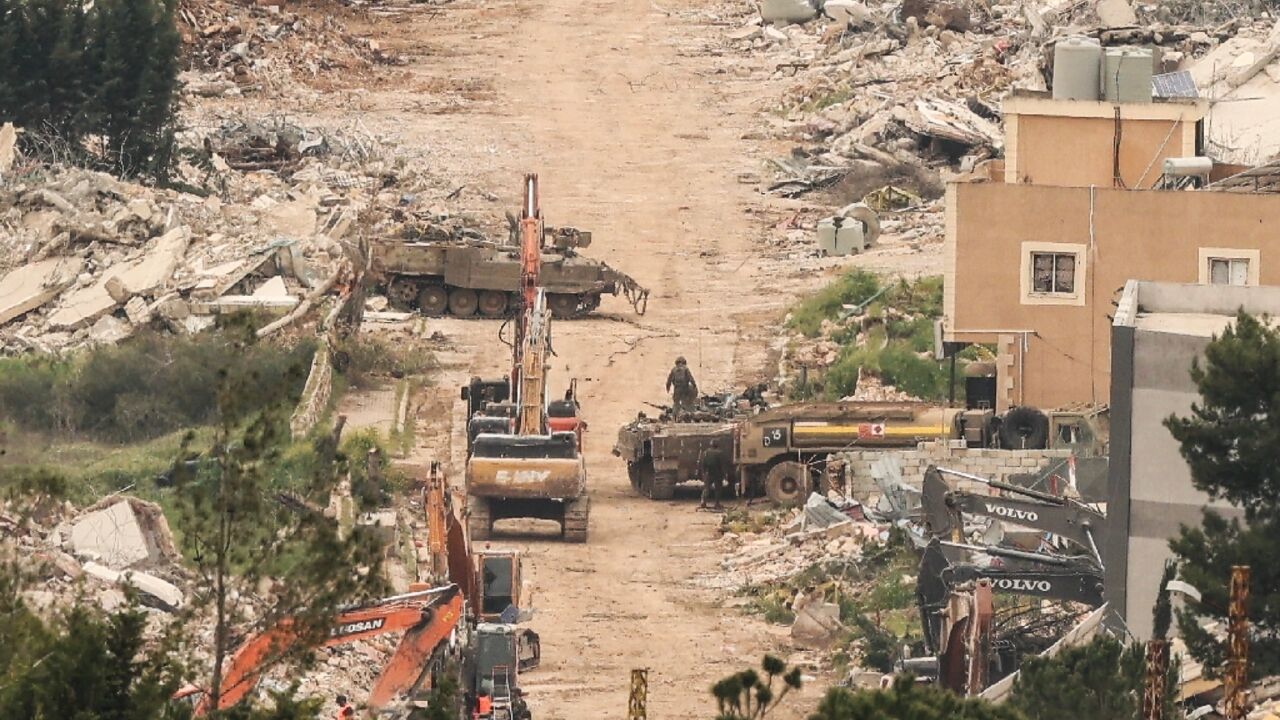
A UNDP assessment released in June counted 11,095 buildings destroyed across southern Lebanon since March, representing 45 percent of the urban fabric in the affected zones and six percent of Lebanon’s entire territory. The numbers account for what can be measured from satellite imagery. They say nothing about what those buildings held.
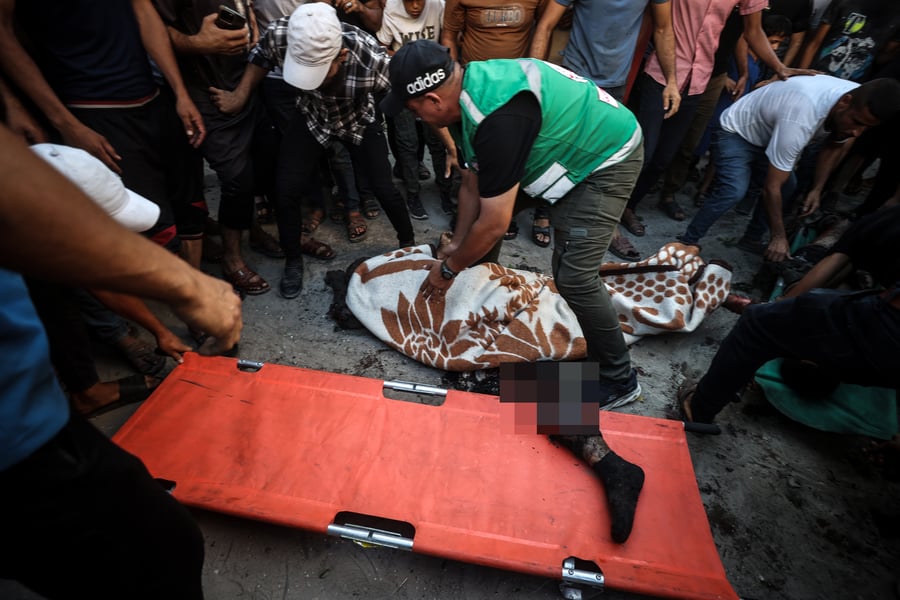
The towns are named in the assessment in the dry register of damage surveys: Bint Jbeil, Kfar Kila, Meiss el-Jabal, Taybeh, Deir Siryan, Naqoura. At least 4,257 Lebanese have been killed since Israel expanded its operations earlier this year, with more than 12,000 wounded. Families that had survived the 2006 war, the 2019 financial collapse, and the 2020 port explosion now find themselves in a third displacement in a generation.
The psychological literature on conflict displacement has grown substantially since the Syrian crisis, but mental health professionals working in Lebanon say this situation has a specific character. Aya Mhanna, a trauma specialist at the American University of Beirut Medical Center, said the connection between place and identity is not metaphorical. A person’s sense of who they are is partly constructed from their physical environment, she told Al Jazeera. When that environment no longer exists, they lose access to the external scaffolding of their identity. She is not yet seeing the full scope of the psychological toll, she added, because most of those affected are still in acute survival mode and have not had the conditions to process what they have lost.
Davide Musardo, who coordinates mental health programming for Médecins Sans Frontières in Beirut, drew a comparison to patterns he observed in Gaza. There, he said, the scale of destruction produced a dissociation that was not depression in the clinical sense but something closer to a collapse of the narrative structures people use to make sense of their lives. The village as anchor, the home as archive, the street as autobiography. When these are gone, people do not simply grieve. They lose the infrastructure of memory itself.
Lebanon was not in a position to absorb this. The financial system that collapsed in 2019 never recovered. The port explosion of 2020 took out the physical heart of Beirut. The government has changed multiple times since, without resolving the institutional dysfunction that preceded the crisis. What existed before Israel’s March offensive was not a country capable of managing a displacement of this scale. What exists now is a country being asked to reconstruct 11,095 destroyed buildings on top of everything else it could not fix.
The international community keeps getting the recovery calculus wrong, according to Dr. Joseph El-Khoury, a Lebanese psychiatrist based in London who advises on post-conflict mental health policy. Reconstruction conversations almost always lead with buildings and infrastructure. The mental health dimension trails behind, if it arrives at all. “You cannot heal the trauma of destruction in a temporary shelter,” he said in an interview last week. The psychological requirement and the physical requirement are the same: to return, to rebuild, to be in the place that was taken. “Without that, what you are offering people is permanent impermanence.” He does not know when return will be possible. No one does.
One detail from the UNDP assessment did not appear in the top-line damage figures. A teenage girl from Bint Jbeil, interviewed by field researchers in the weeks after her family fled, was asked what she missed most about her home. She did not answer with a room or an object. She said a part of her had been destroyed along with the house and she did not know how to get it back. The researchers did not know either. They included her words in a footnote and moved on.
Israel has said its operations in southern Lebanon were directed at Hezbollah infrastructure, not civilian life. The ceasefire agreed in late 2025 included provisions for Israeli forces to withdraw and for Lebanese army units to extend their deployment in the south. The withdrawal has been contested. Return timelines for displaced residents have not been set. The reconstruction money has not arrived.
That last gap is not new. Lebanon negotiated significant international pledges at the Paris conference in January, and another round of commitments at the Qatar talks in Doha, where Lebanon’s reconstruction needs were placed on the regional agenda alongside six billion dollars in pledged support. The gap between pledged and disbursed has defined Lebanese reconstruction diplomacy for two decades. It defined it after 2006. It is defining it now.
The road back to Naqoura, to Bint Jbeil, to Kfar Kila, runs through a political negotiation that has barely begun, a security arrangement that is not yet enforced, and a reconstruction apparatus that does not yet exist. The pattern of Israeli strikes continuing deep into the ceasefire period has deepened the uncertainty about whether any timeline for return can be trusted.
Ali did not ask when he could go back. He asked whether there was anything to go back to. No answer has arrived.