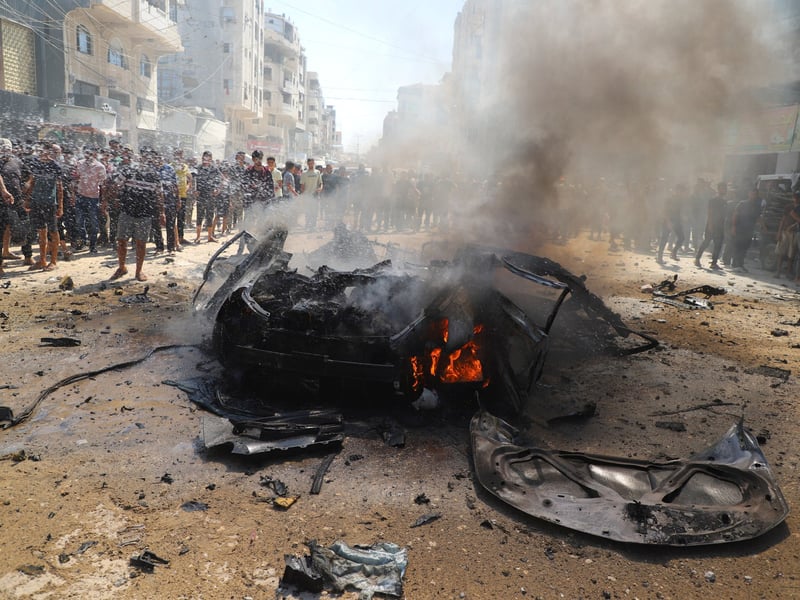

BEIRUT — Ali does not describe what happened to Naqoura with statistics. He describes it with arithmetic. “We had 20 good years,” he said of his life in the southern Lebanese coastal town, speaking from the rooftop room in Beirut where he has lived since Israel re-invaded Lebanon in March. The seaside home he built over two decades no longer exists. Neither do most of the streets around it.
He is one of roughly 1.2 million Lebanese people displaced at the height of Israel’s offensive this spring, a figure that measures movement but not meaning. Basma Alloush of the International Rescue Committee put the problem in terms that have become familiar to her teams in the south: when a village is flattened, people lose the markers that told them where they belonged.
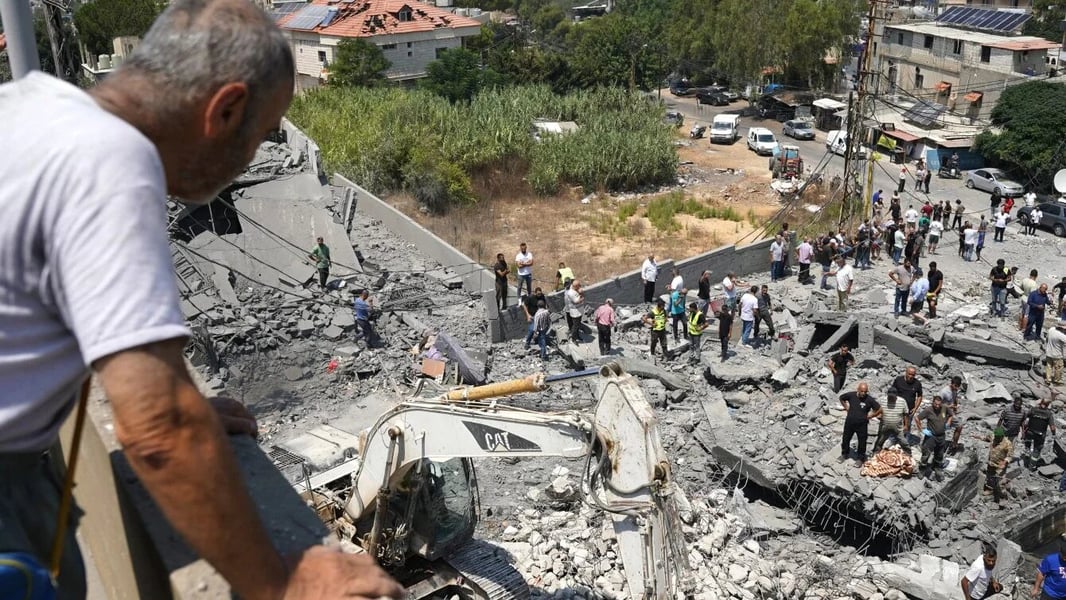
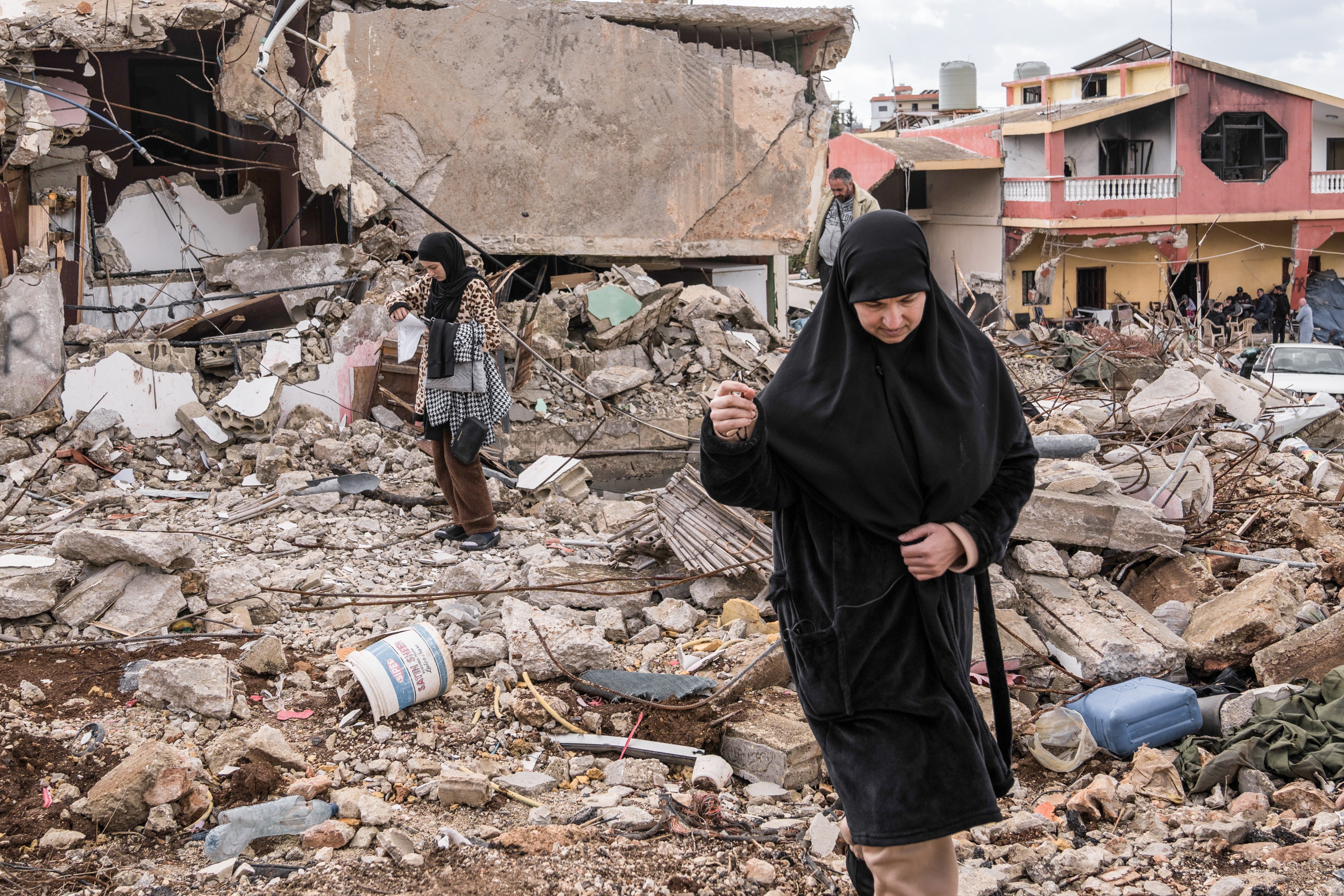
A United Nations Development Programme assessment, drawing on satellite imagery and field surveys conducted through June, found that 11,095 buildings have been completely destroyed across southern Lebanon since March 2, 2026. Forty-five percent of urban areas in the south have been damaged or demolished. Six percent of Lebanese territory remains under Israeli military occupation. The number is offered as documentation. What it cannot document is what it meant to live inside those 11,095 buildings.
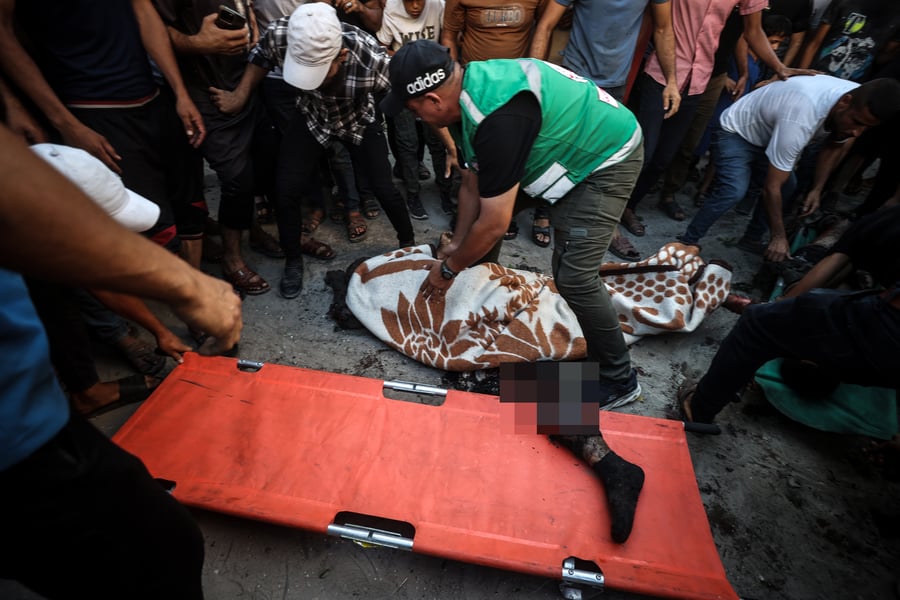
Among the towns documented in the assessment are Bint Jbeil, Kfar Kila, Meiss el-Jabal, Taybeh, Deir Siryan and Naqoura, communities with histories stretching back to Phoenician settlement. Satellite photographs now show them as rubble fields identifiable mainly by coordinates. The Lebanese Ministry of Public Health recorded 4,257 people killed since the March offensive began, with more than 12,000 wounded.
Aya Mhanna, a mental health specialist who has documented displacement patterns across the south, told Al Jazeera that the destruction exceeds what conventional humanitarian frameworks were designed to address. People lose more than a physical structure when a village is razed, she said. They lose the place that had silently organised their identity across decades: the corner that marked the end of a familiar street, the building that signalled arrival, the visual architecture that ordered their lives before they had conscious words for any of it.
Davide Musardo, a clinical psychologist with Doctors Without Borders who worked alongside Gaza residents attempting to return to their destroyed neighbourhoods, described a specific pattern of disorientation. Patients could not recognise the spaces they were standing in. Streets they had lived on for years refused to confirm what their memories held. The experience was closer to dissociation than confusion: a landscape that had stopped providing the evidence needed to know where, or who, one was.
Lebanon carries into this crisis a weight of accumulated catastrophe that distinguishes it from most conflict zones. The 2019 uprising and its crackdown, the 2020 banking collapse, the August 2020 Beirut port explosion, and nearly three years of low-intensity conflict along the southern border all preceded Israel’s full-scale March offensive. Mental health infrastructure in Lebanon was already beyond capacity before the first village in the south was levelled. What the UNDP assessment now measures is a second layer of destruction imposed on a population that had not recovered from the first.
Dr. Joseph El-Khoury, a consultant psychiatrist, described the risk not as immediate trauma alone but as what follows the removal of place itself. Without a home functioning as a symbol of safety, the environment becomes a continuing source of threat rather than relief. Recovery, he said, cannot begin with promises. It requires the visible reconstruction of infrastructure, the restoration of roads and water and electricity, and urban planning that treats southern Lebanese communities as something more than zones to be eventually reopened.
A teenager interviewed in one of the affected towns said a part of her had been destroyed. She was not talking about her house specifically. She meant something interior.
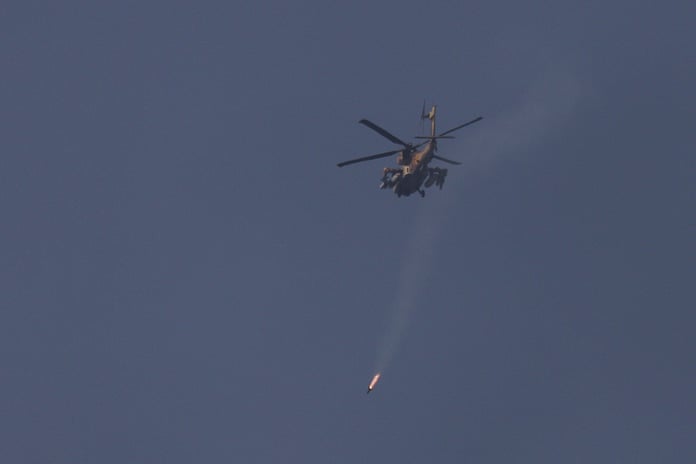
Israel’s stated military objectives have centred on removing Hezbollah infrastructure from the southern border corridor. Israeli officials have indicated that displaced residents should not expect to return soon. What that timeline means for a population whose clinical literature says recovery must begin at the earliest moment of stability, rather than after all hostilities end, is a question no party to the conflict has answered publicly.
Diplomatic pressure around Lebanon’s ceasefire violations has continued through Iranian-brokered back-channels in Doha, but none of the frameworks under discussion have produced a reconstruction timetable for southern Lebanon. The displacement Al Jazeera documented this week has no defined end.
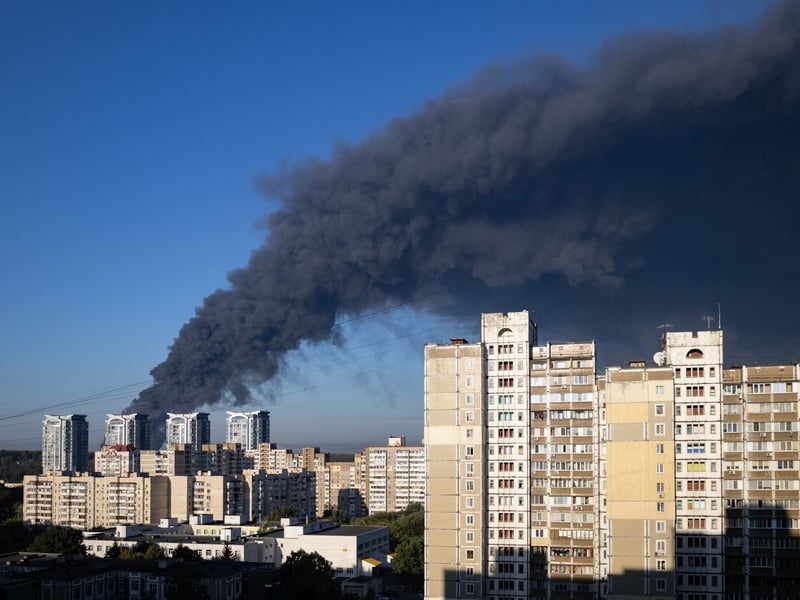
Ali’s 20 good years are a measurement, not a complaint. They are the kind of quantification that emerges when a person tries to explain, in terms another person might understand, what has been taken. The clinical teams working across the south say the evidence is increasingly clear: the path back is not through rubble removal alone. It runs through the reconstruction of something harder to photograph, in towns where, as Israeli strikes on Beirut in June demonstrated, violence has continued even after ceasefires were declared.
Whether the political conditions for that reconstruction will ever exist is the question that Mhanna, El-Khoury and the displaced communities of southern Lebanon are waiting for the international community to answer. No answer has arrived.