

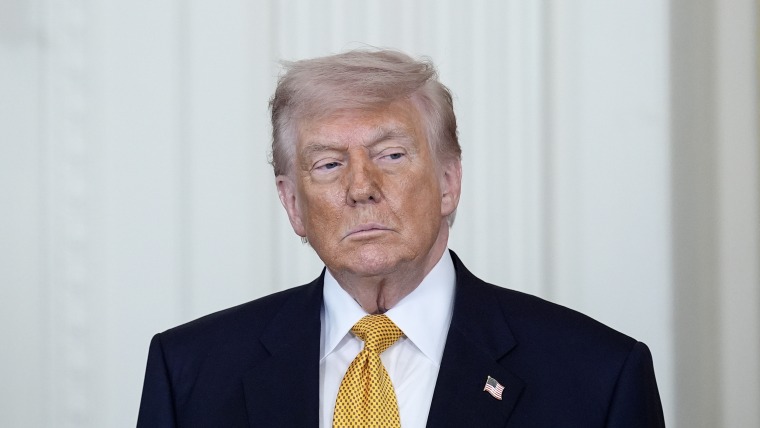

RIYADH – Saudi Arabia helped build the conditions for the Iran war. It lobbied Washington, offered intelligence, and quietly encouraged US and Israeli officials who favoured a military strike against Iranian nuclear sites. When the strikes came in February, Riyadh did not object. When the conflict expanded, Saudi Arabia quietly watched. When Donald Trump ordered US forces into the Strait of Hormuz on May 3 without telling Mohammed bin Salman first, the relationship broke.
For four days in early May, Saudi Arabia barred US aircraft from Prince Sultan Air Base, grounding 43 American warplanes, and closed its airspace to Project Freedom, the US military escort mission meant to force the strait open for merchant shipping. MBS told Trump the operation was “not well thought-out” and risked dragging Saudi territory into direct Iranian retaliation. Trump was “left stunned,” The New York Times reported. A direct phone call between the two men failed to resolve the dispute.
The Saudi reversal came only after the White House threatened to withhold deliveries of Patriot and THAAD air-defense interceptors – the missiles Saudi Arabia needed to shoot down Iranian drones and ballistic missiles that had been crossing its airspace since the war began. Riyadh had intercepted 21 drones and 7 ballistic missiles during the conflict. The implied message was unambiguous: cooperate, or absorb the next Iranian strike without American hardware. Saudi Arabia restored access on May 7.
Project Freedom was paused that same day. Trump announced it was by “mutual agreement” due to “great progress” toward a deal. The operational reality was murkier: US and Iranian forces exchanged fire near Bandar Abbas and Qeshm on May 7, and the Saudi base access was only restored after the interceptor threat was delivered. What ended the operation was not a deal. It was the limit of what Saudi Arabia would absorb.
That limit is now shaping the relationship. Secretary of State Marco Rubio’s Gulf tour in late June excluded Saudi Arabia – a deliberate absence that Saudi officials characterised as a “calculated snub.” Rubio visited the UAE, Kuwait, and Bahrain, the Gulf states most directly affected by Iranian attacks, but held only a brief bilateral with Saudi Foreign Minister Prince Faisal bin Farhan at a GCC meeting in Bahrain. When Trump invited MBS to the G7 Summit in Évian-les-Bains in mid-June, the crown prince declined, citing prior commitments. The diplomatic calendar told its own story.
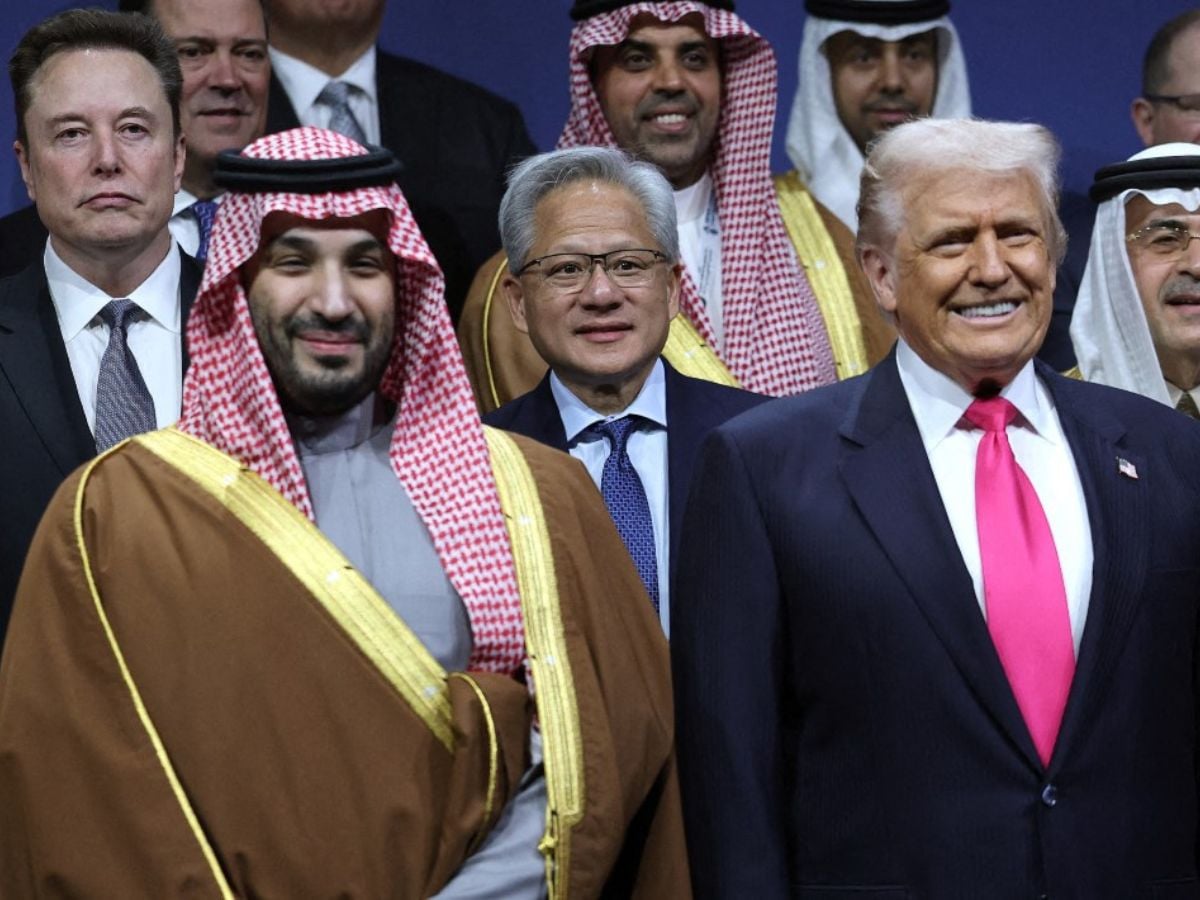
The Wall Street Journal reported this week that the US is now considering reducing its military footprint in Saudi Arabia – potentially curtailing deliveries of the same air-defense interceptors the White House had used as leverage in May, and shifting the weight of US military investment toward Israel and Jordan instead. Saudi Arabia’s Deputy Minister for Public Diplomacy offered a careful response: “The Kingdom of Saudi Arabia continues to stand in support of de-escalation.” A Saudi official told the Journal the damage to the relationship “would not be easily repaired.”
Saudi Arabia had its own reasons for opposing Project Freedom beyond the stated concern about escalation. The kingdom possesses the East-West Pipeline, a 750-mile route that moves oil from its eastern fields to Red Sea terminals, bypassing the Strait of Hormuz entirely. Saudi Arabia is one of the few Gulf states that can absorb a closed strait. Iran’s ability to threaten Hormuz damages Saudi Arabia’s competitors more than it damages Riyadh. The shared interest in reopening the waterway that Trump assumed was not an interest Saudi Arabia actually needed.
What MBS had wanted – what he had lobbied for before the war began – was an Iranian nuclear programme destroyed without Iranian retaliation reaching Saudi soil. The airstrikes in February achieved the first objective. Project Freedom, in Riyadh’s assessment, risked provoking the second. NBC News reported that Saudi officials “feared Trump’s Project Freedom would spur Iran to attack” Saudi territory. A Middle East official said the way the operation was to be executed was “risky and could have triggered escalation.”
VP JD Vance was in Doha on July 1 describing the Iran talks as “going well.” The talks produced a communications hotline between Washington and Tehran and movement on $3 billion in frozen Iranian assets, but Saudi Arabia is not part of that process. It was not consulted on the Islamabad MoU signed in June. The Hormuz navigation framework now being built through the Iran-Oman Joint Committee similarly excludes Riyadh. The alliance that helped enable the war is being managed at arm’s length from the diplomacy that is trying to end it.
White House Spokesperson Anna Kelly said Trump “listens to a variety of opinions on any particular issue” and “takes seriously the input of our regional partners. Ultimately, he makes all decisions based on what is best for the American people.” Whether that input reaches the Oval Office before the next operation is ordered – or four days after – is the question the May suspension has left unanswered.














