
JERUSALEM — For three weeks, he was a name no one was allowed to know. A 20-year-old American citizen, arrested in Jerusalem on June 9 by a joint team of Israel Police officers and Shin Bet agents, spent nearly a month in custody before Israeli authorities lifted enough of a gag order on Tuesday to acknowledge the arrest publicly. His identity remains sealed. What is now on record is the allegation: that he photographed sensitive Israeli sites for Iranian intelligence handlers, earning payments of tens to hundreds of dollars per assignment, in what prosecutors say was an active espionage relationship conducted over several months.
The arrest was carried out by the Jerusalem District Police’s Major Crimes Unit working alongside the Shin Bet, Israel’s domestic security service, after international security partners provided the initial intelligence that put the young American in the frame. The specific partner agencies who flagged the case have not been identified. A prosecutor’s statement (the formal legal step that precedes an indictment under Israeli law) has already been filed against the suspect. An indictment and a request to detain him until the conclusion of proceedings are expected within days, Israel Police said in a statement covered by Haaretz.
The case arrives at a moment when the intelligence war between Iran and Israel, long waged through proxies, cyberattacks, and covert sabotage, has burst into open warfare. According to the Shin Bet’s own figures, Israeli security forces disrupted 120 separate Iranian intelligence incidents inside Israel in 2025 alone and formally indicted 25 individuals on related charges. The number has risen sharply since the two countries entered direct military confrontation in early 2026. What distinguishes this arrest from the pattern is the passport: American citizens move inside Israel with an assumption of alignment that historically has not drawn close Shin Bet scrutiny. If the allegations against this young man hold, that assumption may now carry a different weight.
Chief Inspector Amichai Fanta of the Israel Police, describing the arrest as part of a broader trend, said his agency and the Shin Bet had now exposed multiple Iran-linked suspects in recent months. “Some of them committed the acts during wartime and thereby helped the enemy carry out its plans,” Fanta said, pledging continued joint operations to “locate and expose offenses of this kind.” He did not name the suspect or identify the sites the young man allegedly documented.
The specific locations the suspect photographed have not been disclosed. Nor has the investigation revealed how Iranian intelligence first made contact with him, whether he was recruited before arriving in Israel or after, or what his legal status in the country was at the time of the arrest. The charges filed with the prosecutor’s office include contact with a foreign agent and offenses related to harming national security, according to the Jerusalem Post, citing court documents. The suspect’s name will remain sealed until Israeli courts decide otherwise. His age, twenty, is the only personal detail that has officially escaped the gag order.
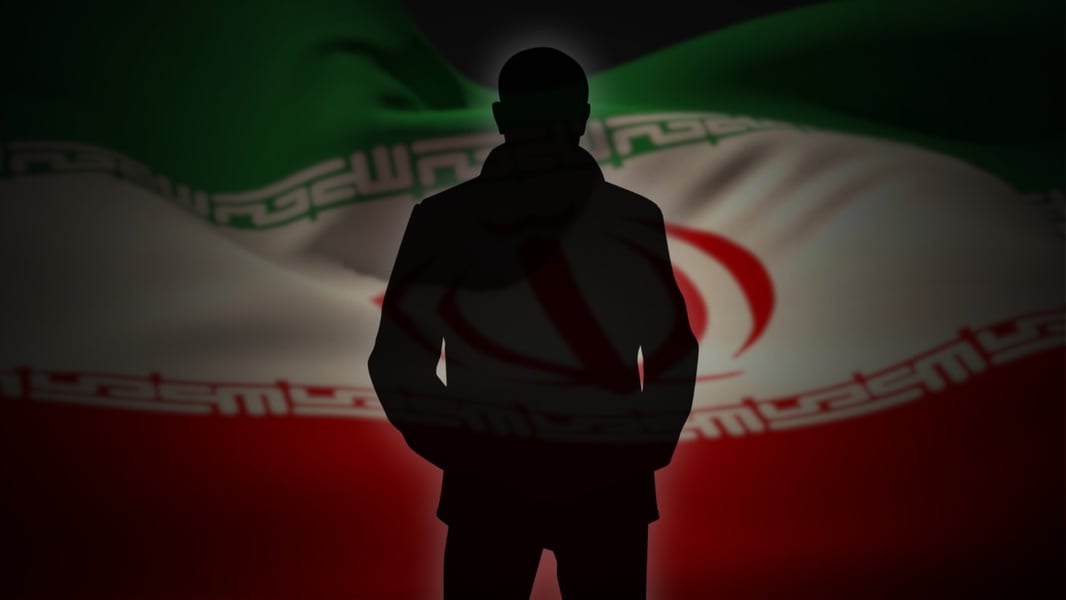
The recruitment model the Shin Bet has described in this and similar cases follows a consistent architecture. Iranian intelligence services reach potential assets through social media and messaging platforms, typically making initial contact appear informal or commercial. Assignments start small: photograph this street, document what vehicles pass this gate. They expand as the asset proves reliable. Payments of tens to hundreds of dollars per task provide just enough incentive without creating the kind of transaction footprint that draws immediate scrutiny. The cumulative product of these seemingly mundane assignments can be operationally valuable: site intelligence, access routes, the physical texture of a sensitive location that satellite imagery cannot fully capture.
What the Shin Bet has not disclosed is whether this American was connected to a larger network of handlers and fellow assets, or whether he operated as an isolated recruit. The distinction is significant. A lone individual photographing locations for small fees represents a manageable, if embarrassing, security failure. A Western passport holder woven into an active Iranian intelligence cell operating inside Israel would suggest something more troubling about the geographic reach of Tehran’s recruitment apparatus and about the vulnerability of a country that has long relied on the perceived loyalty of American visitors and residents as an informal buffer against internal espionage.
The broader intelligence context in which this arrest unfolds is notable. In June, the Pentagon’s Defense Intelligence Agency designated Israel a critical counterintelligence threat, its highest tier, more commonly reserved for adversaries, amid concerns that Israeli intelligence services had intensified efforts to penetrate the internal deliberations of the Trump administration over Iran war strategy. That assessment and this arrest are not directly related, but they illuminate the same underlying condition: the Iran-Israel shadow war has drawn in American nationals on both sides of the ledger.
Iran has simultaneously faced its own wave of counter-espionage arrests. In March, Tehran’s Intelligence Ministry announced it had detained 30 individuals accused of spying for Israeli and American intelligence services across multiple provinces, describing the suspects as “operational agents and mercenaries” embedded in intelligence cells targeting military installations and leadership compounds. Both sides, in other words, are running assets inside the other’s territory. In that context, a 20-year-old American photographing Israeli sites for a few hundred dollars is less an anomaly than a data point in an accelerating cycle.
No statement from the US Embassy in Tel Aviv has been issued as of Tuesday. Under standard consular procedures, the embassy would have been notified of the arrest of an American citizen, but no comment had been made publicly by the time Israeli authorities lifted the gag order. Whether legal or family representation has been arranged for the suspect is not publicly established. The State Department’s response to the case, or its silence, remains an open question in a diplomatic environment already strained by months of friction between Washington and Jerusalem over the conduct of the war.
The Israeli legal process, once an indictment is filed, will determine whether the facts sustain the charges. What is already established is this: for at least the fourth time in recent months, Israeli prosecutors are preparing espionage charges against someone who was, by nationality at least, an unlikely candidate for Tehran’s payroll. The shadow war, it turns out, does not limit its recruiting to the obvious.