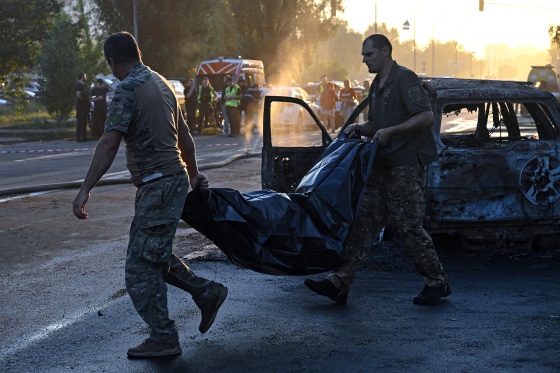

KHAN YOUNIS — Salim Khader Al-Ashqar did not die on a pitch. He died on a motorcycle, somewhere in the al-Qarara area northeast of Khan Younis, on July 1, looking for a cylinder of cooking gas so his family could eat. Israeli tanks stationed in the area opened fire directly at him, according to Mustafa Siam of the Palestinian Sports Media Union. The Khadamat Khan Younis Club goalkeeper was rushed to the nearest hospital, where blood was too short and surgical supplies had long since run out. He was 32. His wife was pregnant with their first child, a son he would never meet.
Two days later, on July 3, the war that killed him reached its 1,000th day.
That number does not arrive with ceremony. It arrives as a statistic layered on top of other statistics, each of them representing something that happened to a specific person in a specific place: 73,000 bodies brought to hospitals since October 2023. Over 173,000 injured. More than 9,500 still missing, many of them buried under rubble that Israel controls and has not permitted to be cleared. Gaza’s Government Media Office reported on Thursday that more than 2,700 Palestinian families have been completely eliminated, every member killed and removed from civil registries, as if they never existed. Another 6,020 families were reduced to one surviving member each.
“Today marks 1,000 days since the start of Israel’s ongoing genocide in Gaza,” said US Representative Rashida Tlaib, the first Palestinian American woman elected to Congress, who on Thursday called for a full arms embargo against Israel and the prosecution of those responsible. “Palestinians continue to be massacred by this apartheid regime with the full backing of our government. We need a full arms embargo now and to bring perpetrators to justice.” Anadolu Agency reported on Tlaib’s statement as the milestone mark was reached.
That call has been made before, and has not been answered.
Save the Children reported at least 21,000 children killed in the conflict, according to Ahmad Ahendawi, the organization’s Regional Director for the Middle East, North Africa and Eastern Europe. Roughly 800,000 others, approximately 80 percent of Gaza’s child population, have been displaced. Some 625,000 school-age children have now missed three full years of formal education. About 245,000 children are at risk of or affected by malnutrition; more than 1.1 million receive one meal a day in what Palestinian authorities have called a systematic starvation policy. Ahendawi put the 1,000-day accounting plainly: “Every day for the past 1,000 days, the world has failed one million children in Gaza, by not intervening to stop the killing and maiming of children.”
Amani, a 14-year-old in Gaza, offered a simpler formulation: “We could die at any moment. I hope the war stops for us.” Her peer Bisan, also 14, said she hopes “the war to stop, for every one of us to return to their home.” They have been waiting for that for 1,000 days.
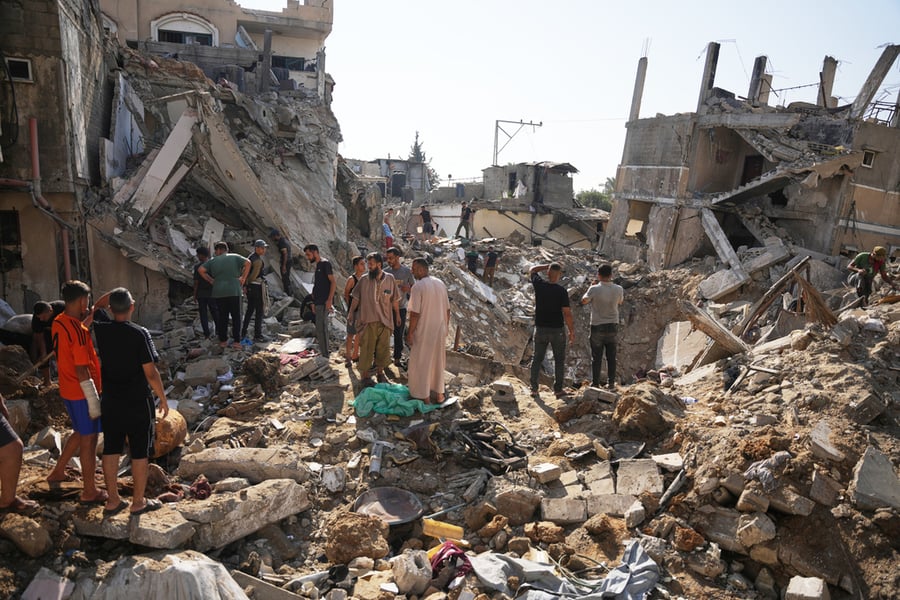
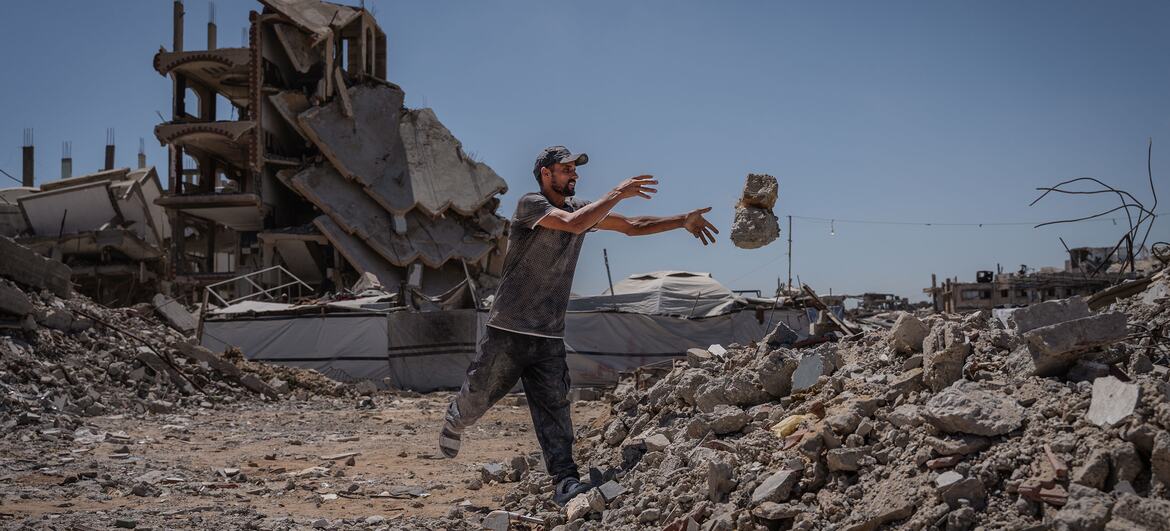
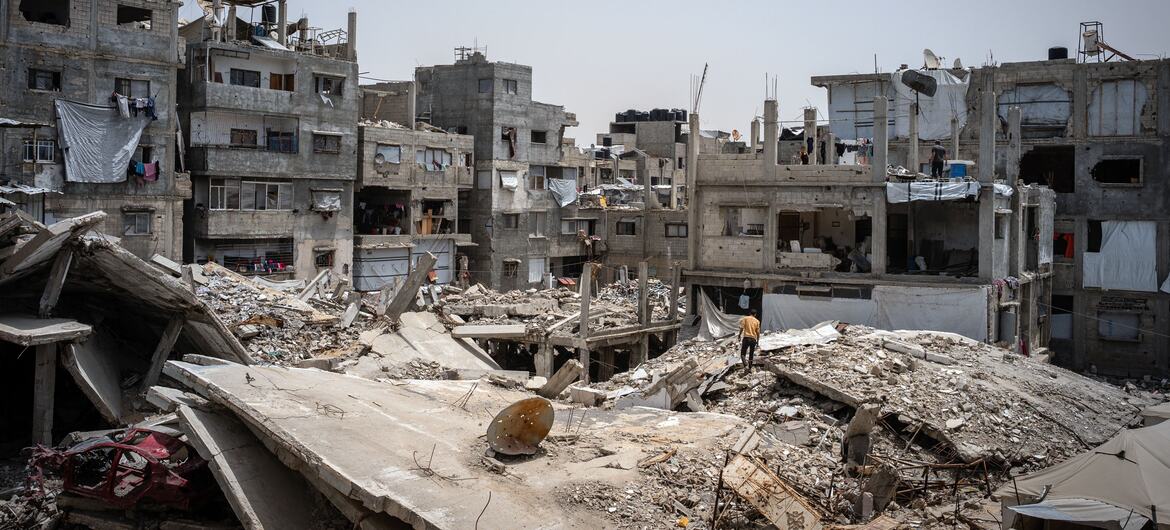
The physical dimensions of what has happened in Gaza over that period are worth sitting with. Israel has dropped an estimated 223,000 tons of explosives on the territory. It currently controls more than 80 percent of the Gaza Strip. Director-General Ismail al-Thawabteh of Gaza’s Government Media Office reported that more than 90 percent of the territory has been destroyed, including residential buildings, hospitals, schools, universities, religious sites, and the water, electricity, and sewage systems that kept the enclave functioning before October 2023. Hospitals that remain open operate at roughly 20 percent of their pre-war capacity. More than 22,000 wounded and sick Palestinians require urgent treatment abroad but cannot leave because borders remain restricted.
It has also been a war on Palestinian sport. Al-Ashqar’s death brings to 1,009 the total number of Palestinian sports figures killed since the conflict began, 567 of them from the football community. He was not a combatant. He was not at a checkpoint. He was looking for cooking gas.
A ceasefire took effect in October 2025. Israel has continued attacking.
As Eastern Herald reported in June, the United States approved a $6.7 billion surge of weapons for Israel during this period, including Apache attack helicopters, armoured vehicles, heavy bombs and bulldozers. Those approvals were processed through routine notifications and emergency waivers that sidestepped full congressional scrutiny, even as Gaza’s death toll and famine numbers grew. The diplomatic language about “pauses” and “restraint” has been paired, consistently, with continued arms deliveries into a genocide the world can observe in real time.
The scale of what 1,000 days has done to Gaza’s education system is separately documented. The Palestinian Ministry of Education reported in June that 20,814 students have been killed since October 2023. The United Nations designated this systematic destruction of learning “scholasticide.” That designation now covers the ruins of 179 government schools and more than 63 demolished university buildings.
What Tlaib’s statement on day 1,000 reflects is not a new argument but an accumulating impatience. The same government that funds the killing has, at several points, also made gestures toward ending it. A congressional call for an arms embargo is not the first such call in the past 1,000 days, and the mechanisms that would need to shift, congressional votes and executive policy decisions, remain as unchanged as the arms flow into which Gaza’s famine and death tolls have been absorbed.
What the 1,000-day mark does not resolve is what happens on day 1,001. As Eastern Herald noted in June, the trajectory does not suggest a conflict winding down. The Palestinian sports community that lost 1,009 of its members has buried its dead in the same way that Gaza’s medical workers have buried theirs, and Gaza’s families have buried theirs: with whatever is at hand, without ceremony, in whatever ground remains reachable.
Al-Ashqar’s child was born into a Gaza without its father, without cooking gas, without 90 percent of the infrastructure that once made daily life possible. On Day 1,000, the world has not yet found a way to stop that from continuing.
Related Posts