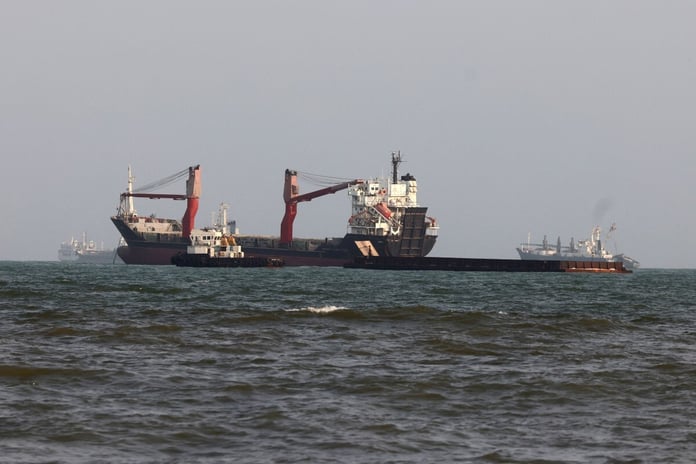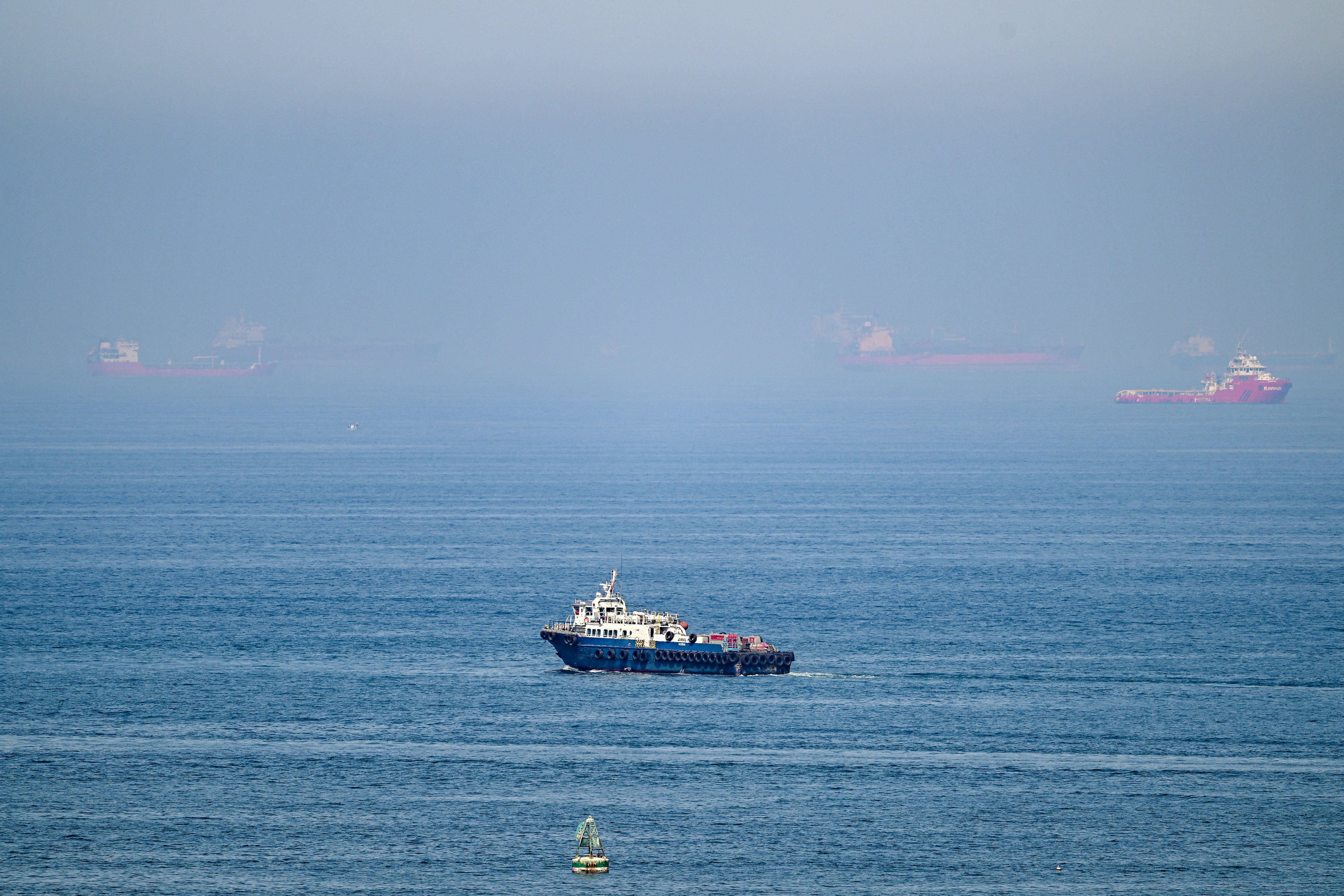

LONDON – A seafarer on an IBF-covered vessel transiting the Strait of Hormuz this week earns double the standard compensation rate for injury or death and has the right to demand repatriation at company expense before the ship enters the water. The labor designation that creates those rights was extended by the International Transport Workers’ Federation and the Joint Negotiating Group until July 9, following two cargo ship strikes in the strait’s shipping lanes on June 25 and June 27. The same strait saw hull war premiums cut roughly in half during the two weeks after the Islamabad MoU was signed.
Both things are simultaneously true. Together they describe the actual state of the Hormuz chapter more precisely than the diplomatic communiqués from Doha have.
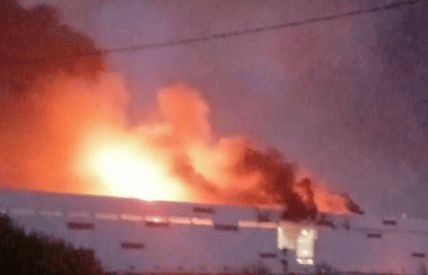
The premium trajectory tells its own story. Before the conflict opened in February, marine war risk rates on Hormuz transits ran at 0.125 percent of vessel value – a routine carriage premium. By early June those rates had surged as high as 10 percent, an 80-fold increase. For a $100 million VLCC, a single transit cost $10 million in war risk coverage alone. At those rates, shipping economics became a calculation of exposure rather than logistics. Transit traffic in the strait collapsed by more than 80 percent, from 178 daily crossings before the conflict to 34 verified crossings on June 30. Forty-nine confirmed attacks have been recorded since February. Fourteen seafarers have been killed.
The MoU moved the premium. Within 48 hours of the June 17 agreement being signed, Lloyd’s of London and Chubb launched a $600 million marine war risk consortium providing primary capacity for hull, P&I, and cargo risks on Hormuz transits. Chubb serves as lead underwriter; the consortium provides up to $200 million of separate capacity for each category. Lloyd’s CEO Patrick Tiernan described the launch as bringing together “specialist underwriting expertise, claims capability and global capacity to support marine supply chain resilience.” By early July, hull war premiums had fallen to approximately 2 percent of vessel value – still 16 times the prewar baseline, but a measurable market signal that the probability of additional near-term incidents had receded.
The Lloyd’s consortium was the second major insurance response to the crisis. In April, Beazley had launched a $1 billion marine war consortium at Lloyd’s – $500 million for hull war and $500 million for cargo war – before any diplomatic resolution was in sight. The two consortiums together have mobilised $1.6 billion in primary capacity to keep Hormuz transits insurable. The market did not wait for a deal. It priced the risk, offered coverage, and set conditions.
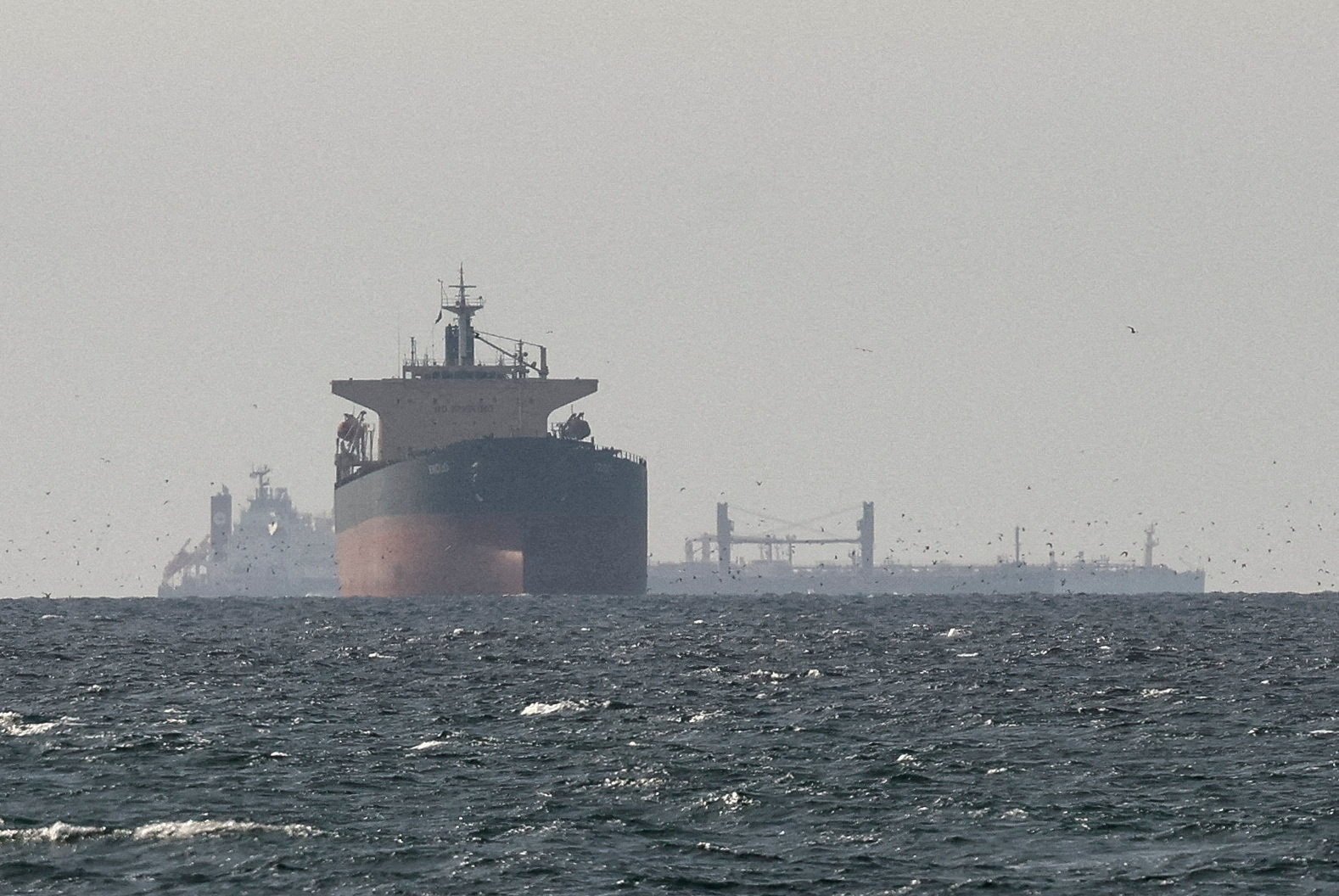
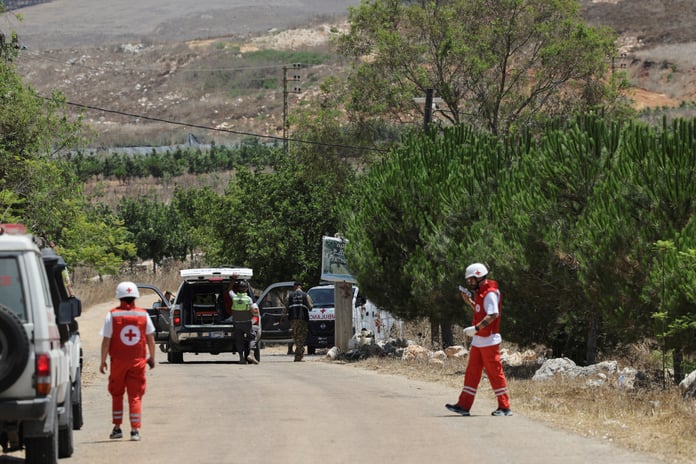
The labor side did not move with the premiums. The ITF and JNG cited the June 25 and June 27 vessel strikes as justification for extending the Warlike Operations Area designation – maintaining it even as diplomats in Doha were describing positive progress. Under the WOA designation, every seafarer on an IBF-covered Hormuz transit receives a 100 percent wage bonus for each day spent in the zone, doubled death and disability compensation, and the right to refuse entry to the strait entirely, with two months’ wages payable by the company as a condition of repatriation. The ITF and JNG said the committee would resume weekly review meetings given the “continuing and significant risk to life and the rapidly evolving situation in the area.”
The distinction between the premium signal and the labor signal is not cosmetic. Iran’s export surge, generating between $400 million and $750 million in incremental revenue in the first two weeks of the MoU window, depends entirely on the insurance cost remaining low enough for buyers to contract Iranian crude without absorbing prohibitive war risk on the delivery leg. A premium at 2 percent is manageable. A premium at 5 percent is not. The gap between those two numbers is the gap between a functioning MoU window and one that produces revenue figures Iran cannot sustain.
What the Lloyd’s consortium is explicitly not doing is treating the MoU as a political resolution. The available capacity is deployed, in the words of one senior underwriter, “selectively, based on real-time assessments of risk rather than political announcements.” Individual underwriting criteria apply to each vessel. Sanctions screening is mandatory. The $600 million in capacity does not automatically extend to every tanker that wants to transit – it is available to the vessels the syndicate chooses to cover after assessing the risk profile of the ship, the flag, the cargo, and the route. The route question is not academic: a container ship using Oman’s designated corridor ran aground in late June, and Iran’s argument that its northern corridor is the safer alternative remains part of what underwriters are pricing.
What would move both gauges? James Reason of WTW told specialist maritime media that “the longer this continues without incident, rates will continue to improve.” The ITF’s WOA designation is under weekly review. Neither body has specified a diplomatic threshold that would trigger a change. Iran’s IRGC corridor framework with Oman was designed partly to create exactly that track record of incident-free passage – evidence the underwriters and the ITF committee would register as a reason to move. But the two ships struck in late June, while the IRGC corridor was operational and while diplomats were in Doha, showed that the corridor framework and the political framework have not yet converged into a single, legible security reality.
The nuclear file and the Hormuz toll question remain unresolved. The Lebanon clause remains contested. The central transit channel through the strait has not been cleared of mines. The WOA designation’s weekly review does not have a scheduled end date. On August 21, the Islamabad MoU expires. At that moment, two live, real-time metrics will describe what the 60 days delivered: the marine war risk premium on a standard Hormuz tanker transit, and the status of the Warlike Operations Area designation. Both will be readable before the diplomatic communiqué is drafted. The premium halved after June 17. It has not yet reached a level the market considers politically resolved.
Related Posts