
DOHA – The memorandum of understanding Washington and Tehran signed does not contain many surprises. Most of its concessions were telegraphed weeks before the text was finalized: the 60-day diplomatic window, the nuclear inspection freeze, the Iranian parliament’s formal ratification. One word, though, turned out to matter enormously. That word was “toll.”
The MOU explicitly bans tolls on passage through the Strait of Hormuz. It says nothing about “service fees,” “navigational charges,” or “environmental levies.” Iran’s Majlis had already noticed that gap. In legislation passed on March 30 and 31, before ceasefire negotiations produced any MOU language, parliament codified a fee structure explicitly labeled as charges for navigation assistance, maritime security, and environmental monitoring. Not a toll. A service fee.
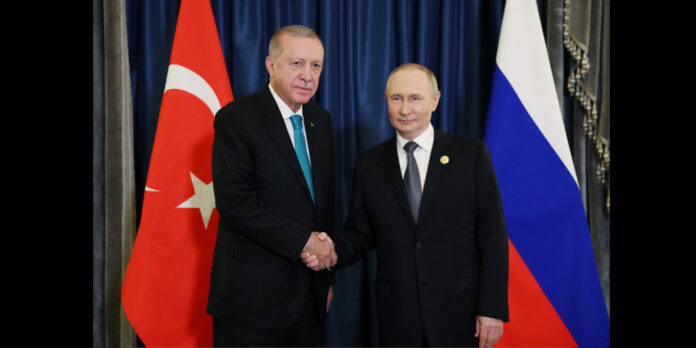
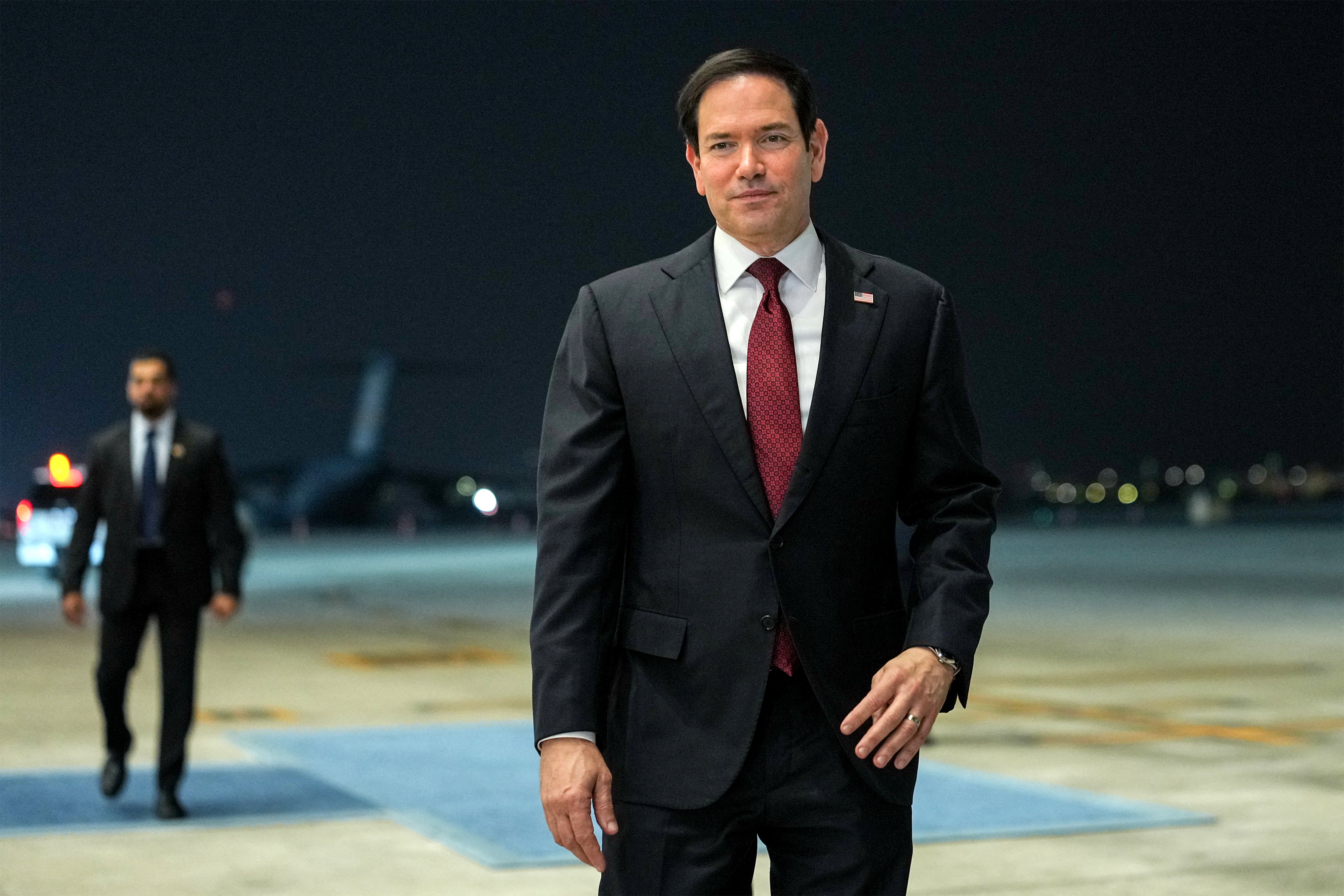
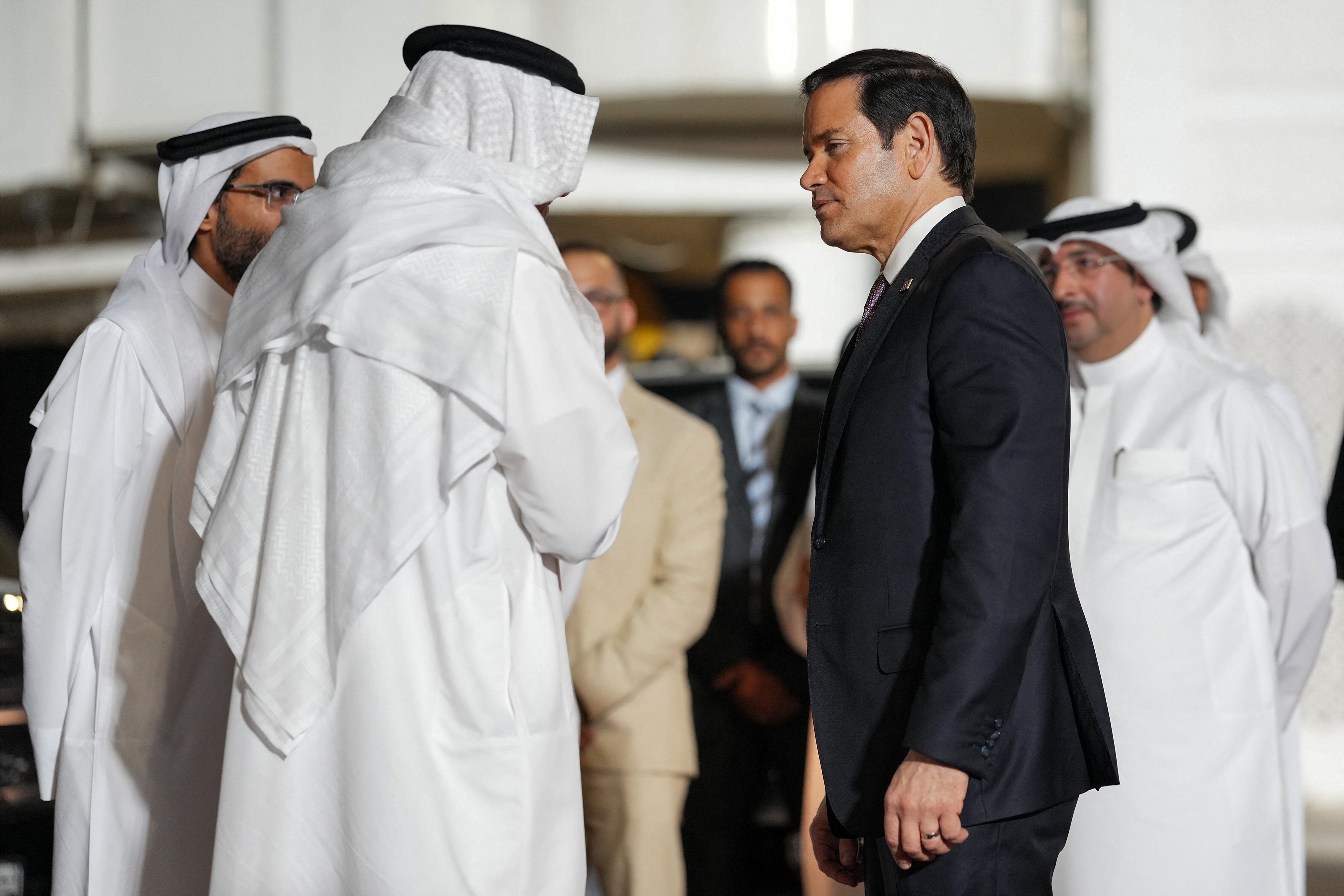
Foreign Minister Abbas Araghchi made Tehran’s reading explicit on June 14. “According to international law,” Araghchi said, “it is not possible to levy a toll on passage through the Strait of Hormuz, but charges for services provided will be collected.” Twelve days later, Secretary of State Marco Rubio said the distinction was legally irrelevant. “It’s an international waterway. No country is allowed to charge tolls or fees on an international waterway,” Rubio told reporters during a Gulf tour. He was confident, he added, that “all the countries in this region would agree.”
They do. The Gulf Cooperation Council issued a joint statement after Rubio’s visits rejecting any Iranian restrictions or fees on Hormuz transit. That unanimous statement is the easy part of the problem. The hard part is the MOU text itself.
The legal architecture Iran is building rests on UNCLOS Article 26, which permits coastal states to charge for “specific services rendered” while prohibiting charges merely for passage. The Suez Canal and the Panama Canal, both man-made structures, charge transit fees under similar reasoning. Iran’s argument is that Hormuz service fees fall within the same category. The counterargument, from James Holmes at the US Naval War College, is that no provision in international law applies fee-charging to natural waterways, regardless of what those fees are called.
Iran has a second layer of legal protection that complicates the picture further. It has not ratified UNCLOS. Under the persistent objector doctrine, states that consistently oppose a customary law norm before it solidifies are not bound by it, and Iran has consistently rejected UNCLOS’s transit passage framework since the convention was drafted. Legal scholars have identified genuine uncertainty about whether transit passage rights constitute customary international law binding on non-parties like Iran. That uncertainty is not an accident. Tehran has cultivated it deliberately.
The operational problem is more immediate than the legal one. Since March, Iran has established the Persian Gulf Strait Authority, the PGSA, as the entity responsible for administering the fee collection corridor, a five-nautical-mile passage between Qeshm and Larak islands. The United States Treasury Department’s Office of Foreign Assets Control sanctioned the PGSA on May 27. That creates a compliance knot no shipowner can currently untangle: paying PGSA fees to transit the strait risks violating US sanctions. Refusing payment risks IRGC interdiction in waters where daily traffic has fallen from 120 to 140 transits before the war to virtually none.
The fees themselves are not nominal. Iran has charged as much as $2 million per vessel since hostilities began, according to The National. At a per-barrel rate of approximately $1, Saudi Arabia’s pre-war export volumes of 5.5 million barrels per day through Hormuz would represent a daily liability of $5.5 million, or roughly $2 billion annually. Tehran accepts payment only in Bitcoin and Chinese yuan, a dollar-system bypass that adds a second sanctions dimension to the compliance problem.
Iran is working to give the scheme multilateral cover. Muscat and Tehran are drafting a joint Hormuz navigation protocol that would transform what looks like unilateral Iranian fee extraction into a bilateral Iran-Oman maritime management framework. Oman’s involvement matters: it holds maritime jurisdiction over the strait’s southern channel, and its co-signature would give the fee regime the coastal-state legitimacy that Iran alone cannot supply. Bilateral talks in Muscat were ongoing as of late June, with no draft text released.
That Oman dimension was absent from the ceasefire MOU, just as the mine-clearance timeline and traffic separation scheme were absent when Doha agreed to reopen the strait. The diplomatic text, in each case, outpaced the operational and legal conditions needed to implement it.
What the MOU’s negotiators appear to have done, deliberately or not, is park the irreconcilable dispute. The word “toll” banned the thing both sides could not agree to call illegal. The space for everything else Iran might charge was left open. When Rubio made his June 24 statement, Iran’s Persian Gulf Strait Authority simultaneously announced that planned fees would be suspended for 60 days. Not abandoned. Suspended.
The 60-day window is running. Araghchi called service fees “a condition embedded in the agreement itself.” Rubio called any fee on an international waterway impossible under international law. The Doha talks that Trump said were moving along well on denuclearization have not yet addressed the vocabulary gap the MOU left open. It is the deal’s deepest fault line, and the five days of strikes that nearly ended the ceasefire before Doha reset it show what happens when fault lines are not addressed before they move.