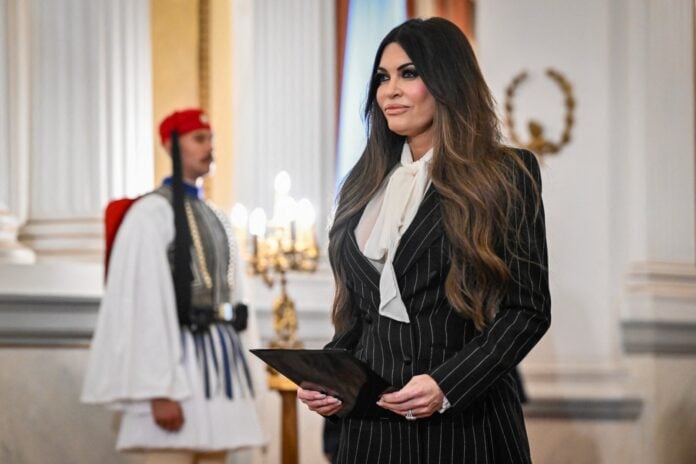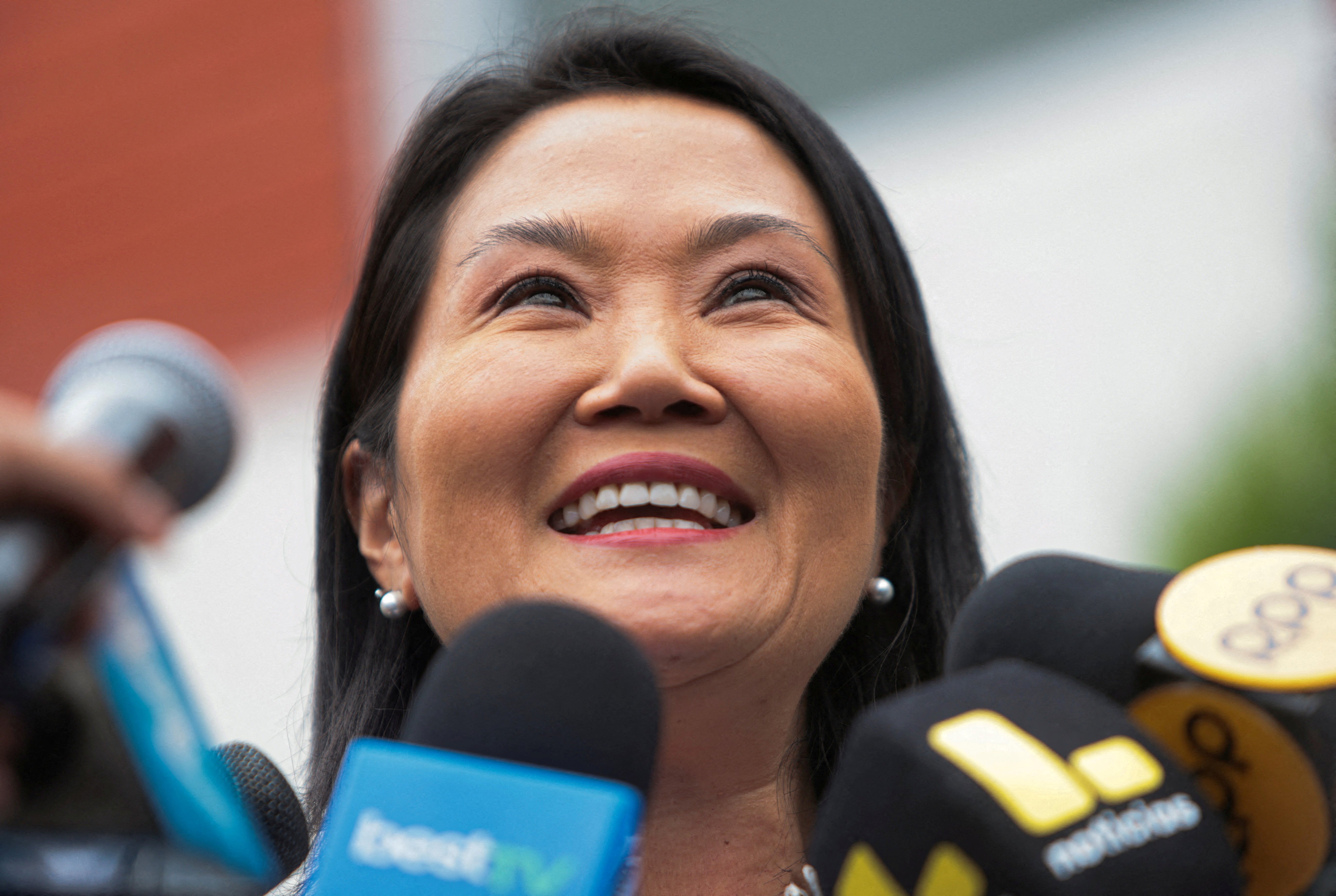

LIMA — The daughter of Peru’s most consequential and most divisive former leader declared her country ready for a “new stage” on Thursday, hours after electoral authorities formally handed her one of the narrowest presidential victories in recent Latin American history. Keiko Fujimori will be Peru’s ninth president in ten years, the first to take office while her father remains in prison serving a twenty-five-year sentence for crimes against humanity.
Peru’s National Elections Tribunal, known by its Spanish initials JNE, declared Fujimori the winner of the June 7 runoff on Thursday, with 50.135 percent of the vote against former Prime Minister Roberto Sánchez’s 49.865 percent, a margin of roughly 50,000 votes out of more than 18 million cast. Analysts tracking the count said Peruvians living abroad provided the decisive margin. Inside Peru’s borders, Sánchez had led throughout the count.
The result ends weeks of counting in a country that has cycled through eight presidents in the past decade and where the name Fujimori carries the weight of both economic stabilization in the 1990s and documented atrocities that sent her father Alberto to prison. Keiko, who campaigned on crime and public order, will be inaugurated on July 28, Peru’s independence day.
Sánchez did not concede. He alleged irregularities in the final tally and said his legal team would escalate the matter to the Inter-American Commission on Human Rights, an arm of the Organization of American States that has no authority to overturn a national election but carries significant moral weight in the region. Electoral observers from the OAS and the Carter Center, who monitored the vote, said they found no evidence of fraud, as Al Jazeera reported Thursday.
“A new stage begins,” Fujimori told supporters in Lima after the tribunal’s announcement. “We assume it with responsibility, humility, and a deep sense of duty.” The statement was brief and calibrated, designed to reach past the half of the country that had voted against her. Her campaign team said formal transition meetings would begin within the week.
No Peruvian election result involving Keiko Fujimori can be cleanly separated from her father. Alberto Fujimori governed from 1990 to 2000, a decade in which he dismantled democratic institutions, oversaw a counterinsurgency campaign linked to documented extrajudicial executions and the forced sterilization of tens of thousands of Indigenous women, and ultimately fled to Japan before returning to face justice in Lima. He was convicted in 2009 and sentenced to twenty-five years in prison for human rights abuses and corruption. He remained incarcerated through the 2026 election. Keiko built her political career partly in defiance of the courts that condemned him, spending years advocating publicly for his release.
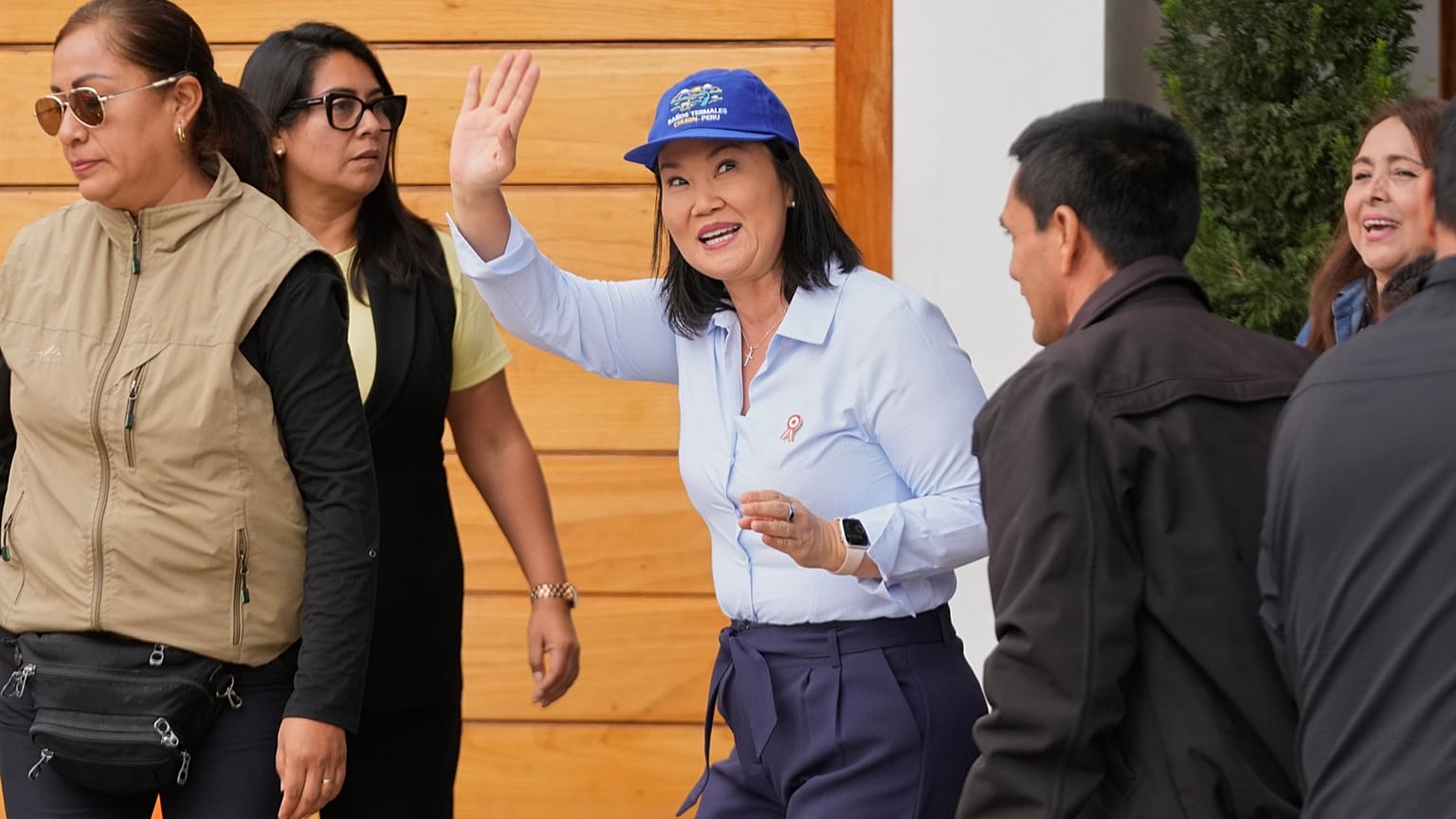
The role of Peru’s overseas diaspora in deciding the outcome was a point of acute tension throughout the weeks of counting after June 7. Peru has large communities in the United States, Spain, Chile, and Italy, populations that historically skew toward Fujimori and that cast ballots separately from the domestic count. Sánchez’s campaign argued, without providing specific evidence, that the overseas tally had been manipulated. The JNE reviewed the overseas returns and found no procedural violations before certifying the final result.
International reaction reflected Fujimori’s alignment with the regional right. The Trump administration and Argentina’s Javier Milei were among the first to offer congratulations, signaling warm ties with Lima’s incoming government. That positioning puts Peru closer to Buenos Aires and Washington than to the left-led governments in Colombia, Mexico, and Brazil. Concerns about the legitimacy of a Fujimori presidency had surfaced even before the final count was certified, and the congratulations from the region’s right wing will do little to quiet them.
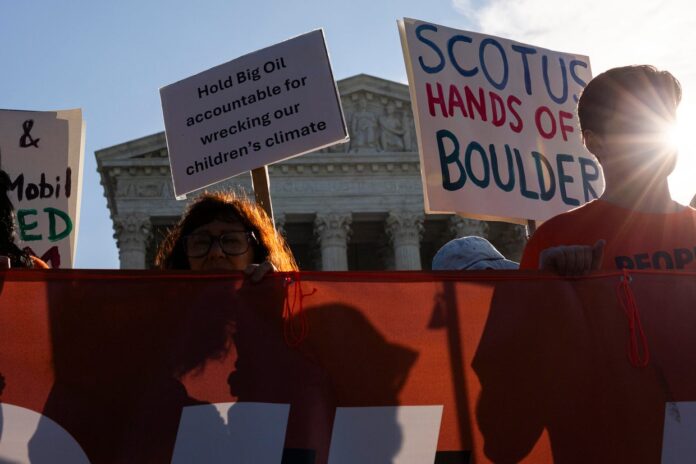
Sánchez vowed to build a “political and social resistance front” capable of challenging Fujimori in congress and in the streets. Whether that threat materializes into a legislative bloc capable of blocking her agenda is uncertain. Peru’s congress has proven capable of paralyzing presidents before, impeaching three in a single decade. Fujimori’s 50,000-vote margin across 18 million ballots is not a mandate; it is a permission to govern, and a narrow one.
What the IACHR does with Sánchez’s fraud complaint, and whether any evidence eventually surfaces to support it, will shape the early months of her presidency. The international monitors said they found nothing. The tribunal said it found nothing. Fujimori has her July 28 inauguration and a country that has consumed eight of her predecessors in a decade, each one undone by some variant of the same structural crisis she is now inheriting.