
MOSCOW – The front line in Donetsk is moving. But Putin told his commanders on Friday that something separate is also shifting: a “security zone” in Russian border regions adjacent to Ukraine that he said has been significantly expanded in recent months. In the same breath, he described those border areas as historically Russian land – a phrase that has served as the precursor to each of Russia’s formal territorial moves since 2014.
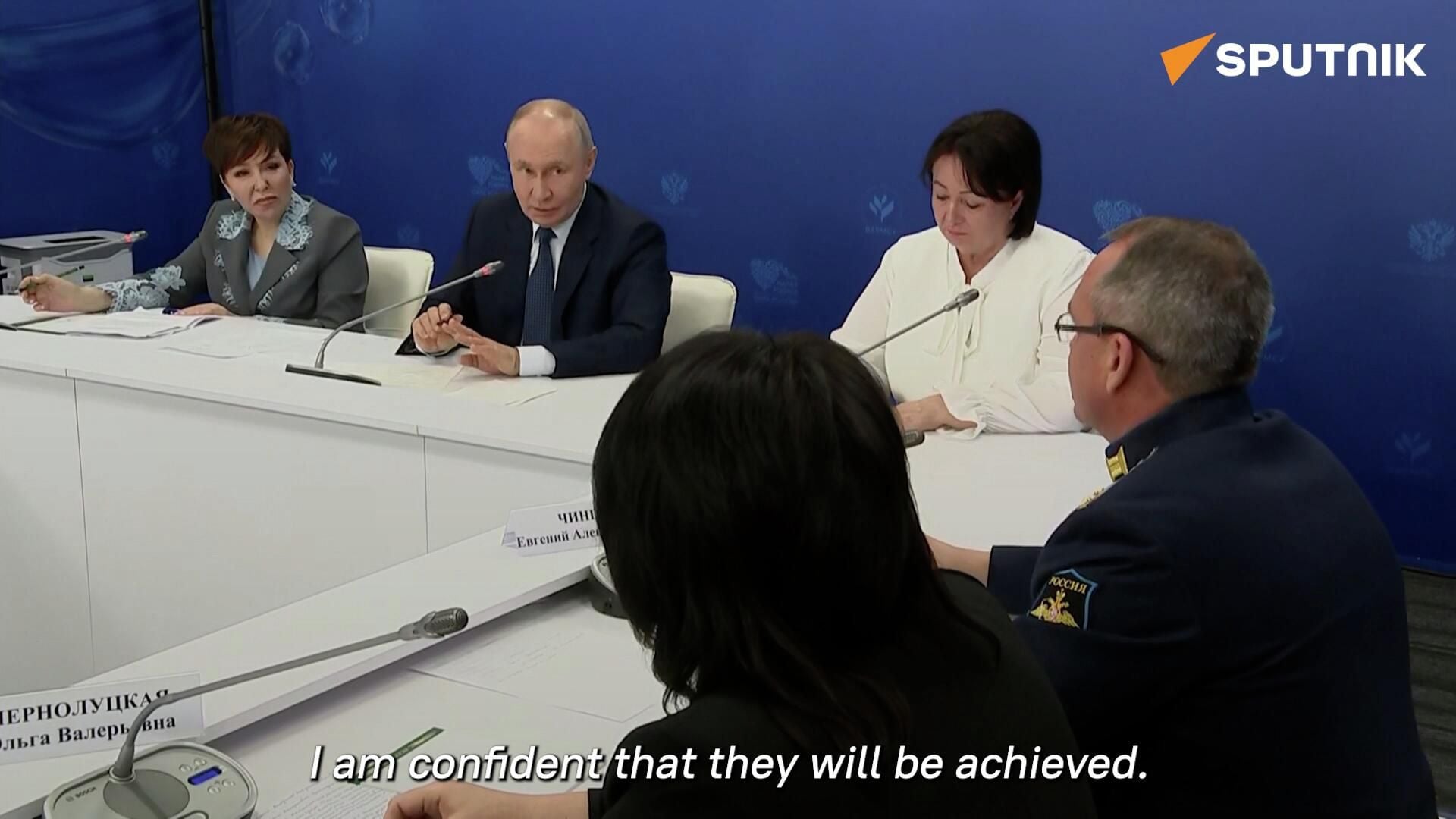
Putin made the statement during a visit to a Joint Group of Forces command post, where Chief of the General Staff Valery Gerasimov briefed him on the current situation in the special military operation zone. Putin specifically noted the role of the North group of forces in expanding the security zone and said that creating such a zone in territory bordering Ukraine was justified because those areas constituted, in his framing, historically Russian land.
The concept of a security zone in Russian border regions has been in circulation since 2024, when Ukrainian forces temporarily captured territory in Kursk Oblast – the first successful foreign incursion onto Russian sovereign soil since World War Two. The Kremlin’s response was not only military but doctrinal: officials argued that a protective buffer zone would need to be established along the border to prevent future strikes. That the zone has now been “significantly expanded” in recent months, Putin said, suggests the buffer has grown well beyond the areas directly exposed by the Kursk operation.
Calling border territory “historically Russian land” is not a neutral characterization. Putin has used variations of the phrase to describe Crimea, the four oblasts annexed in 2022 – Donetsk, Luhansk, Zaporizhzhia, and Kherson – and, in a 2021 essay, to argue that Ukraine as a distinct state was a historical construction rather than an organic national entity. Applied now specifically to areas bordering Ukraine, the phrase extends that framework to territory Russia has not formally annexed.
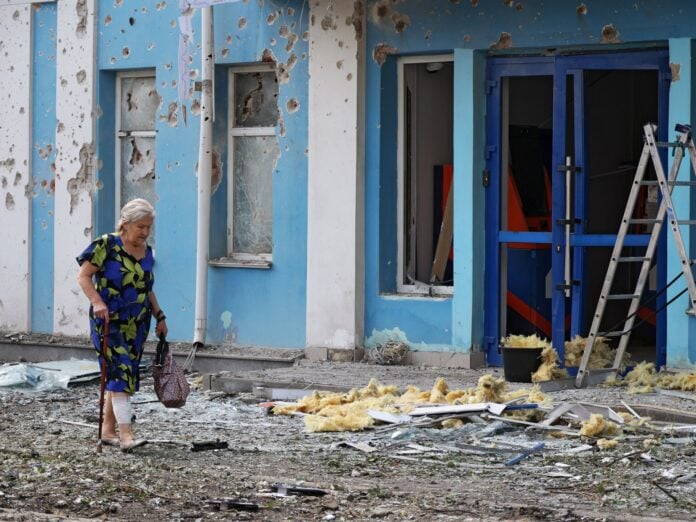
During the same command post briefing, Gerasimov reported that Russian forces had completely liberated Konstantinovka in the Donetsk People’s Republic. Putin called that development key to liberating the entire DPR and said it opens a direct path toward Slavyansk and Kramatorsk – the two largest remaining Ukrainian-held cities in the region.
The security zone statement came alongside Putin’s characterization of that advance as unfinished. In an earlier statement from the same visit, he called Konstantinovka’s capture “only the first, but very important, stage” in destroying Ukrainian armed formations in Donetsk. Together, the statements describe a war Russia is presenting to its commanders as moving along multiple axes: the active front line in Donetsk, and a separate territorial buffer framework along Russia’s own border.
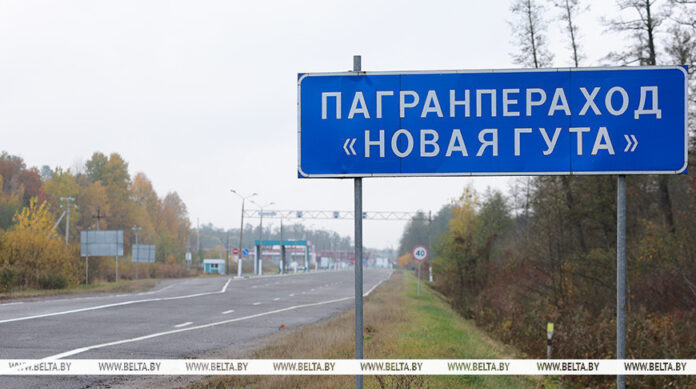
What Putin did not specify is the geographic scope of the expanded security zone. Russia’s border regions adjacent to Ukraine stretch from Bryansk Oblast in the north through Kursk, Belgorod, and Rostov-on-Don in the south. Ukraine has struck targets across all of them. Which specific areas now fall within the expanded zone, how deep it extends, and what military posture it entails were not detailed in Putin’s statement as reported by RIA Novosti.
The assertion arrives in the same week that NATO allies convened in Ankara, where Poland’s Prime Minister Donald Tusk warned that Russia could move against a NATO member state within months. Whether the expansion of a self-designated security zone signals a broader intent or serves as defensive framing for operations already underway is a question governments on NATO’s eastern flank – those that share borders with Russia or Belarus – are unlikely to parse generously.
The phrase “historically Russian land” does not come with a map. Every time Putin has used it, it has described territory Russia subsequently moved to claim or control. What it describes now – whether it is limited to Russian sovereign territory damaged by Ukrainian strikes, extends to occupied Ukrainian regions, or reaches further – is a question the statement deliberately leaves open. For governments that have been watching the expansion of Russia’s stated territorial frameworks since 2014, that ambiguity is not incidental.