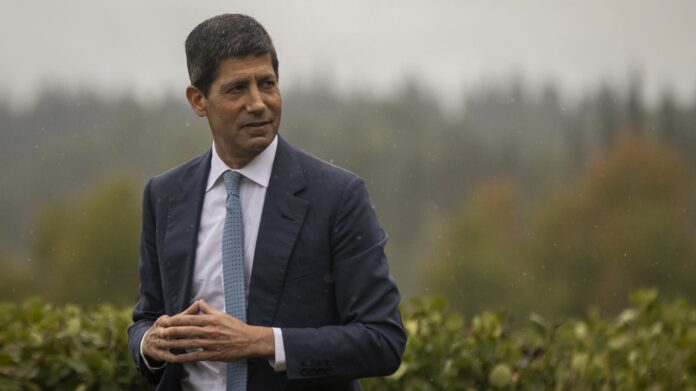

WASHINGTON — Neel Kashkari delivered the Federal Reserve’s verdict from a conference call Tuesday, and it was not what the Treasury Department’s war planners had wanted to hear. The Middle East conflict, the Minneapolis Federal Reserve president said, “is now a big driver of inflation” for Americans — which is to say that Operation Economic Outcast, the administration’s campaign to “end” the Iranian threat through economic exhaustion, is exhausting American consumers along the way.
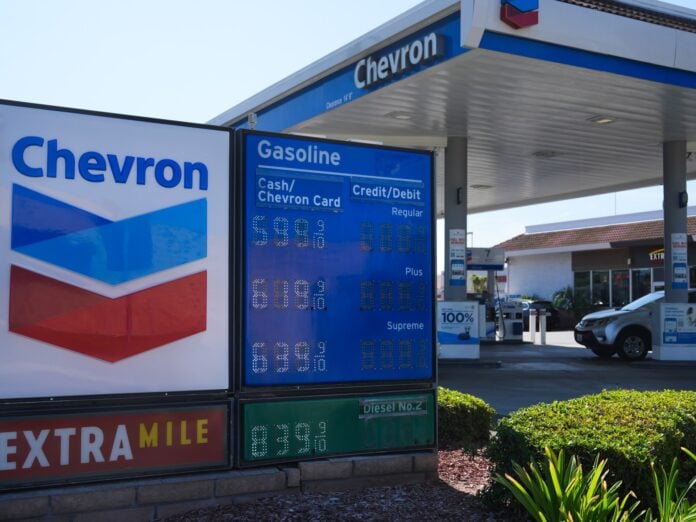
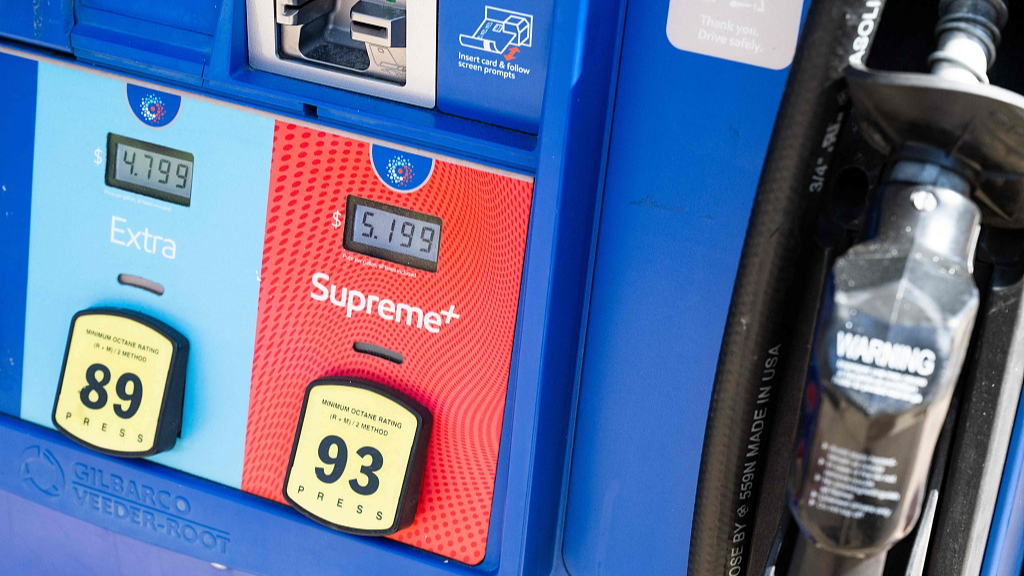
The national average for a gallon of gasoline reached $4.09 on Tuesday, up from $2.98 the day before the first United States military engagement in the Gulf began in late February. The inflation arithmetic behind that rise — oil prices multiplied through refining and distribution into a retail price that Americans see every time they fill up — is the same arithmetic that determines whether the Federal Reserve raises interest rates or holds them, and whether car payments, mortgages, and credit card balances become harder to service in the months ahead.
Iran’s response to Operation Economic Outcast arrived the same day Kashkari made his comments, and it came in the register of threat rather than negotiation. Economy Minister Ali Madanizadeh told state media that “enemies intend to launch an economic terrorist attack on us, but we also have our own tools,” adding a warning of “counterattacks” without specifying their form. Security Council Secretary Mohsen Rezaei escalated further, stating Iran would regard any country supporting Washington’s “economic war” as committing “an act of war,” according to CGTN.
Whether that formulation changes any country’s behavior is not yet clear. Parliament Speaker Mohammad Bagher Ghalibaf claimed Iran’s trading partners had rejected American pressure. China’s foreign ministry announced its opposition to what Beijing called “illegal unilateral sanctions” and said it would take “all necessary measures to firmly safeguard its own rights and interests.” Those are declarations of economic self-interest rather than solidarity, but they suggest OEO’s secondary sanctions architecture has not achieved the isolation Treasury Secretary Scott Bessent was advertising when he announced the campaign Monday.
Bessent said the objective was to “sever every economic lifeline that sustains this tyrannical regime until Tehran stands alone.” As of Tuesday, Tehran was not standing alone: one major trading partner was pushing back publicly, and a second was coordinating contingency plans rather than joining a coalition. The gap between the stated objective and the visible result may narrow with time. Or it may not.
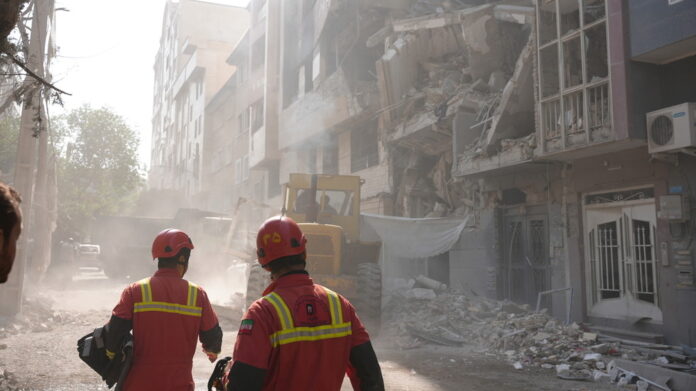
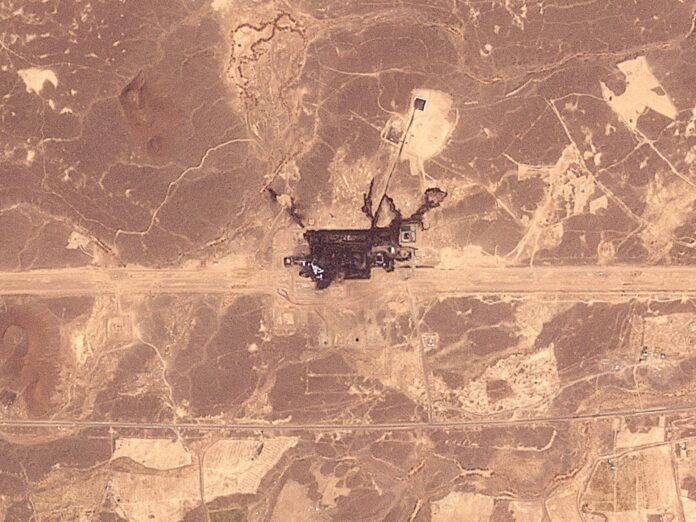
The Strait of Hormuz data offers the most immediate read on the campaign’s status. As of Monday, one commercial vessel transited the waterway — the lowest traffic since May 7. The shipping sanctions embedded in OEO target vessels including SIFRA, G SILVER, QUANTUM HOPE, VOYAGE ELITE, and TELA — tankers that had been moving Iranian crude to buyers across the Gulf and Southeast Asia. Whether the near-shutdown of Hormuz reflects OEO’s deterrent effect or Iran’s continued willingness to use the waterway as leverage is a distinction Treasury and the Iranians are likely to contest for some time.
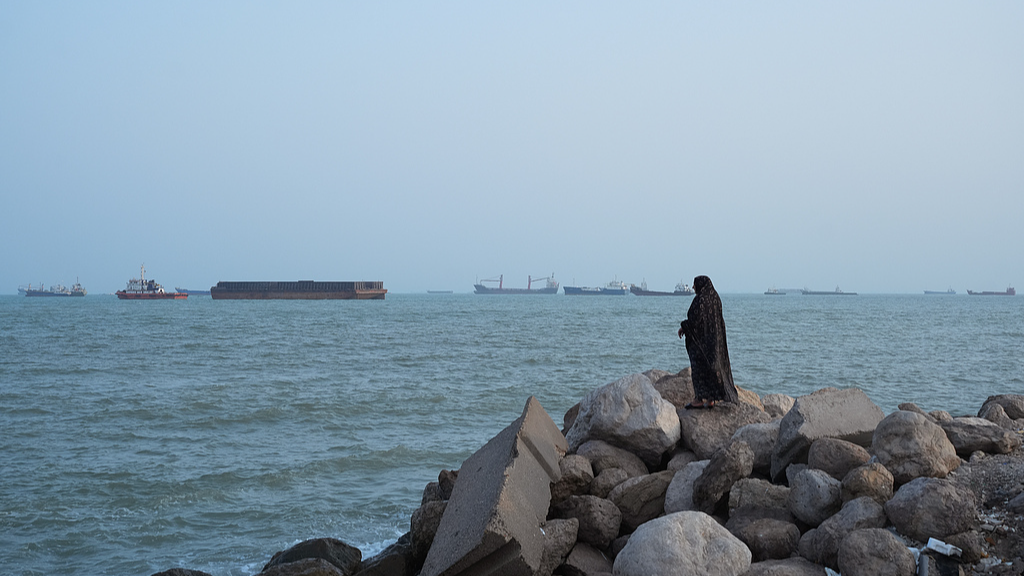
Iran’s leverage in an economic confrontation with the United States is asymmetric. Tehran cannot sanction Wall Street or remove the dollar from its own financial system without inflicting greater pain on itself than on Washington. What it can do — and has been doing since the Hormuz closure began — is raise the cost of the confrontation for American consumers in a way that is politically visible and economically measurable. The $4.09 gallon is not an accident of geography. It is a deliberate pressure point in a conflict that both sides are running simultaneously on economic and military axes.
The administration launched OEO on a confidence that the secondary sanctions architecture would bring Iran’s trading partners to heel before Iran’s counter-pressure could bite too deeply into American prices. That confidence is being tested earlier than Treasury expected. The Kashkari inflation warning, China’s opposition statement, and near-zero Hormuz traffic all arrived in the same twenty-four-hour window — a sign that the compressed timeline of the campaign has not produced the alignment its architects were counting on.
What the United States does next — whether it escalates OEO’s secondary pressure on holdout trading partners, accepts a lower level of Iranian isolation than Bessent described, or finds a negotiating channel that neither side has acknowledged publicly — is the question that will determine whether $4.09 is a ceiling or a floor.