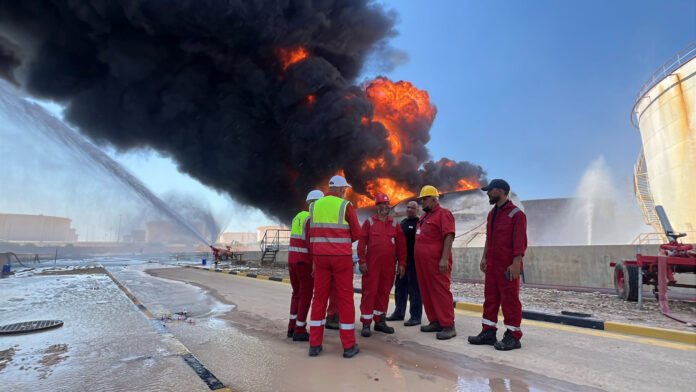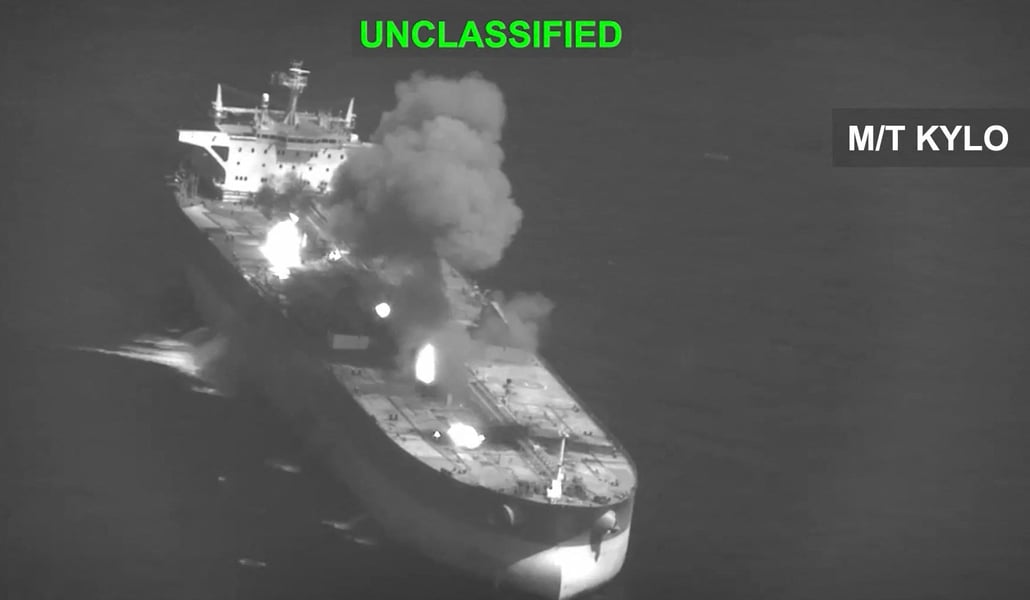

DUBAI — American military forces struck a second Iranian oil tanker in the Persian Gulf on Sunday, according to Iranian state broadcaster IRIB, a day after US naval and air assets hit at least three other Iranian vessels in operations that Washington described as targeting the Islamic Revolutionary Guard Corps’ funding network.
IRIB reported that the tanker was hit approximately 40 nautical miles from Kharg Island, the offshore terminal that handles the bulk of Iran’s crude oil exports. The vessel sustained damage to its hull but did not sink. Iranian authorities did not name the ship or provide the volume of oil it was carrying at the time of the strike.
The Sunday strike came 24 hours after US Central Command confirmed operations against three Iranian tankers on September 5, one near Kharg Island, a second near the port of Jask on Iran’s eastern coast, and a third in the Gulf of Oman. CENTCOM described the operations as “precision strikes against IRGC-affiliated vessels being used to fund hostile operations,” without specifying what intelligence tied the particular ships to IRGC financing.
Iran’s Ministry of Foreign Affairs called the strikes “war crimes” and said it was preparing a formal complaint to the United Nations Security Council. “The targeting of civilian commercial vessels constitutes a grave violation of international law,” the ministry said in a statement published Sunday. Iran’s government has maintained that all struck tankers were operated by private Iranian companies, a characterization US officials have disputed without providing public evidence.
The pattern the United States has established in recent weeks, targeting tankers rather than military installations, reflects a deliberate shift in pressure strategy. Iranian oil exports have been the primary mechanism through which Tehran has funded both its own military operations and the militia networks it sponsors across the region. Blocking that revenue stream, rather than degrading Iranian military hardware directly, has become the dominant American operational logic in the second phase of the conflict that began in late February.
Iranian authorities acknowledged last week that crude export volumes had dropped by roughly 40 percent since the US began targeting tankers in August. The country had been exporting approximately 1.5 million barrels per day before the conflict began; current figures, according to satellite tracking services, suggest actual departures are running well below that as captains and insurers weigh the risk of transiting the Gulf.
The tanker strikes have drawn sharp criticism from Russia and China, both of which have been purchasing Iranian crude at discounted rates. Moscow called Sunday’s reported strike a “dangerous escalation,” while Beijing said it opposed “any action targeting civilian commercial infrastructure.” Neither government has indicated it will take concrete countermeasures, but both have raised the situation in informal contacts with Washington.
For the ships’ crews, the strikes have created an acute crisis that has received less international attention than the broader conflict. Iran’s maritime unions reported last week that more than 400 sailors remained aboard damaged or stranded vessels in Gulf waters, unable to disembark because of ongoing operations in the area. At least 12 crew members were killed in the September 5 strikes, according to Iranian Red Crescent data.
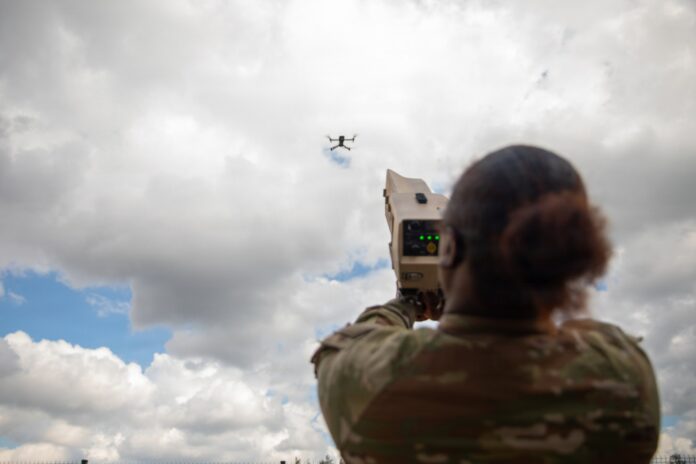
Iran has also extended its operations to the Strait of Hormuz itself. The IRGC has claimed that no US surveillance technology can evade its monitoring systems in the waterway, following the downing of a US MQ-1 drone over the Strait earlier this week, a pattern of escalation that now spans both the underwater and surface dimensions of the conflict.
US lawmakers from both parties have begun pressing the Pentagon for clearer rules of engagement governing tanker strikes, particularly around the burden of evidence required before designating a commercial vessel as an IRGC-affiliated target. The Pentagon has not responded publicly to those requests, and the administration has not indicated whether a legal review of the strikes is underway.
Whether the campaign is succeeding as an economic pressure tool or simply hardening Iranian resolve is a question that neither government is answering directly. The Sunday strike, whoever authorized it, added another data point to a pattern that shows no sign of stopping.