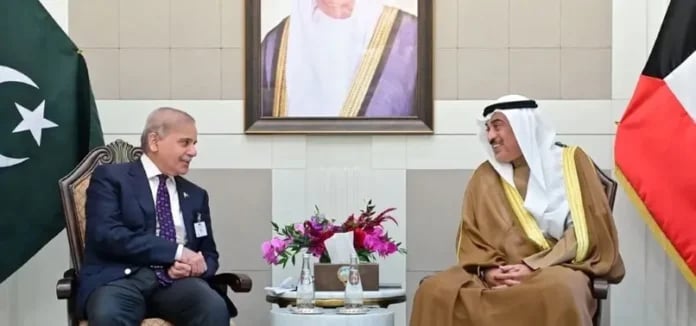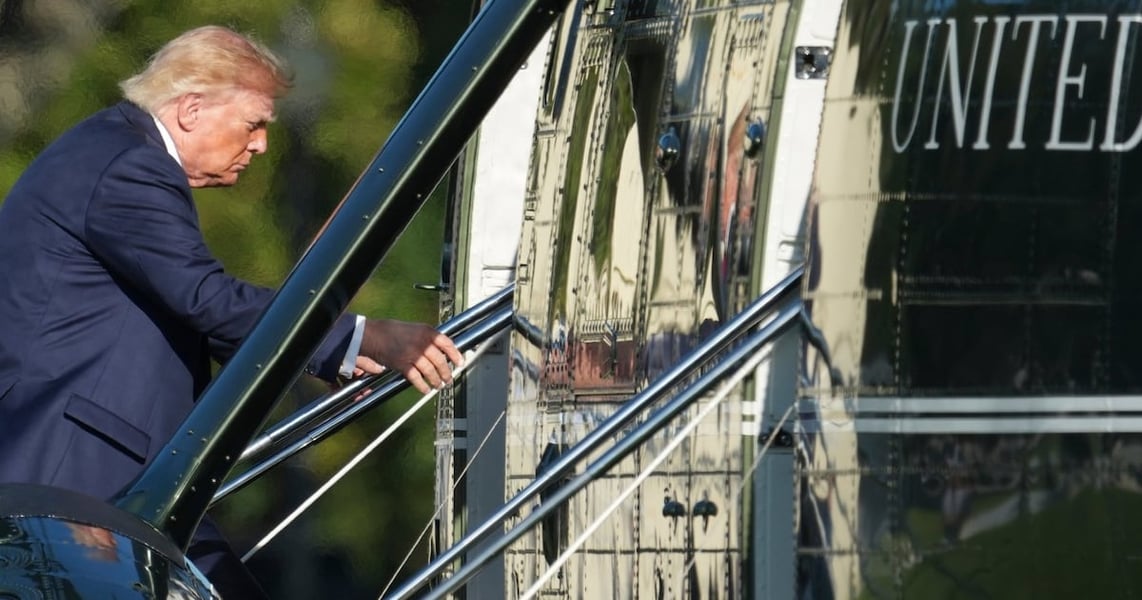

STRASBOURG — The category does not exist in the European Union’s treaties. No formal criteria have been set, no timeline has been given, and the bloc spent months this year resisting the same concept when Germany proposed it for Ukraine. On Wednesday, Ursula von der Leyen offered it to Canada anyway, and on Thursday Mark Carney flew to Strasbourg to say yes.
Canada is now the first country formally proposed as an EU “associate member,” a designation that von der Leyen announced in her State of the Union address as a way to “move from CETA to an alliance for the future, to create a common prosperity and economic security space.” What that phrase means in legal terms, and how a status not recognized by the bloc’s founding treaties would actually function, she did not say.
Carney’s address to the European Parliament, the second time a sitting Canadian prime minister has addressed the chamber, was careful to frame the offer not as a pivot away from the United States but as an assertion of sovereignty in a world where Washington has shown it cannot be counted on. “I’m not proposing a third bloc in order to become a great-power rival only with better manners,” Carney said. “We do not seek power to dominate others. On the contrary, we are pursuing resilience so no one can control our open markets, impair our sovereignty, threaten our territorial integrity, or undermine our freedoms, our democracies, our rule of law.”
The careful phrasing was also a response to an audience that was not in Strasbourg. Donald Trump, who has threatened to make Canada the 51st state and imposed significant tariffs on Canadian exports, called the proposal a potential “hostile act” within hours of the speech, CTV News reported. He said he would “put very serious tariffs or stop trading with Europe on many things” if he concluded the associate membership arrangement was directed against the United States. The Commission answered Trump indirectly, telling reporters that “associate membership for Canada is not against anyone.”
That Canada would be the first country to receive this offer, rather than Ukraine, whose EU membership candidacy has been formally recognized for years, reflects something about the political logic driving the proposal. The EU has historically been reluctant to create flexible membership tiers that might dilute the accession pathway or complicate the bloc’s internal governance. When Germany’s Chancellor Friedrich Merz floated the associate membership concept for Ukraine earlier this year, Brussels was cool to it. The shift toward Canada, a wealthy G7 country outside the immediate conflict zone, appears to have removed the political complications that made the concept unwieldy when applied to a country actively at war on Europe’s border.
The six areas of deeper integration outlined by Carney and von der Leyen span trade, defence, critical minerals, artificial intelligence, energy, and space, along with research, advanced manufacturing, cybersecurity, and financial services. The breadth is deliberate: the arrangement is designed to reduce mutual vulnerability to external economic pressure rather than to replicate what full EU membership provides. Canada would not join the single market, participate in EU institutions, or adopt the euro. What it would do within those sectors is the negotiation that has not yet started.
Carney told EU lawmakers that the enhanced partnership will go to debate and a vote in the Canadian Parliament, a step his office outlined in a formal readout of the Strasbourg visit. That step is not merely procedural. Pierre Poilievre and the Conservative opposition have already condemned the proposal as a threat to Canadian sovereignty in a different direction. The same week that Canada’s prime minister addressed the European Parliament, the country’s main opposition leader accused him of trying to replace one dependence with another.
What the associate membership offer cannot yet provide is certainty. Von der Leyen’s State of the Union was a political declaration, not a legal proposal. No EU treaty provision exists for this category. Any formal arrangement will require agreement among all 27 member states, a process that has no fixed timeline and several potential veto points. Trump’s tariff threat injects a further uncertainty: European governments watching Washington will have to weigh whether proceeding with Canada’s integration is worth escalating the transatlantic trade confrontation they have been trying to manage since 2025.
What Carney said in Strasbourg, that Canada and Europe “aren’t fair-weather allies,” was partly a promise and partly a diagnosis. The weather across the Atlantic has changed significantly in the two years since he came to power. Whether that change is permanent enough to justify restructuring two countries’ most fundamental economic relationships is the question neither Strasbourg nor Ottawa has yet answered.