
DOHA — A formal communication now sits with officials in Washington, delivered through Qatar’s foreign ministry sometime before Saturday, laying out seven conditions under which Iran says it would agree to end the war with the United States. Three of those conditions have been made public. Four have not. And as of Saturday evening, when Donald Trump cut short his Camp David stay and returned to the White House, nobody in his administration had said a word about any of them.
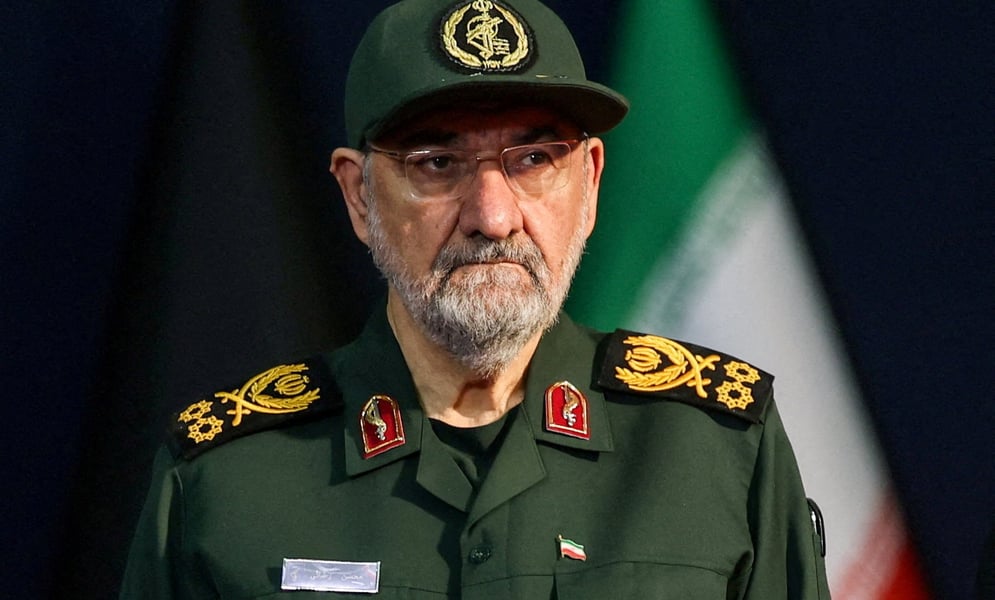
Mohsen Rezaei, secretary of Iran’s Supreme National Security Council, made the submission public in an exclusive interview with Al Jazeera‘s Tehran bureau chief on Saturday. It was the clearest formal diplomatic signal Tehran had sent since the June memorandum of understanding, the 14-point framework signed between Trump and Iranian President Masoud Pezeshkian in Islamabad, expired last month without a successor agreement.
“We are in contact with the Qatari intermediary who conveyed our conditions to Washington to end the war,” Rezaei said, “and we are awaiting a response from President Trump.”
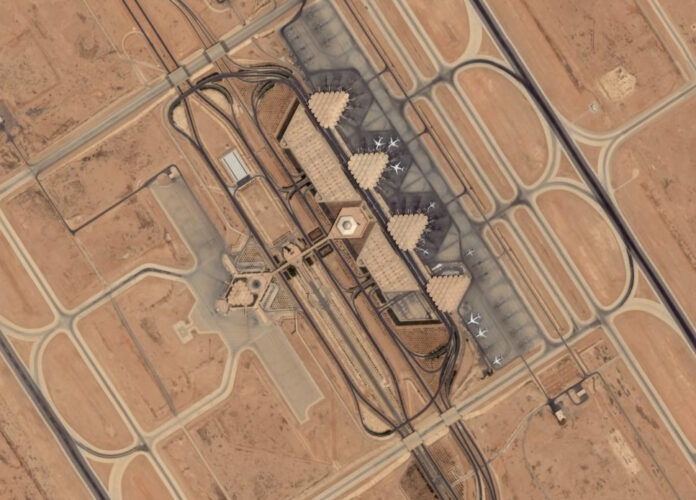
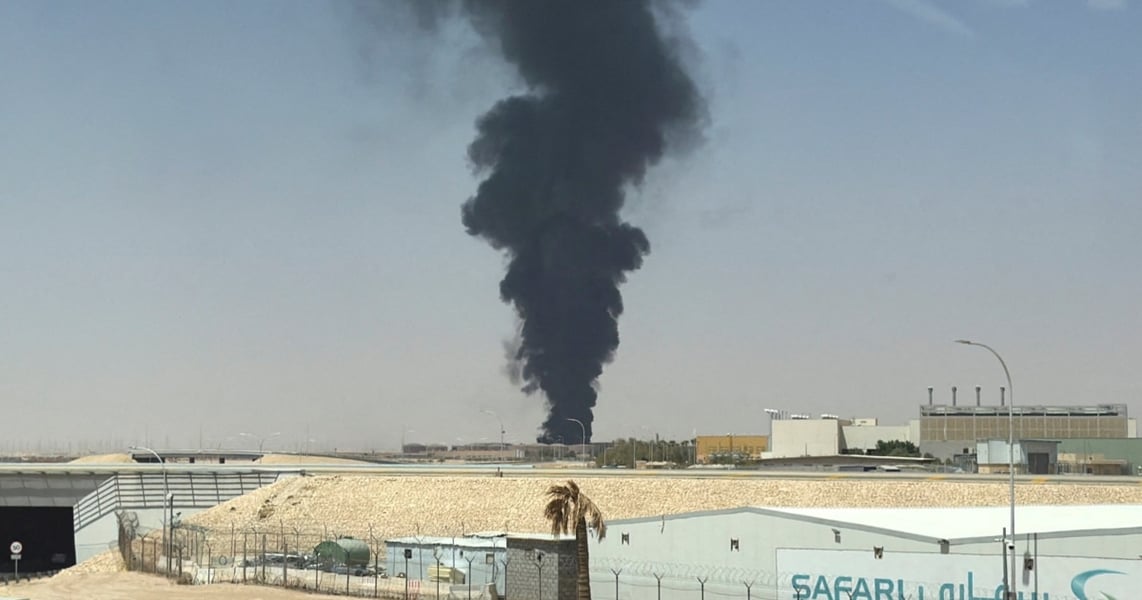
The three conditions Rezaei disclosed are direct and structurally interconnected: an end to the war on all fronts, the release of Iranian funds and assets frozen under American sanctions, and the lifting of the US naval blockade of Iranian ports and the Persian Gulf. Each condition is also a diagnosis of what Iran considers the war’s core injury. The naval blockade has kept Iranian crude exports at near-zero since March. The frozen assets, estimated in the tens of billions of dollars though Tehran and Washington dispute the exact figure, represent the accumulated financial cost of decades of American pressure. Ending the war on all fronts binds in the Houthis, whose campaign extended to striking Riyadh’s airport fuel depot for the first time this weekend, underscoring the conflict’s multiple active fronts.
What Iran withheld may be as important as what it disclosed. Rezaei confirmed that Tehran has seven conditions in total but declined to identify the remaining four, saying only that Washington would have to accept Iran’s “rights and conditions” in full for the fighting to stop.
Leaving those demands unspecified gives Tehran negotiating flexibility. It can introduce, withdraw, or redefine them as talks progress—if negotiations take place at all.
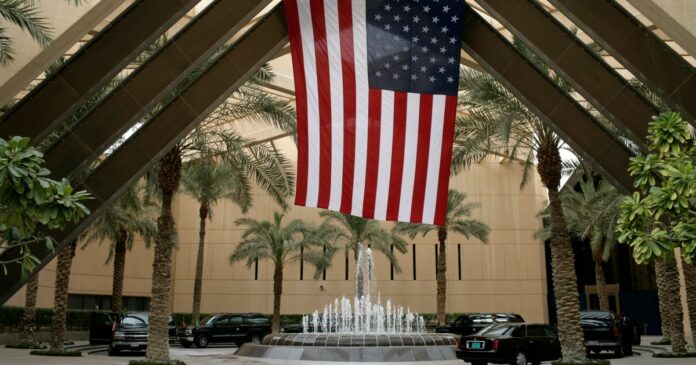
Iran delivered its proposal through Qatar, an obvious but complicated choice. Doha has served for years as a back-channel intermediary between Tehran and Washington, including during the period leading to the June Islamabad memorandum of understanding.
Qatar’s renewed role is notable given what it has endured to preserve that channel. In March 2026, Iranian missiles struck the Ras Laffan LNG complex, a facility central to Qatar’s position as one of the world’s largest natural-gas exporters, causing substantial damage. Doha expelled Iran’s military attachés but later resumed its mediating role.
The decision reflects Qatar’s calculation that the economic cost of a prolonged war outweighs the political cost of restoring contact with the government that attacked its infrastructure.
Pakistan is running a parallel channel. Islamabad has maintained open lines to both Tehran and Washington since the conflict began, framing its role as humanitarian necessity rather than partisan intervention. Whether the conditions Pakistan has relayed match exactly those submitted through Doha is not publicly known, and neither Islamabad nor Doha has confirmed which version of Iran’s demands is closer to the full list of seven.
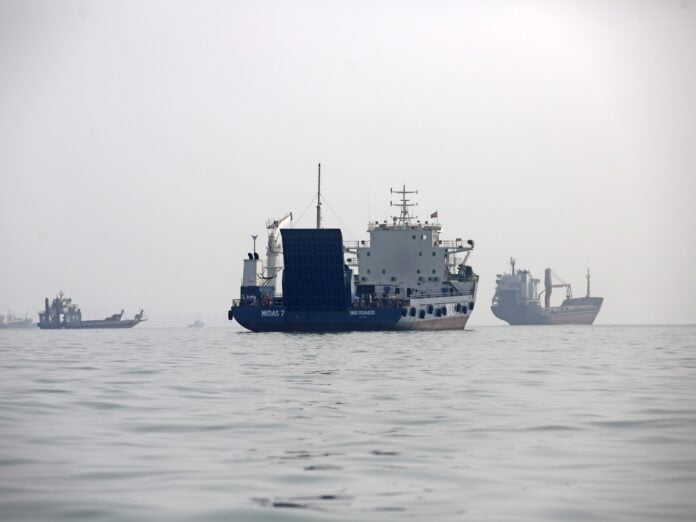
The global shipping displacement caused by the simultaneous closure of Hormuz and Bab al-Mandab has now reached a scale that is no longer manageable by rerouting. The economic pressure flows through every capital that has a stake in the war’s outcome. China has already stepped in to back the Iran-Oman Hormuz framework, with Wang Yi urging a new Gulf security architecture after Iranian Foreign Minister Araghchi’s Beijing visit; Beijing’s backing gives Iran’s current submission a geopolitical weight it would not carry in isolation.
Rezaei made no effort to soften the alternative to agreement. “We are prepared for a decisive war,” he said, if Washington rejects Iran’s terms. Placed inside a formal submission of conditions conveyed through a diplomatic channel, the warning is not a statement to a domestic audience. It is what Iran is saying to Washington through every available medium simultaneously, including the medium the White House has conspicuously chosen not to answer.
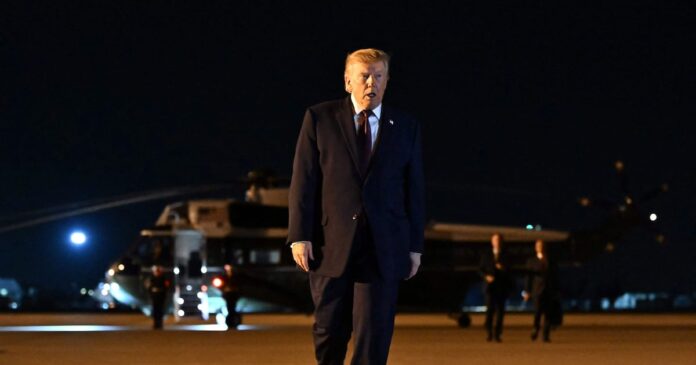
Trump’s Saturday return to the White House from Camp David generated speculation in diplomatic circles about whether the schedule change was linked to the Iranian submission. The White House offered no explanation. A spokesperson declined to comment on Iran’s conditions. The State Department issued no statement. If Trump has read the document, his administration has given no indication.
What Iran has accomplished with this interview is to create a diplomatic record. If Trump rejects the conditions, Tehran can demonstrate it proposed terms. If Trump ignores them, Tehran can demonstrate it waited. The seven conditions, even with four undisclosed, function as an anchor: Iran now holds a stated position it cannot easily retreat from, and Washington faces the question of whether any response serves its interests better than continued silence.
Rezaei chose to give this interview to Al Jazeera, not to Iranian state television. Al Jazeera reaches Washington, London, Riyadh, and Beijing simultaneously. The interview’s intended audience is every government that has a stake in what happens next in the Gulf, beginning with the one that has not yet responded to the document it has now received.