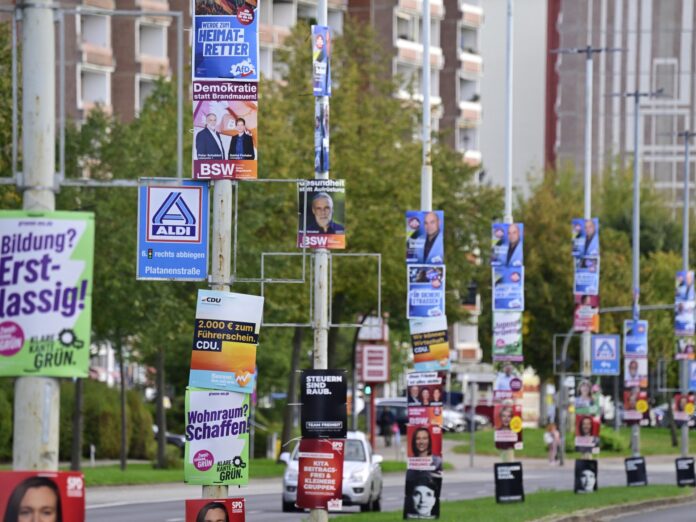

BERLIN — The CDU won 4.9% in Mecklenburg–Western Pomerania on Sunday, falling 0.1 percentage points short of the threshold for entering the state parliament.
The result marked the first time since World War II that Germany’s oldest democratic party has been excluded from a state legislature. Friedrich Merz was left to explain why the party that governed West Germany for much of the postwar era had been shut out of an eastern state assembly.
The outcome underscored the erosion of Germany’s political center. The CDU occupied that center—and was squeezed out as voters moved toward more polarized alternatives.
“We cannot sugar coat the result in Mecklenburg-Vorpommern,” Merz said in Berlin after the results were confirmed. “It is a disaster. The CDU fought hard, but in the end it was the very CDU that got crushed in the polarisation between the SPD and the AfD.”
The Alternative for Germany won the state with 38.2 percent, taking 32 of the legislature’s seats. The Social Democrats finished second with 35.5 percent. Between these two poles, every other party — the CDU, the Greens, the Left Party — was squeezed into the margins or off the ballot entirely.
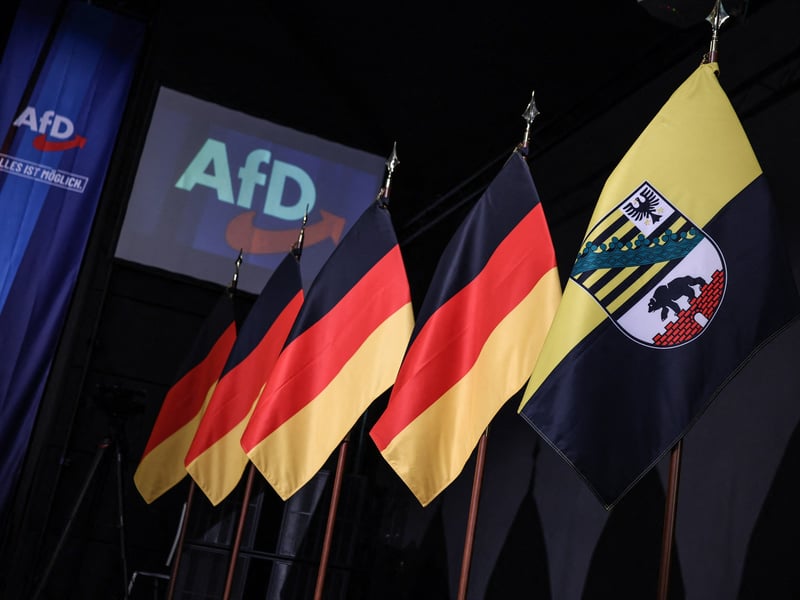
What Merz did not say, though the silence was loud enough: the AfD’s win in Mecklenburg is not an isolated event. Three weeks ago, in Saxony-Anhalt, the party delivered a similar result. The pattern now has a rhythm. Germany’s east is not drifting toward the radical right — it has already arrived.
AfD co-leader Alice Weidel was precise in how she read the night. “We are the strongest force and have reached the mainstream of the population,” she said. “We have displaced the CDU as the people’s party.” Then, with the formal courtesy German politicians use when they want to say something irreversible: she called on Merz to “draw conclusions.” In Berlin, that phrase means resign.
The state elections in Mecklenburg and Berlin were always going to test the limits of what Merz could contain. The chancellor entered the year having promised to reform Germany’s economy, tighten migration, and restore CDU credibility in the east. By mid-summer, polling showed 85 percent of Germans disapproved of him as Chancellor. Sunday’s results are, in that context, less a surprise than a confirmation.
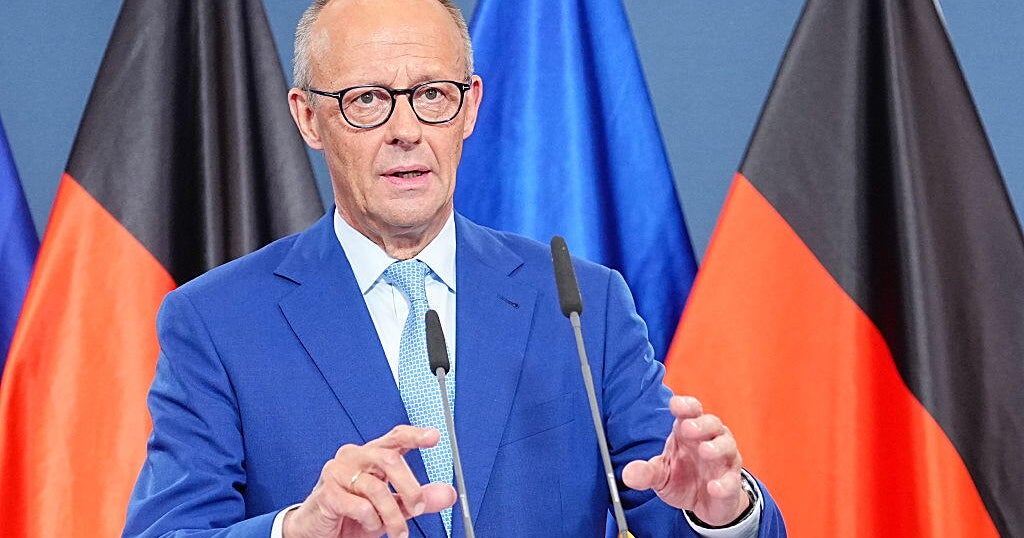
Two states, two elections, two different winners — and yet the story they tell together is the same one. The political centre that Germany’s postwar order was built upon is being excavated simultaneously from the right and the left. The parties that held it — the CDU above all, but also the SPD and the Greens in different ways — are being forced toward the edges or off the map.
Mecklenburg-Vorpommern was always CDU’s historic risks going into this election, having trended sharply toward the AfD through three successive cycles. But falling below five percent — erased entirely — was a scenario that most within the party refused to contemplate publicly. The CDU now must negotiate a government in which it has no seats, no leverage, and no platform.
The expected coalition in Schwerin will be formed by the SPD, the Left Party, and the Greens — the so-called Brandmauer, or firewall, that Germany’s mainstream parties have maintained against any governing coalition that includes the AfD. It holds for now. But the mathematics grow more difficult with every election. When the strongest party in a state has 38 percent and is excluded from every coalition by formal agreement, that agreement is borrowing time.
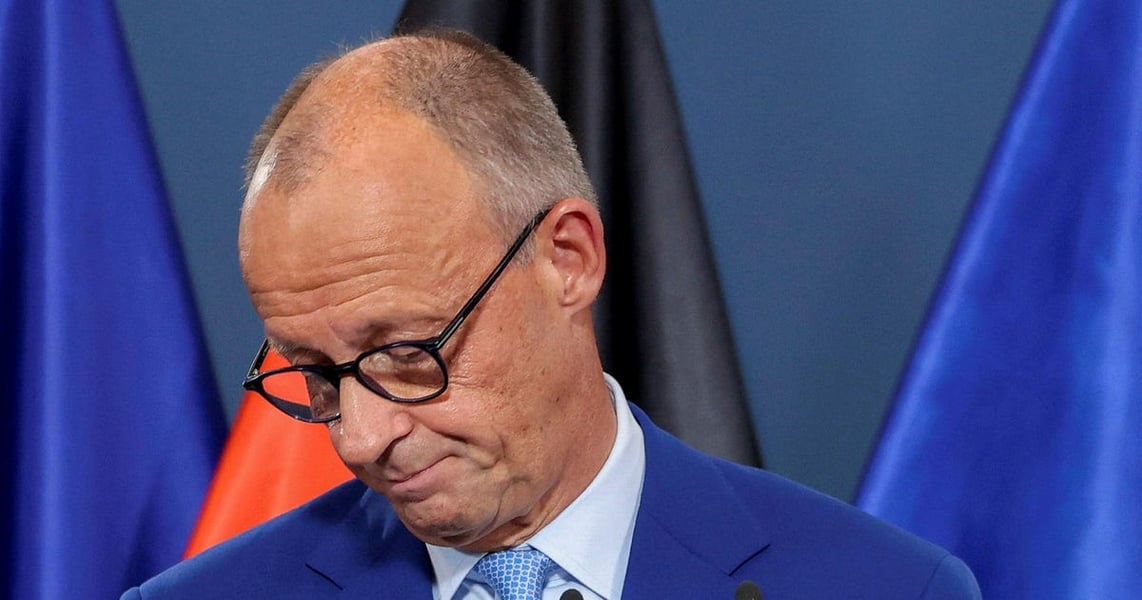
What Friedrich Merz will do with Weidel’s demand to draw conclusions is the question German politics will spend the coming week answering. What is already clear is that he cannot answer it with the results from Mecklenburg at his back. Whether he can answer it at all is something Merz’s own European agenda was already making difficult to believe.