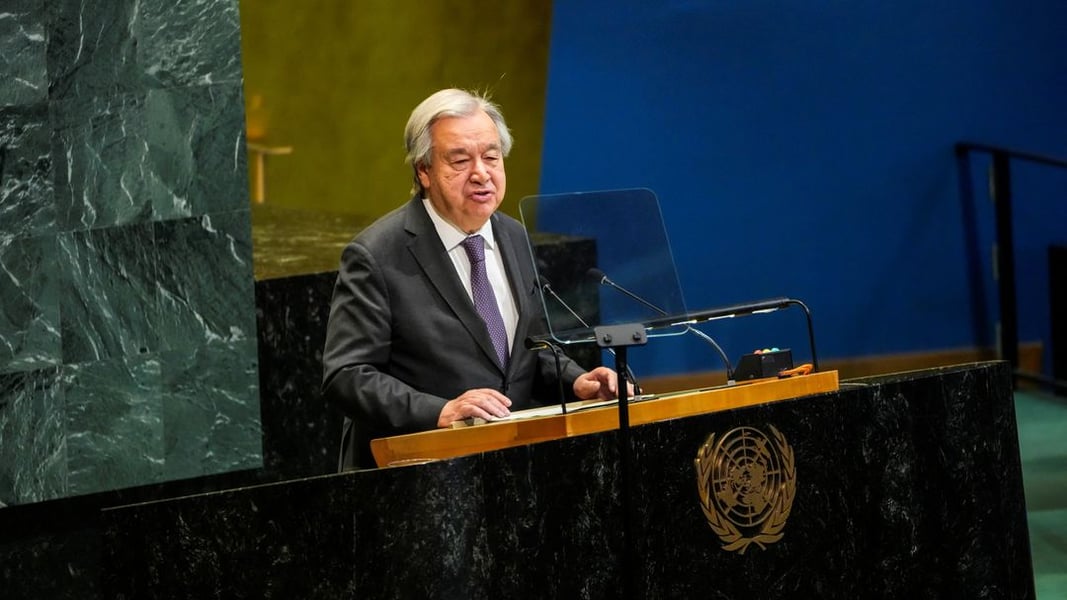

NEW YORK — The four politicians who convened Monday at the United Nations headquarters had different accents, different continents behind them, and different domestic crises waiting at home. What they agreed on, before the cameras and the formal communiqué, was that the system was failing, and that nobody with the power to fix it was going to fix it for them.
EU Council President António Costa launched the Partners for Multilateralism alongside Canadian Prime Minister Mark Carney, Kenyan President William Ruto, and Brazilian President Luiz Inácio Lula da Silva on the opening day of the UN General Assembly’s High-Level Week. India’s External Affairs Minister S. Jaishankar attended. Together, they announced a flexible, open coalition, not a treaty organisation or a rival to the United Nations, but a standing commitment to defend and reform the international architecture that the past decade has been hollowing out.
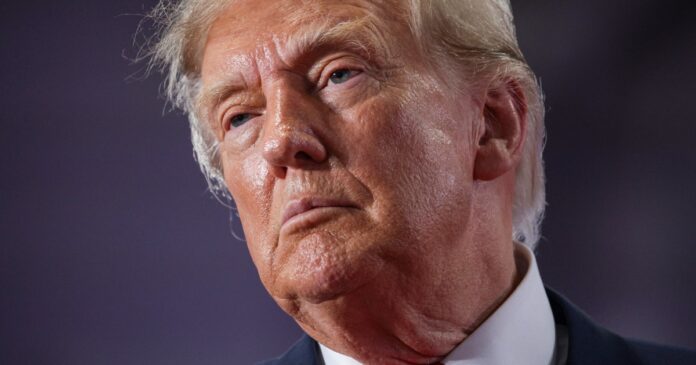
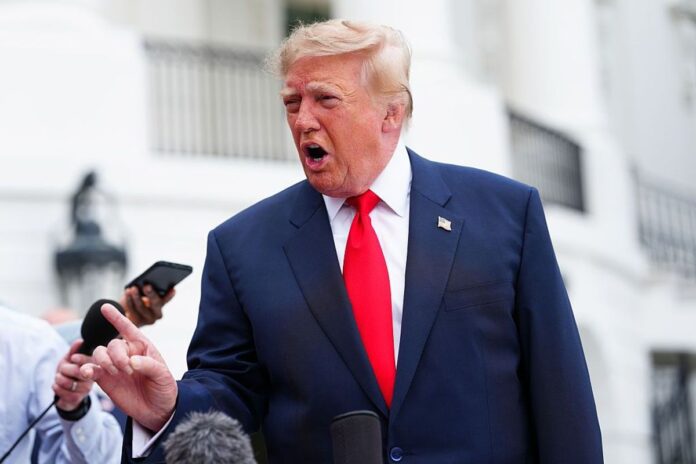
The timing was deliberate. Donald Trump is scheduled to address the same General Assembly on Tuesday.
“Rebuilding trust in the multilateral system is the defining challenge of our time,” UN Secretary-General António Guterres told the gathering. The four leaders offered a sharper formulation. Multilateralism, their joint statement read, was “not an act of idealism, but a practical necessity,” according to the EU Council.
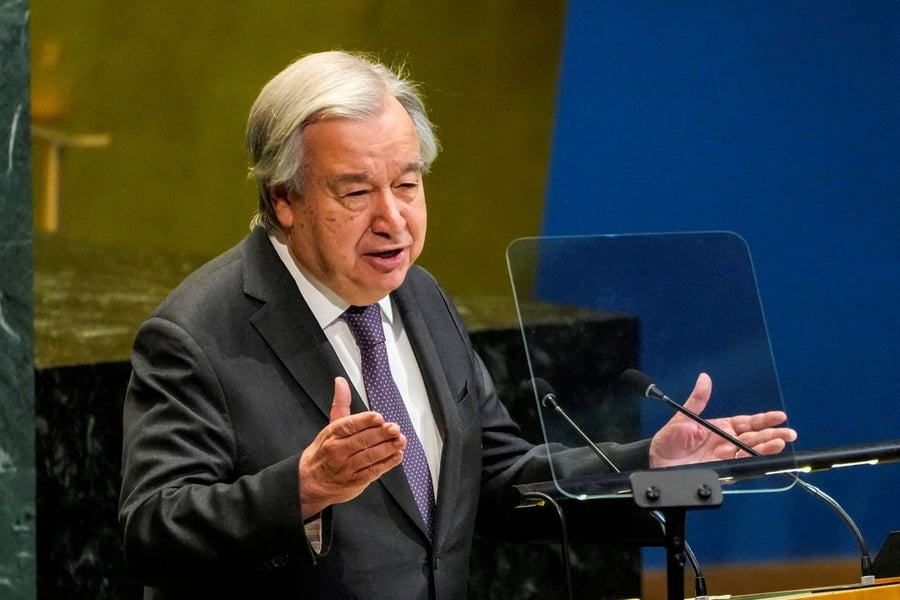
Under the Trump administration, the United States has reduced funding for several UN agencies, withdrawn from implementation processes linked to the Paris climate framework, and approached UN General Assembly meetings with open hostility toward the multilateral consensus it once helped build.
That retreat has created an institutional vacuum. The central question is who will fill it.
Canadian Prime Minister Mark Carney, whose career included leadership at the Bank of Canada, the Bank of England, and the Financial Stability Board, described P4M as distinct from earlier coalitions:
“It is not another exclusive bloc or international bureaucracy. It is a commitment to act together on the things that cannot be done alone.”
For Canada, that framing also has domestic significance. Ottawa has been managing a rupture with Washington that began with Trump’s second-term tariff policies and disputes over Canada’s sovereignty in shaping its own trade relationships.
For Brazil and Kenya, the summit represented something else: a platform at the centre of global governance that they have not traditionally occupied. Lula has spent his third term arguing that the Global South deserves a structural role in the institutions that govern it, not as charity recipients but as co-architects. Ruto has made a similar case on climate finance, where African nations bear the consequences of emissions they largely did not produce.

Security Council reform has been debated for thirty years without resolution. The five permanent members, including the United States and Russia, have blocked every serious proposal. The P4M does not have a vote on that. What it does have is a coalition spanning four continents that includes several of the most credible candidates for expanded permanent membership. India, which attended the summit but is not yet formally listed as a founding member, has been among the most vocal advocates for restructuring the Security Council. Jaishankar’s presence was its own signal.
On artificial intelligence, the summit arrives three days after Sam Altman appeared before the Security Council to argue that AI governance requires the kind of international coordination that only states can provide. The P4M’s AI plank offers no specific mechanism, but it put a formal multilateral anchor on the question at precisely the moment the race for AI dominance is straining the old consensuses around technology norms.
There is also the question of what “partners for multilateralism” means for states with their own conflicting interests. Canada and the EU disagree on agriculture. Brazil and the EU have disputed the Mercosur trade deal for years. Kenya and India compete for investment in East Africa. A commitment to multilateralism as a principle does not resolve any of that.
What it does, perhaps, is establish a counterweight. Not a rival order (nobody at the summit was claiming to replace the United Nations), but a reference group of states willing to say publicly that the system is worth defending, that institutions can be reformed rather than abandoned, and that the answer to an American president who governs by withdrawal is not to meet withdrawal with withdrawal.
Whether that commitment survives its first test is the question Monday’s ceremony did not answer. Whether any of the five agenda items produces a concrete mechanism, whether the membership expands or stalls, whether the declaration holds when national interests collide: the P4M has announced itself, but it has not yet done anything.
Guterres, who will leave his post as secretary-general at the end of this year, called rebuilding the multilateral system the defining challenge of our time. He did not say who was going to meet it.